How Much Does It Cost to Build a Bear Workshop? Regional Guide
Discover how much it costs to build a bear workshop across different regions. Breakdown of bear-proofing, reinforced doors, and insulation costs.

Defining the 'Bear Workshop': Construction in Ursine Territories
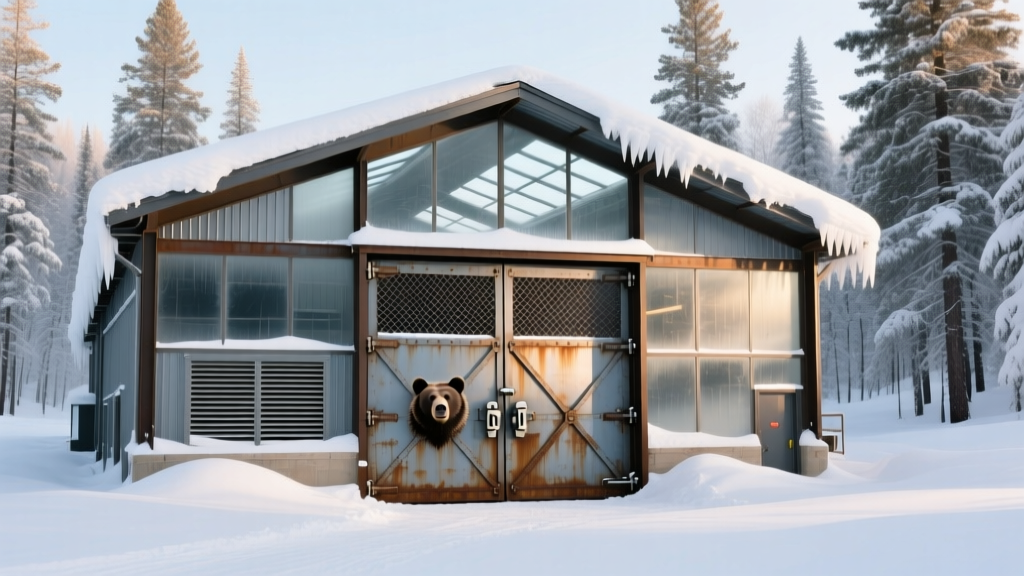
When contractors and property owners ask how much does it cost to build a bear workshop, they are rarely referring to a retail space for stuffed animals. In the construction industry, a 'bear workshop' refers to a heavy-duty, wildlife-resistant outbuilding, commercial shop, or equipment barn located in high-density bear habitats—primarily across Alaska, Montana, Wyoming, British Columbia, and parts of the Northeast. These structures require specialized engineering to prevent wildlife intrusion, protect expensive machinery, and secure food or chemical attractants.
Bears possess immense physical strength and an olfactory sense roughly 2,100 times better than a human's. A standard pole barn with vinyl siding, standard garage doors, and unsecured ridge vents will fail catastrophically in bear country. Building a true bear-resistant workshop requires integrating Interagency Grizzly Bear Committee (IGBC) principles into the architectural envelope. As of 2026, the cost to build these specialized structures varies wildly based on regional labor rates, material transport logistics, and local wildlife codes.
Regional Price Matrix: How Much Does It Cost to Build a Bear Workshop?
The baseline cost for a standard 1,200-square-foot workshop ranges from $35 to $55 per square foot. However, upgrading to a bear-resistant specification adds a significant premium. Below is a regional breakdown of estimated costs for a fully secured 1,200 sq. ft. bear workshop in 2026.
| Region | Base Shell Cost (per sq. ft.) | Bear-Proofing Premium | Total Estimated Cost (1,200 sq. ft.) |
|---|---|---|---|
| Anchorage / Fairbanks, AK | $65 - $85 | +$28 / sq. ft. | $111,600 - $135,600 |
| Bozeman / Missoula, MT | $45 - $60 | +$22 / sq. ft. | $80,400 - $98,400 |
| Jackson Hole / Cody, WY | $55 - $75 | +$25 / sq. ft. | $96,000 - $120,000 |
| Adirondacks / Upstate NY | $40 - $55 | +$18 / sq. ft. | $69,600 - $87,600 |
Note: Alaska commands the highest premium due to extreme insulation requirements (R-40+ walls), remote material mobilization, and the prevalence of larger, more aggressive coastal brown bears requiring heavier gauge steel reinforcements.
Core Bear-Resistant Building Components
To understand where the budget goes, you must break down the specific architectural upgrades required to deter a 600-pound grizzly or black bear.
IGBC-Certified Doors and Hardware
Standard residential overhead garage doors are the most common failure point in wildlife intrusions. Bears can easily puncture uninsulated aluminum panels and rip standard tracks from the framing. A bear workshop requires either commercial-grade rolling steel doors (minimum 20-gauge interlocking slats) or IGBC-certified heavy timber/steel swing doors. Expect to pay between $3,200 and $5,500 per reinforced overhead door, including heavy-duty interior slide bolts and exterior hasps designed to withstand 5,000 lbs of prying force.
Shatterproof Glazing and 14-Gauge Window Grates
If your workshop requires natural light, standard double-pane vinyl windows are insufficient. You must specify polycarbonate glazing (such as 1/2-inch Lexan Thermoclear) or install exterior 14-gauge welded steel grates. Custom-fabricated steel grates typically cost $450 to $800 per window opening, depending on the span and anchoring requirements. These must be through-bolted into the structural framing, not just the window trim.
Scent-Baffled HVAC and Ventilation
Bears are attracted to the smell of motor oil, grease, coolants, and food stored in workshop refrigerators. Standard soffit and ridge vents allow scent to escape and provide a physical entry point for claws. Bear workshops utilize scent-baffled intake vents with 1/2-inch heavy steel mesh screens, and exhaust systems equipped with motorized dampers that seal completely when the shop is unoccupied. Budget an additional $2,500 to $4,000 for a secured, wildlife-proof HVAC and ventilation setup.
Critical Warning: The 'Smell' Factor in Siting
According to the National Park Service Bear Safety Guidelines, structural integrity is only half the battle. If you store pet food, automotive grease, or beverages inside the workshop, the scent will draw continuous investigation. Always site your workshop downwind from primary cabin or home living areas, and never store organic attractants inside a building that lacks commercial-grade climate and scent sealing.
Labor and Logistics in Remote Ursine Habitats
When estimating how much it costs to build a bear workshop, regional labor availability is a massive variable. In areas like the Greater Yellowstone Ecosystem or remote Alaskan boroughs, specialized contractors who understand wildlife-resistant building codes are scarce.
- Mobilization Fees: Expect a 10% to 15% mobilization premium for bringing heavy equipment and specialized steel fabricators to remote mountain or forest sites.
- Per Diem and Travel: If local labor is unavailable, crews must be housed on-site or in nearby towns, adding $150 to $250 per day, per worker, to the overhead.
- Freight Surcharges: Transporting heavy structural steel and IGBC-certified doors to regions like Fairbanks or Jackson Hole incurs significant LTL (Less Than Truckload) freight surcharges, often adding $8,000 to $12,000 to the material budget.
Decision Framework: Pole Barn vs. Steel Frame vs. ICF
Choosing the right structural system dictates both your baseline budget and your bear-proofing premium. Here is how the three primary building methods compare for wildlife resistance.
1. Post-Frame (Pole Barn)
- Pros: Lowest initial cost; fast erection; wide-open interior spans for heavy machinery.
- Cons: Wood siding and standard metal cladding are easily compromised by bear claws and leverage. Requires extensive secondary reinforcement.
- Bear-Proofing Difficulty: High. Requires upgrading the entire lower 8 feet of the exterior to heavy-gauge steel or concrete wainscoting.
2. Rigid Steel Frame (Red Iron)
- Pros: Immune to rot and structural chewing; highly resistant to prying forces when clad in 26-gauge or thicker steel panels.
- Cons: Higher material cost; requires specialized welding and bolting crews.
- Bear-Proofing Difficulty: Moderate. The frame is secure, but doors, windows, and roof vents still require specialized upgrades.
3. Insulated Concrete Forms (ICF)
- Pros: The ultimate bear-resistant shell. Solid reinforced concrete walls cannot be breached, scratched, or pried open. Superior thermal insulation for harsh winters.
- Cons: Highest upfront cost; difficult to run new electrical or plumbing lines after the pour.
- Bear-Proofing Difficulty: Low. The walls are inherently impenetrable; you only need to focus budget on securing the entryways and roofline.
Expert Insight: The IGBC Certification Factor
The Interagency Grizzly Bear Committee (IGBC) maintains a strict registry of bear-resistant products. While they primarily test coolers, trash enclosures, and feed storage, their testing protocols for structural hinges, latches, and door materials are the gold standard for workshop builders. Always specify hardware that meets or exceeds IGBC prying and impact test parameters to ensure compliance with local county wildlife ordinances.
Frequently Overlooked Cost Drivers
Budget overruns on bear workshops rarely happen because of the main structure; they happen because of the ancillary site requirements mandated by local wildlife authorities.
- Bear-Proof Trash and Scrap Enclosures ($3,500 - $6,000): Most counties in bear country legally require commercial-grade, front-load bear-proof dumpsters or heavy steel enclosures for any workshop generating waste. Standard chain-link fences are illegal and ineffective.
- Perimeter Security and Deterrent Lighting ($1,500 - $3,000): Motion-activated, high-lumen LED arrays paired with ultrasonic deterrents are highly recommended to keep curious bears from investigating the building perimeter at night.
- Heavy-Duty Foundation Piers ($4,000 - $7,000 premium): In regions with deep frost lines and high wildlife traffic, shallow slabs can heave and crack, creating entry gaps. Deep-drilled, reinforced concrete piers are required to maintain a flush, impenetrable sill plate.
Final Estimating Takeaways
Building a secure workshop in bear country is an exercise in defensive architecture. When calculating how much it costs to build a bear workshop, do not rely on standard national averages for agricultural or commercial outbuildings. You must allocate a minimum 25% to 35% premium over standard construction costs specifically for wildlife-resistant doors, reinforced glazing, scent-baffled ventilation, and remote-site logistics. Prioritizing an ICF or heavy steel structural envelope from the design phase will ultimately reduce the secondary bear-proofing costs and ensure your equipment remains safe from the region's most formidable inhabitants.
Written by
Sarah WhitfieldSarah Whitfield is a chartered quantity surveyor (MRICS) and construction cost analyst with 15 years of experience in material pricing, procurement strategy, and project budgeting. She earned her degree in Construction Management from the University of Reading (UK) and has worked on projects ranging from $2M custom homes to $180M mixed-use developments across North America and Europe. Sarah currently leads cost estimating for BuildMat Insight, maintaining a proprietary database of 4,000+ material price points updated quarterly. She is a frequent contributor to RSMeans cost data panels and has presented at the International Cost Engineering Council (ICEC) congress. Based in Denver, CO, Sarah is an avid trail runner and volunteer mentor for Women in Construction.
More from Sarah Whitfield
View all
Wood & Lumber
What Are the Different Types of Wood? A Builder's Guide
Compare structural softwoods, finish hardwoods, and engineered lumber. Analyze Janka ratings, MOE values, and 2026 pricing for construction.
Aug 4, 2026

Walls & Panels
Steel Framing vs Wood Framing: Corrosion and Moisture Defense
Compare steel framing vs wood framing for moisture resistance. Learn about galvanized coatings, condensation risks, and corrosion protection strategies.
Jul 21, 2026

Stone & Masonry
How to Cut Stone Veneer: Wet Saw vs Grinder Comparison
Compare the best tools for cutting stone veneer. We review wet saws, angle grinders, and chop saws to help you achieve clean, chip-free cuts.
Jul 21, 2026