Steel Framing vs Wood Framing: Corrosion and Moisture Defense
Compare steel framing vs wood framing for moisture resistance. Learn about galvanized coatings, condensation risks, and corrosion protection strategies.

For corrosion resistant structural framing in high-moisture and coastal environments, hot-dip galvanized cold-formed steel (CFS) with a G90 coating consistently outperforms pressure-treated lumber. While modern chemical treatments protect wood from biological decay, steel offers superior dimensional stability and zero moisture absorption. This guide is designed for structural engineers, architects, and general contractors evaluating material specifications for humid climates. We analyze the moisture defense mechanisms, lifecycle costs, and 2026 International Building Code (IBC) compliance requirements for both materials to help you specify the optimal framing system.
Key Takeaways
- Superior Moisture Defense: G90 galvanized cold-formed steel absorbs zero moisture, eliminating the swelling and warping inherent to wood.
- Biological Immunity: Steel framing is completely immune to termites, mold, and fungal decay, which require a 19% moisture content threshold to thrive in lumber.
- Coastal Code Compliance: The 2024 and 2026 International Building Code (IBC) updates mandate stricter corrosion resistance for structural elements within 1,500 feet of saltwater coastlines.
- Lifecycle Value: Despite a higher initial material cost, steel framing reduces long-term maintenance and insurance premiums in high-humidity zones.
Table of Contents
The Core Debate: Cold-Formed Steel vs. Pressure-Treated Wood
Corrosion resistant structural framing refers to load-bearing building skeletons engineered to withstand chemical degradation from water, salt, and humidity. This is achieved through metallic coatings on steel or chemical preservatives in wood, ensuring structural integrity in coastal or high-moisture environments without premature failure.
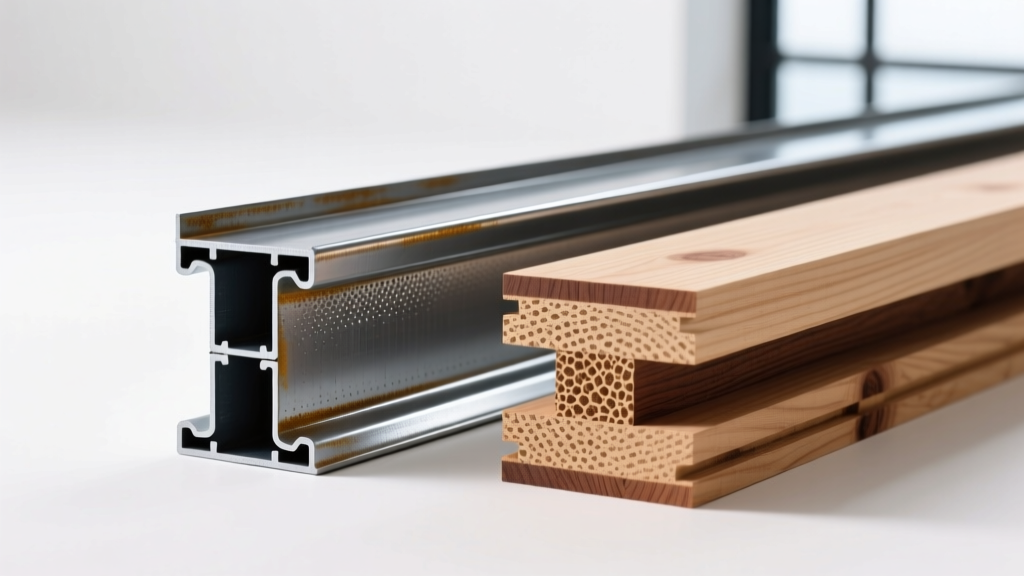
When specifying materials for humid or coastal projects, the choice traditionally narrows to cold-formed steel (CFS) and pressure-treated Southern Yellow Pine. Both materials offer distinct approaches to moisture management. Steel relies on physical barrier coatings to prevent oxidation, while wood relies on chemical saturation to prevent biological decomposition.
Evaluating Material Stability Under Wet Conditions
Wood is a hygroscopic material, meaning it naturally absorbs and releases moisture from the surrounding air. Even when treated, lumber can swell, shrink, and warp as ambient humidity fluctuates. Cold-formed steel remains dimensionally stable regardless of humidity levels, ensuring that drywall finishes and exterior cladding remain crack-free over the structure's lifespan.
Moisture Defense Mechanisms in Modern Framing
The longevity of any framing material in a wet environment depends entirely on its protective outer layer. Understanding the specific coatings and chemical treatments available in 2026 is critical for accurate specification.
Galvanized Steel Coatings: G60 vs. G90
Cold-formed steel is protected by a zinc coating applied through a continuous hot-dip process. The standard designation G90 indicates that there are 0.90 ounces of zinc per square foot of total surface area. According to the American Iron and Steel Institute, a G90 coating provides a sacrificial anode that protects the underlying steel even if the surface is scratched during installation.
For structures located within 1,500 feet of a saltwater coastline, specifying G90 is the minimum acceptable standard. In highly corrosive splash zones, engineers often supplement G90 steel with secondary powder-coated finishes to extend the 75-year design life of the structural frame.
Chemical Treatments in Lumber: MCA and ACQ
Modern pressure-treated lumber utilizes Micronized Copper Azole (MCA) or Alkaline Copper Quaternary (ACQ) preservatives. These chemicals are forced deep into the wood fibers under high pressure to deter fungal growth and termite infestation. The American Wood Council notes that these treatments are highly effective against biological threats, provided the wood's moisture content remains managed.
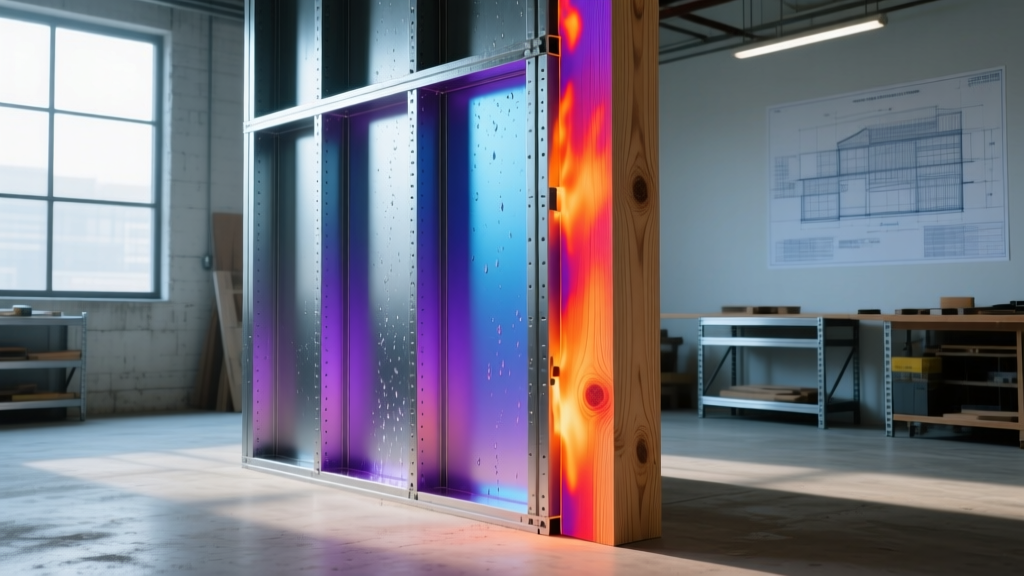
However, chemical treatments do not stop the physical absorption of water. If pressure-treated wood is exposed to continuous rain or high humidity before the building envelope is sealed, it will still absorb water, leading to potential fastener pop-outs and structural shifting as it dries.
Lifecycle Cost and Durability Comparison
Choosing between steel and wood requires looking beyond the initial purchase price. The decision matrix below outlines the critical performance metrics for both materials in high-moisture applications.
| Performance Metric | G90 Cold-Formed Steel | MCA Pressure-Treated Wood |
|---|---|---|
| Moisture Absorption | 0% (Non-hygroscopic) | Up to 19% before decay risk |
| Dimensional Stability | 100% (No warping or twisting) | Variable (Prone to swelling/shrinking) |
| Pest Resistance | Immune to termites and rodents | Resistant (Depends on chemical retention) |
| Salt Spray Tolerance | Passes 1,000-hour salt spray test | Not applicable (Wood does not rust) |
| Material Cost Premium | +$1.85 per square foot vs standard wood | +$0.65 per square foot vs standard wood |
| Fastener Compatibility | Requires zinc-flashed or stainless screws | Requires hot-dip galvanized or stainless nails |
While G90 cold-formed steel carries a higher upfront material cost, the elimination of moisture-related callbacks and structural adjustments often results in a lower total cost of ownership for custom residential and commercial projects in coastal regions.
Building Code Requirements for High-Moisture Zones
Compliance with local and international building codes is non-negotiable for structural framing in corrosive environments. The International Code Council periodically updates its guidelines to address the increasing frequency of severe weather events and coastal flooding.
International Building Code (IBC) Corrosion Zones
The IBC classifies coastal areas into specific corrosion severity zones. In Severe Corrosive Zones, structural steel framing must utilize heavy galvanized coatings or specialized epoxy barriers. Wood framing in these same zones must meet specific preservative retention levels, often requiring foundation-grade treated lumber even for above-grade wall assemblies.
Architects must verify the specific corrosion zone of the project site with the local Authority Having Jurisdiction (AHJ). Failing to specify the correct G90 coating thickness or the correct MCA chemical retention level can result in failed inspections and severe liability issues down the line.
Frequently Asked Questions
Does cold-formed steel rust in coastal areas?
Cold-formed steel can rust if the protective zinc coating is compromised and exposed to continuous salt spray. However, when properly specified with a G90 coating and protected by a continuous weather-resistive barrier, the steel will not rust, as the zinc acts as a sacrificial layer that oxidizes before the base steel is affected.
Is pressure-treated wood better than steel for moisture?
Pressure-treated wood is better at resisting biological moisture threats like mold and rot, but it is not better at resisting physical moisture absorption. Wood will still swell and warp when wet, whereas steel remains completely unaffected by ambient humidity and liquid water.
What is the best framing for coastal homes?
The best framing for coastal homes is G90 hot-dip galvanized cold-formed steel. It provides the highest level of dimensional stability, is immune to the biological decay common in humid coastal climates, and meets the strictest International Building Code requirements for severe corrosive zones.
Conclusion and Next Steps
Selecting the optimal corrosion resistant structural framing requires balancing upfront material costs against long-term durability and code compliance. While pressure-treated wood offers a familiar installation process and biological resistance, G90 galvanized cold-formed steel provides unmatched dimensional stability and zero moisture absorption, making it the superior choice for high-humidity and coastal construction.
To move forward with your next coastal or high-moisture project, request a G90 steel framing submittal package from your primary supplier and cross-reference the coating specifications with your local Authority Having Jurisdiction's corrosion zone maps.
Written by
Sarah WhitfieldSarah Whitfield is a chartered quantity surveyor (MRICS) and construction cost analyst with 15 years of experience in material pricing, procurement strategy, and project budgeting. She earned her degree in Construction Management from the University of Reading (UK) and has worked on projects ranging from $2M custom homes to $180M mixed-use developments across North America and Europe. Sarah currently leads cost estimating for BuildMat Insight, maintaining a proprietary database of 4,000+ material price points updated quarterly. She is a frequent contributor to RSMeans cost data panels and has presented at the International Cost Engineering Council (ICEC) congress. Based in Denver, CO, Sarah is an avid trail runner and volunteer mentor for Women in Construction.
More from Sarah Whitfield
View all
Wood & Lumber
What Are the Different Types of Wood? A Builder's Guide
Compare structural softwoods, finish hardwoods, and engineered lumber. Analyze Janka ratings, MOE values, and 2026 pricing for construction.
Aug 4, 2026

Stone & Masonry
How to Cut Stone Veneer: Wet Saw vs Grinder Comparison
Compare the best tools for cutting stone veneer. We review wet saws, angle grinders, and chop saws to help you achieve clean, chip-free cuts.
Jul 21, 2026

General Materials
Core Materials You Need to Build a House: An Application Guide
Discover the exact materials you need to build a house in 2026. This application guide covers structural, MEP, and finish specs with real costs.
Jul 3, 2026