How Much Does It Cost to Build a Pool in Florida? 2026 Breakdown
Discover the true cost to build a pool in Florida in 2026. Compare gunite, fiberglass, and vinyl prices, plus hidden water table and enclosure costs.

In 2026, the average cost to build an inground pool in Florida ranges from $55,000 to $85,000, with a statewide median of $68,500 for a standard 14x28 foot concrete pool. Pricing fluctuates based on material selection, soil composition, and local municipal permitting requirements. This cost breakdown is specifically designed for Florida homeowners and residential property investors evaluating backyard renovation budgets.
Key Takeaways
- Statewide Median: $68,500 for a 392-square-foot concrete pool.
- Cost per Square Foot: $150 to $225 depending on interior finishes.
- Timeline: 60 to 90 days from excavation to final inspection.
- Florida Premium: Screen enclosures add $8,000 to $15,000 to the total project cost.
Average Inground Pool Costs in Florida
According to the Pool & Hot Tub Alliance, regional labor rates and supply chain dynamics dictate baseline pricing. Florida's high demand for outdoor living spaces keeps contractor utilization rates high, stabilizing prices above the national average.
Material Comparison Matrix
| Pool Material | Average Cost Range | Installation Time | Expected Lifespan |
|---|---|---|---|
| Gunite (Concrete) | $60,000 - $95,000 | 60 - 90 days | 50+ years |
| Fiberglass Shell | $50,000 - $75,000 | 30 - 45 days | 25 - 30 years |
| Vinyl Liner | $40,000 - $60,000 | 45 - 60 days | 7 - 10 years (liner) |
Cost by Pool Size
Size directly impacts excavation, material, and water volume costs. A compact 10x20 foot plunge pool averages $42,000. A standard 14x28 foot family pool averages $68,500. Large 20x40 foot estate pools frequently exceed $110,000 due to required structural engineering and advanced filtration systems.
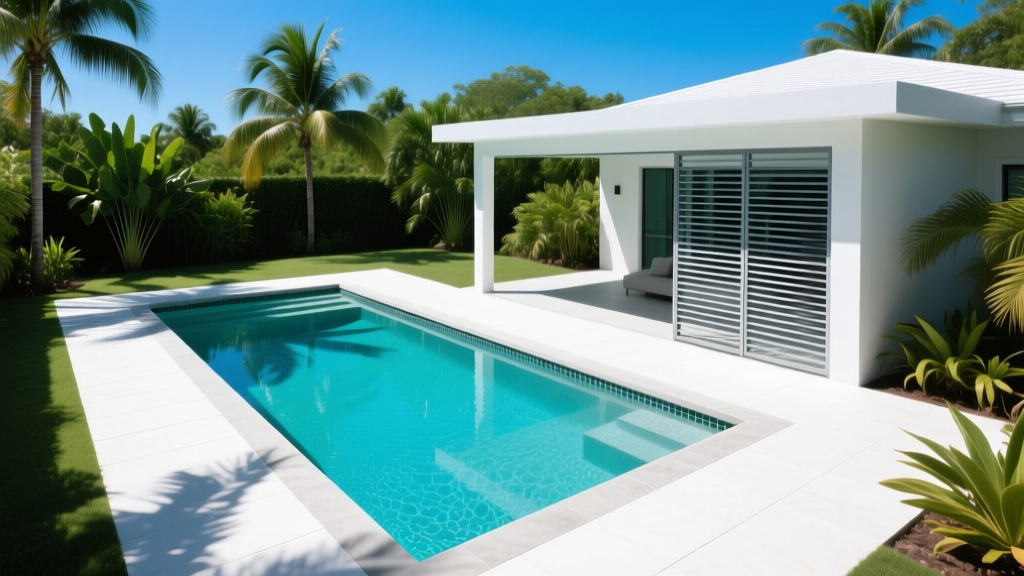
Gunite: A dry-mix sprayed concrete application used in pool construction. Contractors spray the mixture over a steel rebar framework, creating a highly durable, fully customizable shell that withstands Florida's shifting sandy soils.
Florida-Specific Construction Factors
Building in Florida requires adherence to strict environmental and structural codes. The Florida Building Commission mandates specific engineering standards to withstand extreme weather events and high water tables.
Screen Enclosures and Hurricane Codes
Most Florida municipalities require or strongly incentivize screen enclosures to reduce debris and insect exposure. A standard aluminum lanai screen enclosure costs between $8,000 and $15,000. These structures must be engineered to withstand wind loads up to 150 miles per hour in coastal hurricane zones.
Soil Conditions and Excavation
Florida's sandy soil and high water table complicate excavation. Contractors frequently encounter bedrock or require well-point dewatering systems during the digging phase. Dewatering and rock removal can add $3,500 to $7,000 to the initial excavation budget.
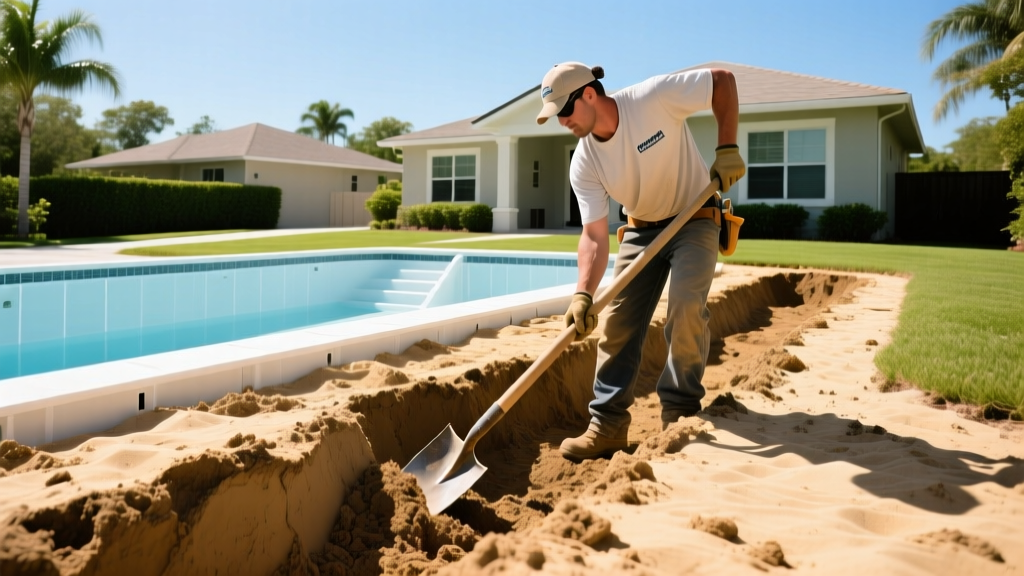
Lanai Screen Enclosure: A structural aluminum and mesh framework built over a patio or pool area. Florida building codes frequently mandate these structures to provide debris protection, shade, and a barrier against insects in subtropical climates.
Additional Features and Upgrades
Base pool construction rarely includes premium finishes or automation. Budgeting for upgrades ensures the final project meets modern efficiency standards.
- Variable Speed Pumps: $1,200 to $1,800. Required by Florida energy codes to reduce electrical consumption.
- Heat Pumps: $3,500 to $5,500. Extends the swimming season from March through November.
- Saltwater Chlorination: $1,500 to $2,500. Reduces manual chemical maintenance and provides a softer water feel.
- Travertine Decking: $18 to $25 per square foot. Stays cool under direct Florida sunlight compared to standard concrete.
Florida Pool Construction Cost Checklist
Use this framework to verify contractor bids and ensure no hidden costs derail your budget.
- Permitting & Impact Fees: Verify if the bid includes municipal permit fees (typically $500 to $1,200).
- Utility Relocation: Check for existing irrigation lines, septic tanks, or gas lines requiring relocation.
- Debris Hauling: Confirm that dirt removal and construction debris disposal are included in the excavation line item.
- Electrical Upgrades: Ensure the bid accounts for a dedicated 240-volt circuit run from the main panel to the pool equipment pad.
- Final Grading: Verify that post-construction yard regrading and basic landscaping restoration are documented.
Frequently Asked Questions
How much does a 12x24 pool cost in Florida?
A 12x24 foot inground pool (288 square feet) costs between $48,000 and $65,000 in Florida. The final price depends on whether you select a pre-manufactured fiberglass shell or a custom gunite structure with upgraded coping and tile.
Is it cheaper to build a pool in Florida than other states?
Florida pool construction costs are generally 10% to 15% higher than the national average. This premium is driven by mandatory engineering for hurricane wind loads, screen enclosure requirements, and complex dewatering processes for high water tables.
How long does it take to build a pool in Florida?
The physical construction of a concrete pool takes 60 to 90 days. However, securing municipal permits and engineering approvals can add 30 to 45 days to the front end of the project timeline, depending on local government processing speeds.
Conclusion
Determining how much to build a pool in Florida requires analyzing material choices, local code mandates, and site-specific soil conditions. While the statewide median sits at $68,500, your specific property topography and finish selections will dictate the final investment. Your immediate next step is to request three itemized, line-by-line bids from contractors actively registered with the Florida Department of Business and Professional Regulation to compare exact localized pricing.
Written by
James ThorntonJames Thornton is a construction industry veteran with 25 years of hands-on experience in wood framing, lumber grading, and residential building codes. He started as a framing carpenter in rural Oregon, earned his ICC Residential Building Inspector certification, and eventually became a senior plan reviewer for the City of Portland Bureau of Development Services. James holds a B.S. in Wood Science & Technology from Oregon State University and is a certified lumber grader through the West Coast Lumber Inspection Bureau (WCLIB). He has inspected over 3,000 residential construction sites and authored the city's internal guide on advanced framing techniques (2x6 at 24" O.C.). James lives in Bend, OR, where he builds custom timber-frame cabins and competes in lumberjack sports.
More from James Thornton
View all
Insulation
Best Home Insulation Materials: Complete 2026 Guide
Compare top home insulation materials for 2026. Find R-values, installed costs per square foot, and best uses for fiberglass, spray foam, and mineral wool.
Aug 4, 2026

Sustainable Building
Certify Your Green Building Material for LEED and WELL
Step-by-step guide to certifying a green building material for LEED v5 and WELL v2. Master EPDs, HPDs, and VOC limits for 2026 project specifications.
Aug 4, 2026

Stone & Masonry
Veneer Stacked Stone Panels: Interior Design & Style Showcase
Discover how veneer stacked stone panels transform interiors. Explore modern design profiles, material pairings, and technical installation specs.
Aug 4, 2026