Above Ground Pool Deck Ideas: Durability and Lifespan Analysis
Analyze the durability and lifespan of top above ground pool deck ideas. Compare composite, aluminum, and wood for chemical resistance.
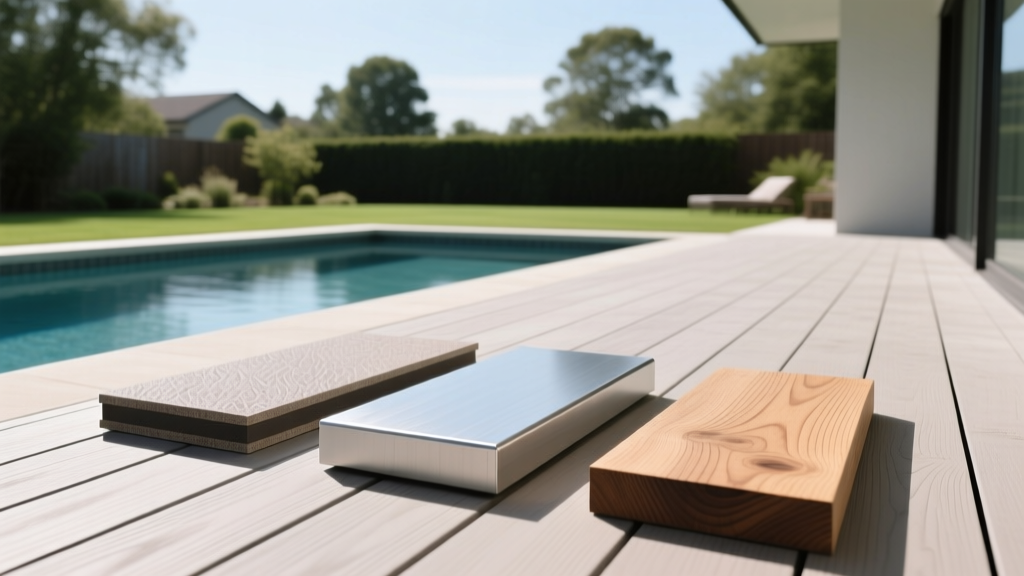
The Microclimate of the Splash Zone
Building a deck around an above ground pool introduces a unique set of environmental stressors that standard backyard decks do not face. The immediate perimeter of a pool creates an aggressive microclimate characterized by extreme wet-dry cycling, constant UV exposure, and heavy chemical saturation. A standard deck experiences rain and dries; a pool deck is subjected to thousands of micro-splash cycles per week, depositing concentrated sodium hypochlorite (liquid chlorine) or bromine directly onto the decking surface and into the substructure gaps.
When evaluating above ground pool deck ideas, aesthetic appeal must be secondary to material survivability. Wood that performs well in a dry climate will rapidly succumb to cupping, splintering, and fungal decay when subjected to constant chlorinated moisture. Furthermore, the rise of saltwater chlorine generators in above ground pools introduces highly corrosive salt aerosols into the air, demanding rigorous hardware specifications to prevent catastrophic structural failure. This analysis breaks down the most durable decking materials and structural configurations to ensure your investment outlasts the pool itself.
Material Lifespan and Chemical Resistance Matrix
The following matrix compares the leading decking materials based on their performance in high-splash, chemically treated environments. Pricing reflects 2026 national averages for material only.
| Material Type | Expected Lifespan (Pool Zone) | Chlorine Resistance | Saltwater Resistance | Avg. Material Cost (per sq. ft.) |
|---|---|---|---|---|
| Pressure-Treated Pine | 8 - 12 Years | Moderate (Requires annual sealing) | Poor (Accelerated fastener corrosion) | $4.50 - $7.00 |
| Capped Polymer Composite | 25 - 30 Years | Excellent (Non-porous cap) | Excellent (No metal oxidation) | $10.00 - $15.00 |
| Extruded Aluminum | 50+ Years | Excellent (Impervious) | Excellent (With AAMA 2604 coating) | $14.00 - $20.00 |
| Thermally Modified Ash | 20 - 25 Years | Good (Naturally decay resistant) | Good (Requires UV oil maintenance) | $11.00 - $16.00 |
High-Durability Above Ground Pool Deck Ideas
1. Capped Polymer Composite with Hidden Fasteners
For the optimal balance of low maintenance and high durability, capped composite decking remains the industry standard for pool surrounds. Unlike first-generation composites that absorbed moisture and swelled, modern capped boards (such as Trex Transcend Lineage or Fiberon Promenade) feature a full polyethylene or PVC shell that is entirely impervious to chlorinated water absorption.
Critical Installation Specification: In pool zones, composite decking must be installed with a maximum joist spacing of 12 inches on-center (OC), rather than the standard 16 inches OC. The combination of high ambient heat, constant moisture, and heavy foot traffic (often carrying concentrated point loads from wet feet and pool equipment) can cause 16-inch spans to sag over time. Furthermore, utilize hidden fastener systems that maintain a strict 3/16-inch lateral gap between boards. This specific gap width allows chlorinated splash water to drain rapidly through the deck surface rather than pooling, while preventing high-heeled shoes or small children's toes from catching in the gaps.
2. Extruded Aluminum Decking
If absolute indestructibility is the goal, extruded aluminum decking (such as Ardek or LockDry) is the superior choice. Aluminum does not rot, warp, splinter, or harbor mold. More importantly for pool environments, aluminum dissipates heat significantly faster than composite or wood, making it barefoot-friendly even during peak summer afternoon sun.
Coating Specifications: When selecting aluminum decking for a pool, verify that the powder-coat finish meets the AAMA 2604 specification. Standard AAMA 2603 coatings will chalk and fade within three to five years under intense UV and chemical exposure. AAMA 2604 utilizes high-performance fluoropolymer resins that resist color shift and chemical etching from concentrated pool shock treatments. Ensure the substructure utilizes a neoprene or EPDM rubber isolation membrane between the aluminum boards and the pressure-treated joists to prevent galvanic corrosion.
3. Thermally Modified Hardwood
For homeowners who demand the authentic look of natural wood but require the lifespan of composite, thermally modified wood (like Thermory Ash) offers a compelling solution. The thermal modification process heats the wood to 400°F+ in an oxygen-deprived environment, permanently altering its cellular structure. This process removes the hemicellulose (the sugars that fungi and insects feed on) and reduces the wood's equilibrium moisture content by up to 50%.
According to research from the USDA Forest Products Laboratory, thermally modified hardwoods achieve a Class 1 durability rating, making them highly resistant to the decay organisms that thrive in the damp underbelly of pool decks. However, UV exposure will still turn the wood gray over time. To maintain the rich brown hue, the deck must be re-oiled with a specialized penetrating UV-inhibitor oil every 18 to 24 months.
The Hidden Failure Point: Substructure and Hardware
The most common mistake in executing above ground pool deck ideas is investing heavily in premium decking while neglecting the substructure. A $15,000 composite deck surface will fail prematurely if the joists beneath it rot or the hardware rusts.
⚠️ Warning: Saltwater Pool Hardware Requirements
If the above ground pool utilizes a salt chlorine generator, standard hot-dipped galvanized (HDG) hardware is insufficient. The aerosolized salt will rapidly corrode zinc coatings. You must specify 316-grade marine stainless steel for all joist hangers, structural screws, and post bases. 304-grade stainless steel will still experience pitting corrosion in salt-heavy environments. Refer to the North American Deck and Railing Association (NADRA) guidelines for proper structural connections in corrosive environments.
Joist Protection: Every horizontal framing member beneath a pool deck must be wrapped in a butyl-based joist tape (such as Trex Protect or DeckWise WiseWrap). Butyl tape seals around the screw penetrations and prevents water from sitting on the top edge of the joist, which is the primary initiation point for wood rot. Avoid asphalt-based flashing tapes, as they can degrade and lose adhesion when exposed to the high heat generated on the underside of dark-colored composite deck boards.
Footings and Post Bases: Above ground pool decks carry immense dynamic loads, especially when hosting gatherings. Concrete footings must be poured below the local frost line to prevent heaving. Furthermore, utilize elevated post bases (like the Simpson Strong-Tie E-Z Base or adjustable standoff bases) that keep the bottom of the wooden support posts at least 1 inch above the concrete. This prevents the end-grain of the post from wicking ground moisture, a failure mode that routinely rots deck posts at the base within a decade.
Design Configurations That Maximize Airflow
The physical layout of your deck heavily dictates its lifespan. Moisture trapped against the pool wall or beneath the deck structure accelerates degradation of both the deck and the pool itself.
- The 2-Inch Pool Wall Gap: Never run decking boards flush against the steel or resin wall of the above ground pool. Maintain a strict 2-inch clearance between the deck edge and the pool wall. This gap allows for thermal expansion of the decking, accommodates the slight flexing of the pool wall under water pressure, and crucially, allows air to circulate and dry the pool's exterior wall, preventing premature rust on steel-walled pools.
- Cross-Ventilation Skirting: If your design includes skirting to hide the pool's support uprights and the deck's substructure, do not use solid panels. Utilize horizontal slats or lattice with a minimum 40% open area. Enclosing the substructure completely traps humid, chlorinated air beneath the deck, creating a greenhouse effect that will rot pressure-treated joists in less than five years.
- Integrated Drainage Troughs: For multi-level deck designs where an upper deck section overlaps a lower section or the pool equipment pad, install an under-deck drainage system (like Trex RainEscape). This routes chlorinated runoff away from the lower structural framing and directly into the yard's drainage system.
Summary Decision Framework
Selecting the right material depends on your specific pool chemistry and maintenance willingness:
Choose Capped Composite If:
You want a wood-like aesthetic with zero annual sealing, and your pool uses standard liquid chlorine or tablet chlorination. Budget allows for $10-$15/sq. ft. material costs.
Choose Aluminum If:
You have a saltwater pool, live in a high-heat climate where barefoot comfort is paramount, and require a 50-year structural lifespan with zero organic maintenance.
Choose Modified Wood If:
You demand authentic natural timber, accept the requirement to re-apply UV oil every two years, and want to avoid the plastic-like feel of synthetic composites.
By prioritizing chemical resistance, specifying 12-inch joist spacing, and utilizing marine-grade hardware, your above ground pool deck will remain structurally sound and visually pristine for decades, far outlasting the typical 10-year lifespan of the pool liner itself.