Maintaining Materials for Decking Construction: Expert Guide
Learn the exact cleaning, sealing, and inspection protocols for wood, composite, and aluminum materials for decking construction to maximize lifespan.

Material-Specific Maintenance Protocols
The longevity of any outdoor structure is dictated by the maintenance protocols applied to the specific materials for decking construction used in the project. A capped polymer board requires vastly different chemical care than pressure-treated southern yellow pine or extruded aluminum. Misapplying cleaning agents or ignoring structural hardware can lead to premature failure, voided warranties, and costly replacements. This guide details the exact chemical, mechanical, and structural maintenance requirements for modern decking materials.
Natural Wood and Pressure-Treated Lumber
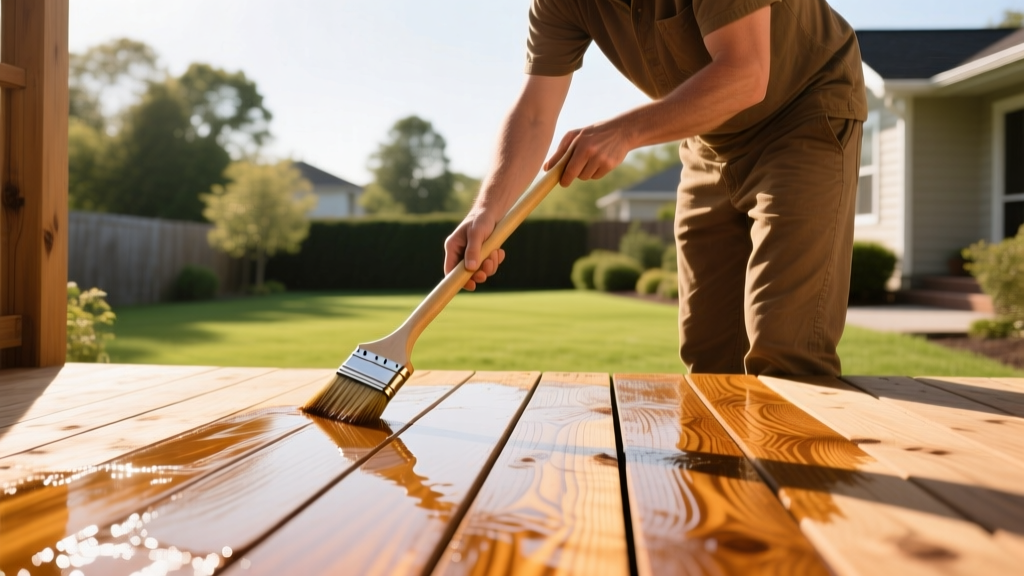
Wood decking, including pressure-treated pine, cedar, redwood, and tropical hardwoods like Ipe, is highly susceptible to ultraviolet (UV) degradation and moisture cycling. UV rays break down the lignin in wood cells, causing surface graying and checking, while moisture fluctuations lead to cupping and splintering.
- Cleaning: Avoid chlorine bleach (sodium hypochlorite), which breaks down wood fibers and kills surrounding vegetation. Instead, use an oxygen-based bleach cleaner (sodium percarbonate) mixed at a ratio of 1 cup per gallon of warm water. Apply with a pump sprayer, let it dwell for 15 minutes, and agitate with a medium-stiff bristle brush.
- Preparation: Before sealing, the wood moisture content must be below 15%. Use a pinless moisture meter (such as the Wagner Meters MMC220) to verify. Sand the surface with 80-grit aluminum oxide sandpaper to open the wood pores; do not use finer grits, as they will burnish the wood and prevent sealer penetration.
- Sealing: For transparent or semi-transparent protection, use a penetrating oil-based sealer with zinc nano-particles for UV resistance, such as Defy Extreme Wood Stain or Penofin Hardwood Formula. Film-forming sealers (like polyurethane) should be avoided on horizontal deck surfaces as they peel under foot traffic and require complete chemical stripping for reapplication.
Capped Composite Decking
Modern capped composites (like Trex Transcend, TimberTech Advanced PVC, and Fiberon Paramount) feature a high-density polyethylene (HDPE) or polypropylene core wrapped in a protective polymer shell. While marketed as low-maintenance, the embossed wood-grain textures trap organic debris, leading to mold and mildew growth in the micro-crevices.
- Routine Cleaning: Sweep weekly to prevent organic matter from decomposing in the grooves. For deep cleaning, use a composite-specific cleaner like Corte Clean or a mild dish soap solution.
- Pressure Washing Limits: If using a pressure washer, never exceed 1,500 PSI. Maintain a minimum 12-inch distance from the surface and use a 40-degree fan tip. High-pressure pinpoint streams will permanently etch the polymer cap, creating rough patches that attract more dirt.
- Stain Removal: For grease or sunscreen stains, act within 48 hours. Use a commercial degreaser or isopropyl alcohol. Avoid abrasive scouring pads, which will scratch the matte finish of the cap layer.
Aluminum Decking Systems
Aluminum decking (such as Wahoo Decks or Azek Aluminum) is impervious to rot and insects, but the powder-coated finishes require specific care to prevent chalking and oxidation. Most high-end aluminum boards use an AAMA 2604 compliant fluoropolymer or polyester powder coat.
- Chemical Restrictions: Never use muriatic acid, alkaline oven cleaners, or heavy-duty rust removers on aluminum boards. These chemicals will strip the powder coat and cause immediate galvanic oxidation. Clean only with a pH-neutral car wash soap and a microfiber mitt.
- Static Mitigation: Aluminum boards can build up static electricity in dry climates, causing a mild shock when touching metal railings. Wiping the boards down with a 50/50 mix of water and liquid fabric softener once a season neutralizes the static charge.
Structural Framing and Hidden Hardware Inspection
While surface materials for decking construction get the most attention, the substructure dictates the overall safety of the build. The North American Decking and Railing Association (NADRA) recommends an annual structural audit focusing on three critical areas:
- Ledger Board Flashing: Inspect the metal flashing where the deck ledger attaches to the house. Ensure the flashing overlaps the house wrap and extends behind the siding. Look for rust streaks or soft, spongy wood, which indicate water intrusion and impending ledger failure.
- Joist Tape Integrity: If your joists were protected with butyl joist tape (like Protecto Wrap Deck Joist Tape), check the edges for peeling. Butyl tape remains pliable and self-seals around screws, whereas cheaper asphalt-based tapes become brittle and crack in freezing temperatures.
- Hidden Fasteners and Clips: For composite decks installed with hidden clip systems (such as TigerClaw or Trex Hideaway), inspect a random sampling of clips. Ensure the stainless steel or composite clips have not warped and that the gap spacing remains consistent at 3/16-inch to allow for thermal expansion.
Annual Maintenance Cost and Effort Matrix
Understanding the long-term financial and time investment of your decking materials is crucial for budgeting. The table below outlines the average annual maintenance requirements per square foot based on 2026 material costs and labor estimates.
| Material Type | Annual Cleaning | Sealing/Coating | Est. Annual Cost (DIY) | Time Investment |
|---|---|---|---|---|
| Pressure-Treated Pine | Oxygen Bleach Wash | Every 1-2 Years | $0.60 - $1.10 / sq ft | High (12-16 hrs) |
| Tropical Hardwood (Ipe) | Mild Soap Wash | Annually (UV Oil) | $0.80 - $1.40 / sq ft | Medium (8-10 hrs) |
| Capped Composite | Composite Cleaner | None Required | $0.10 - $0.25 / sq ft | Low (3-4 hrs) |
| Extruded Aluminum | pH-Neutral Soap | None Required | $0.05 - $0.15 / sq ft | Very Low (1-2 hrs) |
Seasonal Maintenance Decision Tree
Adapting your maintenance schedule to seasonal shifts prevents compounding damage. Follow this decision framework to address issues before they require professional remediation.
Spring: The Post-Winter Audit
Focus on structural movement caused by frost heave. Check concrete footings for vertical displacement. If a support post has lifted more than 1/4 inch, the soil base may need regrading to divert water away from the footing. Clean the deck surface thoroughly to remove winter pollen and early mold spores before they embed into the material pores.
Summer: UV and Heat Management
Composite and PVC boards expand significantly in high heat. Ensure that the butt joints and perimeter gaps remain clear of debris. If dirt packs into the expansion gaps, the boards will buckle or warp when they reach peak thermal expansion. For wood decks, apply penetrating sealers in the early morning to avoid rapid solvent evaporation.
Autumn: Moisture and Debris Clearing
Falling leaves contain tannins that will permanently stain light-colored composite boards if left wet for more than a week. Keep the gaps between boards clear using a specialized gap-cleaning tool or a putty knife wrapped in a rag. Ensure that downspouts and gutters are not overflowing directly onto the deck surface, which accelerates localized algae growth.
Winter: Snow and Ice Protocols
Never use metal shovels or ice picks on any materials for decking construction, as they will gouge polymer caps and scratch powder coatings. Use a plastic-blade snow pusher. For ice melt, avoid rock salt (sodium chloride) and calcium chloride, which leave a white, corrosive residue that pits aluminum and degrades composite binders. Instead, use a magnesium chloride-based ice melt, which is safe for most decking surfaces and less harmful to surrounding landscaping.
Establishing Your Maintenance Ledger
Consistent documentation is the hallmark of professional property management. Create a simple digital or physical ledger logging the dates of all cleanings, the specific chemical products used (including lot numbers), and the moisture readings taken before sealing. According to the USDA Forest Products Laboratory, tracking the exact moisture content and environmental conditions during sealing applications is the most reliable way to predict when a wood finish will fail, allowing you to schedule maintenance proactively rather than reactively. For composite and aluminum materials, retaining your cleaning logs is often a strict requirement to validate the manufacturer's fade and stain warranty if a defect claim is ever filed.
Written by
David NakamuraDavid Nakamura is a licensed architect (AIA) and construction technology writer focused on sustainable building methods, mass timber engineering, and high-performance building envelopes. He holds a Master of Architecture from the University of Washington and is a certified Passive House Consultant (CPHC). David spent eight years at the Seattle firm Mithun, where he led the design of three LEED Platinum projects, before founding his own practice specializing in net-zero residential design. He serves on the editorial advisory board of GreenBuilder Magazine and has authored peer-reviewed papers on cross-laminated timber (CLT) connections for the Journal of Structural Engineering. In his spare time, David teaches woodworking at Pratt Fine Arts Center and kayaks the Puget Sound.
More from David Nakamura
View all
Construction Cost
Labor Cost to Build a Deck Per Sq Ft: 2026 Installation Guide
Discover the exact labor cost to build a deck per sq ft in 2026. This installation guide breaks down contractor rates, complexity factors, and hidden fees.
Aug 4, 2026

Construction Cost
How Much Does It Cost to Build a 3 Bedroom House? Financing Guide
Learn exactly how much it costs to build a 3 bedroom house and explore 2026 financing options, construction loan types, and budget frameworks for your build.
Aug 4, 2026

Construction Cost
Cost to Build a Tennis Court: 2026 Guide
How much does it cost to build a tennis court in 2026? Breakdowns for asphalt, concrete, and synthetic surfaces plus fencing and lighting.
Jul 30, 2026