Top Interlocking Patio Tiles 2026: Brand Deep Dive
Compare NewTechWood composite and SwiftDeck hardwood interlocking patio tiles. Explore 2026 pricing, installation specs, and long-term durability.
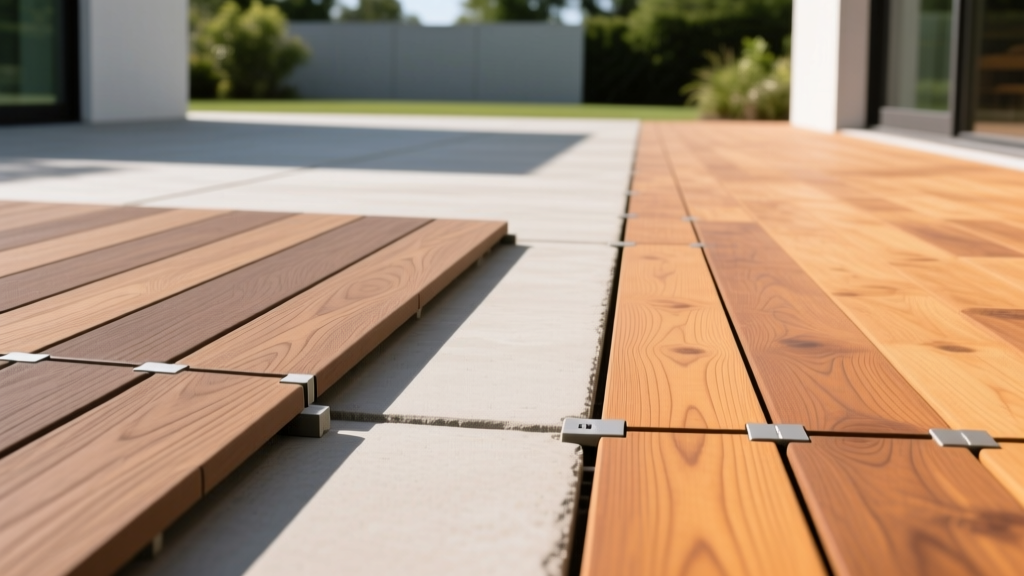
The Shift to Modular Outdoor Flooring
Interlocking patio tiles have evolved from cheap, flexible PVC mats used for temporary event flooring into high-performance architectural surfaces. For modern balconies, rooftop terraces, and concrete patios, modular deck tiles offer a floating floor system that bypasses the need for joists, sleepers, or invasive fasteners. However, the market is flooded with substandard options where the plastic grid base degrades long before the surface material fails. This deep dive examines two premium product lines dominating the 2026 market: NewTechWood's UltraShield composite tiles and SwiftDeck's premium hardwood and composite lines.
Brand Showdown: Material Science and Engineering
NewTechWood: UltraShield Naturale Interlocking Tiles
NewTechWood approaches patio tiles with a focus on co-extrusion technology. Their flagship 12x12-inch interlocking tiles feature a high-density polyethylene (HDPE) and wood fiber core, fully encapsulated by a polymer shield. This cap layer is not merely a surface coating; it is fused to the core during extrusion, providing a non-porous barrier against moisture ingress and UV degradation.
- Surface Technology: The UltraShield cap layer resists staining from common outdoor spills (wine, grease, pollen) and eliminates the need for annual sealing.
- Base Grid Engineering: The snapping mechanism utilizes a reinforced polypropylene (PP) base. Unlike cheaper recycled plastics that become brittle in sub-zero temperatures, NewTechWood's PP base includes UV stabilizers and impact modifiers, rated to withstand temperatures from -40°F to 140°F without shattering under standard foot traffic.
- Thermal Expansion: Composite materials expand and contract. NewTechWood's 12-inch format naturally mitigates large-scale warping, but installers must account for a lateral expansion rate of approximately 1/16 inch per 10 feet for every 40°F temperature swing.
SwiftDeck: Premium Hardwood and Composite Lines
SwiftDeck takes a different approach, offering modular tiles crafted from FSC-certified exotic hardwoods (like Ipe and Acacia) alongside their own WPC (wood-plastic composite) lines. Their system relies on the natural beauty and extreme density of tropical timber, married to a heavy-duty plastic grid.
- Janka Hardness Ratings: SwiftDeck's Ipe tiles boast a Janka hardness of 3,510 lbf, making them virtually impervious to scratching from patio furniture or pet claws. Their Acacia line sits at a more modest 1,700 lbf, which is still harder than domestic oak but requires more care.
- Moisture Management: The hardwood slats are pre-gapped at 3/16 inches. This specific tolerance allows for seasonal wood swelling during high-humidity months while ensuring rapid water drainage to the substrate below.
- The Maintenance Reality: Unlike capped composites, SwiftDeck hardwood tiles require maintenance. If left untreated, Ipe will weather to a silvery-gray patina within 6 to 12 months. To maintain the original amber and brown hues, owners must apply a penetrating oil finish (such as Messmer's UV+ or Penofin Hardwood Formula) annually.
Industry Insight: According to extensive material testing reviewed by Consumer Reports, capped composite decking and tiles consistently outperform uncapped composites and softwoods in long-term fade and stain resistance, though natural hardwoods remain unmatched in pure structural density and scratch resistance.
Technical Comparison Matrix
| Feature | NewTechWood UltraShield (12x12) | SwiftDeck Ipe (12x12) | SwiftDeck Acacia (12x12) |
|---|---|---|---|
| Core Material | HDPE + Wood Fiber (Capped) | Solid Ipe Hardwood | Solid Acacia Hardwood |
| Base Grid | Reinforced Polypropylene | Reinforced Polypropylene | Reinforced Polypropylene |
| 2026 Avg. Price | $7.50 - $8.50 / sq. ft. | $14.00 - $16.00 / sq. ft. | $5.50 - $6.50 / sq. ft. |
| Weight per Tile | 3.2 lbs | 4.8 lbs | 3.5 lbs |
| Annual Maintenance | Soap and water wash | Penetrating UV oil application | Penetrating UV oil application |
| Slip Resistance | High (Embossed wood grain) | Moderate (Smooth sawn finish) | Moderate (Smooth sawn finish) |
Installation Realities: What the Manuals Don't Tell You
Interlocking patio tiles are marketed as 'snap-and-go' DIY solutions, but improper substrate preparation is the leading cause of system failure. Because these tiles create a floating floor, they perfectly mirror the imperfections of the surface beneath them.
Never install interlocking patio tiles on a perfectly flat concrete slab. The substrate must have a minimum slope of 1/4 inch per foot to facilitate drainage. If water pools beneath the tiles, the trapped moisture will cause efflorescence on concrete, rot underlying wood decks, and create a breeding ground for mold on the polypropylene grid bases.
Edge Cases and Cutting Tolerances
When fitting patio tiles against a house foundation or railing, you will need to cut tiles. For NewTechWood composite tiles, a standard 10-inch miter saw with a 60-tooth carbide blade yields the cleanest edge. However, cutting the tile removes the interlocking loop on that side. You must secure the cut edge using a compatible composite fascia board or a specialized aluminum edge trim profile to prevent the tile from lifting underfoot.
For SwiftDeck hardwood tiles, cutting requires a fine-tooth blade designed for exotic timber to prevent splintering the dense Ipe. Always seal the freshly cut end-grain of hardwood tiles with an end-grain sealer (like Anchorseal) to prevent moisture from wicking into the core and causing checking (end-splitting).
5-Year Cost of Ownership Breakdown
Initial material cost is only one metric. Evaluating the true cost of patio tiles requires factoring in maintenance, replacement, and cleaning over a 5-year period for a standard 200-square-foot balcony.
| Cost Category | NewTechWood Composite | SwiftDeck Ipe Hardwood |
|---|---|---|
| Initial Material (200 sq ft) | $1,600 | $3,000 |
| Edge Trims & Accessories | $150 | $150 |
| Yearly Maintenance Supplies | $20 (Cleaner) | $85 (UV Oil & Cleaner) |
| 5-Year Maintenance Labor (DIY) | 4 hours total | 15 hours total |
| Projected 5-Year Total Cost | $1,850 | $3,575 |
While SwiftDeck Ipe offers unparalleled natural aesthetics and structural density, the NewTechWood composite line provides a significantly lower total cost of ownership, primarily due to the elimination of annual oiling and the reduced time investment in upkeep. For comprehensive guidelines on maintaining wood-based outdoor structures, the University of Minnesota Extension provides excellent, research-backed protocols on wood weathering and sealant efficacy.
Verdict: Selecting the Right System for Your Project
Choosing between these premium patio tile lines depends entirely on your site conditions and willingness to perform maintenance.
Choose NewTechWood UltraShield If:
- Your project is a rooftop terrace or balcony where weight and zero-maintenance are critical.
- The area is exposed to heavy tree cover (pollen, sap, and leaf tannins will stain uncapped wood but wipe off polymer caps).
- You want a unified color that will not shift or silver over time.
Choose SwiftDeck Ipe If:
- You are building a luxury outdoor kitchen or dining area where the prestige and tactile feel of solid exotic hardwood are paramount.
- The surface will endure heavy point-loads (e.g., massive stone planters, heavy cast-iron furniture) that might stress composite cores over time.
- You view annual oiling not as a chore, but as an acceptable ritual to maintain a premium natural product.
Interlocking patio tiles represent a massive leap in modular landscaping. By selecting a system engineered with UV-stabilized bases and high-performance surface materials, you secure a durable, high-traffic outdoor living space that performs flawlessly for decades.