The Complete Maintenance Playbook for a Pergola on Deck
Master the upkeep of your pergola on deck with this detailed cleaning and structural maintenance playbook, covering post bases, flashing, and materials.
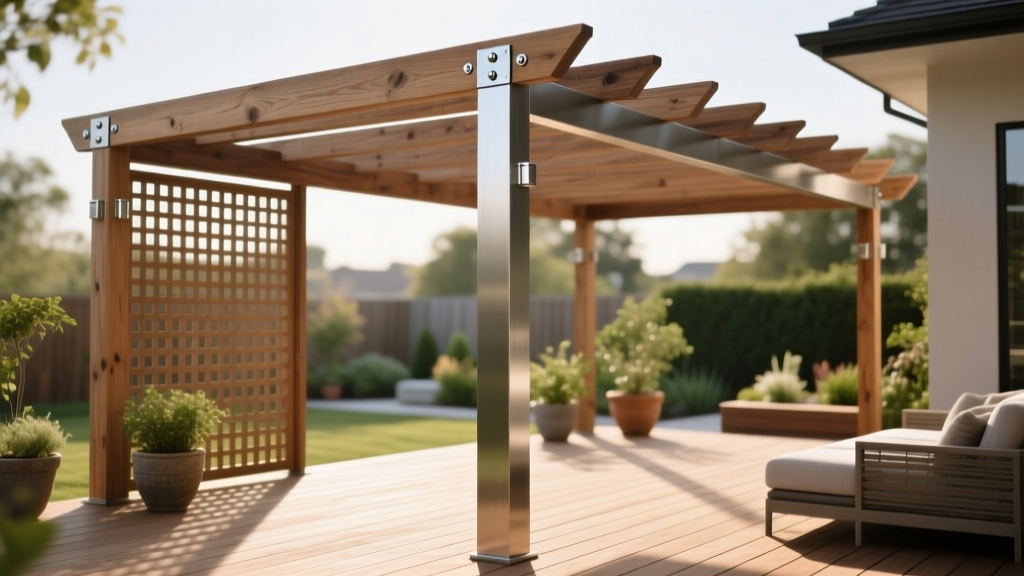
The Unique Stress Points of Deck-Mounted Pergolas
Mounting a pergola directly onto a deck creates a unified outdoor structure, but it also introduces complex structural intersections and microclimates that require specialized upkeep. Unlike ground-mounted pergolas, a pergola on deck transfers wind uplift loads directly into the deck joists and framing. Furthermore, the junction where the pergola posts meet the deck surface is highly susceptible to water pooling, debris accumulation, and capillary moisture wicking. This playbook provides a rigorous, material-specific maintenance and cleaning protocol to protect both the vertical pergola structure and the horizontal deck surface beneath it.
The Critical Intersection: Post Bases and Flashing
The most common point of failure for a pergola on deck is the post base connection. If your pergola utilizes wood posts, the end-grain acts like a bundle of straws, drawing moisture upward if it sits flush against the deck boards.
Inspecting and Maintaining Post Bases
- Verify Stand-Off Elevation: High-quality post bases, such as the Simpson Strong-Tie elevated bases, maintain a 1-inch elevation to prevent wicking. Use a wire brush to clear the 1-inch gap of packed dirt, pollen, and spider webs quarterly.
- End-Grain Sealing: If installing or re-sealing wood posts, apply a penetrating epoxy sealer (like TotalBoat Penetrating Epoxy) to the bottom 2 inches of the post. This creates an impermeable barrier against deck moisture.
- Flashing Integrity: Check the Z-flashing or L-flashing where the pergola ledger board or post base meets the deck rim joist. Reapply a high-grade polyurethane sealant (such as Sikaflex-1a) if you observe cracking or peeling.
Material-Specific Cleaning Matrix
The cleaning agents used on the pergola will inevitably drip onto the deck below. Using the wrong chemical combination can permanently stain composite decking or strip the protective oils from wood. Refer to this matrix to ensure chemical compatibility across both structures.
| Pergola / Deck Combo | Approved Cleaning Agent | PSI Limit & Application Method |
|---|---|---|
| Aluminum Pergola / Composite Deck | Warm water + mild surfactant (e.g., Simple Green Oxy Solve). Avoid bleach over 5%. | Max 1,500 PSI. Use a 40-degree fan tip. Maintain 8-inch standoff. |
| Cedar/Redwood Pergola / Wood Deck | Oxygenated wood cleaner (e.g., 30 Seconds Outdoor Cleaner). No chlorine bleach. | Max 2,500 PSI for wood. Keep nozzle 12 inches away to prevent etching. |
| Vinyl Pergola / PVC Deck | Vinegar/water solution (30/70 ratio) or proprietary PVC deck wash. | Max 1,200 PSI. High pressure will fracture cellular PVC surfaces. |
| Fiberglass Pergola / Stone Paver Deck | pH-neutral stone and fiberglass cleaner. Avoid acidic masonry cleaners. | Pressure washing safe up to 3,000 PSI on stone; hand-wash fiberglass. |
For comprehensive guidelines on protecting composite surfaces from chemical runoff, always consult the manufacturer's official documentation, such as the Trex Care and Cleaning Guide or TimberTech Care and Cleaning Resources.
Maintaining Motorized and Louvered Pergola Systems
If your pergola on deck features a motorized louvered roof (such as systems by StruXure, Arcadia, or Renson), the maintenance requirements multiply. The internal drive tracks and gutters are highly susceptible to clogging from debris falling from nearby trees, which can cause water to back up and overflow directly onto the deck surface below.
Track and Gutter Protocol
- Compressed Air Flush: Every 90 days, use an air compressor set to a maximum of 90 PSI to blow out the internal louver tracks and hidden gutter channels. Do not use a leaf blower, as it lacks the focused velocity needed to clear compacted pollen.
- Dry Lubrication Only: Apply a dry PTFE lubricant (like WD-40 Specialist Dry Lube with PTFE) to the track bearings and pivot points. Never use wet silicone sprays or lithium grease. Wet lubricants attract dust and grit, forming an abrasive paste that will prematurely wear out the track bearings and jam the limit switches.
- Drainage Tube Clearance: Locate the 1-inch flexible drainage tubes that route water from the pergola columns down to the deck surface or through the deck joists. Detach the bottom fitting and run a plumber's snake or a stiff wire through the tube to clear insect nests and sludge.
Hardware Audit and Galvanic Corrosion Prevention
The hardware securing the pergola to the deck is subjected to extreme tension during high-wind events. Furthermore, dissimilar metals in contact with pressure-treated lumber or composite moisture can trigger galvanic corrosion.
- Structural Screw Inspection: Check the structural lag screws (e.g., GRK RSS or Simpson Strong-Drive SDWS) anchoring the post bases to the deck joists. Use a calibrated torque wrench to ensure they meet the manufacturer's specified torque (typically 40-60 ft-lbs for 3/8-inch structural screws). If a screw spins freely, the joist hole is stripped; remove the screw, inject a structural epoxy wood filler, and reinstall.
- Galvanic Isolation: If you have an aluminum pergola mounted with standard zinc-plated steel brackets, the aluminum will act as an anode and corrode rapidly when exposed to moisture. Inspect for white, powdery oxidation (aluminum oxide). If present, disassemble the joint, clean the metals, and apply a dielectric grease or install nylon isolation washers between the aluminum post and the steel bracket.
- Turnbuckle Tensioning: For pergolas utilizing cross-bracing cables, check the turnbuckles bi-annually. Cables stretch over time. Tighten the turnbuckles until the cable produces a low, resonant hum when plucked, indicating proper tension without over-stressing the deck framing anchors.
Seasonal Deep-Clean Playbook: Spring and Fall
Routine sweeping is insufficient for a pergola on deck. Execute this deep-clean protocol twice a year to preserve the aesthetic and structural integrity of the entire footprint.
Phase 1: Top-Down Dry Removal
Before introducing any water or chemicals, remove all dry organic matter. Use a soft-bristle push broom to sweep the pergola rafters and purlins. For the deck surface below, use a leaf blower set to a low speed, directing debris outward. High-speed blowing can force grit into the expansion gaps of composite deck boards, where it becomes trapped and retains moisture.
Phase 2: Chemical Application and Dwell Time
Apply your chosen cleaner (refer to the Material Matrix above) using a pump sprayer for even distribution. Start on the pergola roof and rafters, working your way down to the posts, and finally the deck floor. Allow the solution to dwell for 10 to 15 minutes. Do not let the solution dry on the surface. If the sun is intense, work in small 10x10 foot sections to maintain a wet edge.
Phase 3: Agitation and Rinsing
For stubborn mildew or tannin stains (common under cedar pergolas), use a deck brush with medium-stiff synthetic bristles. Agitate the surface in the direction of the deck board grain or the extrusion lines of the aluminum pergola. Rinse thoroughly with a garden hose or a pressure washer strictly adhering to the PSI limits outlined in the matrix. Ensure all chemical residue is flushed through the deck board gaps and away from the underlying joists.
Troubleshooting Common Deck-Pergola Failure Modes
Cause: Tannin bleed from untreated wood pergola rafters or rust runoff from uncoated steel hardware.
Fix: Apply a commercial tannin remover or oxalic acid-based wood brightener to the deck. For the pergola, seal the bleeding joints with a clear, UV-stable polyurethane or replace the steel hardware with hot-dipped galvanized or stainless steel equivalents.
Cause: Inadequate lateral bracing or undersized deck blocking beneath the post bases.
Fix: Install 45-degree diagonal knee braces from the pergola posts to the primary beams. Beneath the deck, verify that solid wood blocking (minimum 2x8) is installed directly under the post base location between the joists to distribute the point load and prevent joist rotation.
By treating the pergola and the deck as an interconnected system rather than two separate entities, you prevent localized damage from cascading into systemic structural failures. Adhering to these precise cleaning thresholds, hardware torque specs, and chemical compatibilities ensures your outdoor living space remains safe, visually striking, and structurally sound for decades.