Black Aluminum Fence Brands: Ultimate 2026 Buyer Guide
Compare top black aluminum fence brands, product lines, AAMA coating standards, and 2026 pricing to choose the right system for your property.
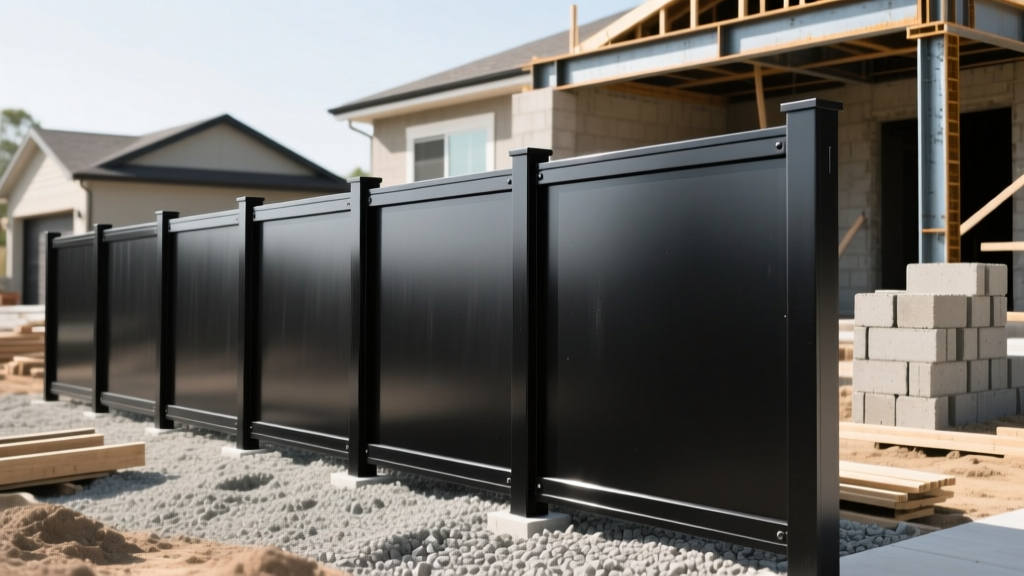
The 2026 Landscape: Why Black Aluminum Dominates
Black aluminum fencing has effectively rendered traditional wrought iron obsolete for residential and light commercial applications. By 2026, advancements in extrusion technology and fluoropolymer coatings have positioned black aluminum as the premier choice for properties demanding the classic, high-end aesthetic of iron without the inevitable rust, heavy weight, or annual repainting. However, not all black aluminum fences are engineered equally. The market is saturated with big-box store hollow-tube alternatives that fail within a decade. This deep-dive analyzes the top-tier manufacturing brands, specific product lines, and the critical coating standards that dictate a fence's true lifespan.
Brand & Product Line Breakdown
Jerith Manufacturing
Jerith remains the gold standard for architectural aluminum fencing. Their product lines are strictly segmented by gauge and application:
- Jerith 1000 Series (Residential): Features 5/8-inch square pickets with a 0.058-inch wall thickness. Ideal for standard property lines and HOA-compliant perimeter fencing. The 1000 series utilizes a standard punched rail system with visible stainless steel self-tapping screws.
- Jerith 2000 Series (Commercial): Upgrades to 3/4-inch square pickets with a heavier 0.072-inch wall thickness. This line is specified for high-traffic commercial properties, schools, and security perimeters where impact resistance is paramount.
Barrette Outdoor Living
Barrette dominates the big-box and contractor supply chain, offering accessible pricing with reliable structural integrity. Their standout lines include:
- Pro Series: Utilizes 1-inch square pickets, providing a more substantial visual profile than the industry-standard 5/8-inch. The Pro Series features a unique locking mechanism that eliminates the need for visible fasteners on the picket-to-rail connection.
- Industrial Series: Employs 1.5-inch pickets and heavy-duty 2-inch square posts, designed to withstand high wind loads and minor vehicular impacts.
Ultra Aluminum
Ultra Aluminum is renowned for its aesthetic refinements, specifically targeting high-end residential estates and luxury pool enclosures.
- Ultra Elite Series: The defining feature of the Elite line is its completely hidden fastener system and smooth, unrouted rails. The pickets are secured internally, providing a clean, uninterrupted exterior profile that mimics custom-fabricated wrought iron.
Product Line Comparison Matrix
| Brand & Line | Picket Size | Wall Thickness | Fastener System | 2026 Material Cost (per LF) |
|---|---|---|---|---|
| Jerith 1000 | 5/8" Square | 0.058" | Visible Screws | $32 - $38 |
| Jerith 2000 | 3/4" Square | 0.072" | Visible Screws | $40 - $48 |
| Barrette Pro | 1" Square | 0.062" | Hidden Lock | $35 - $42 |
| Ultra Elite | 1" Square | 0.070" | Concealed | $45 - $58 |
Note: 2026 material costs reflect 6-foot tall, standard flat-top panels. Decorative finials and installation labor add an additional $25-$40 per linear foot.
The Secret to Longevity: AAMA Coating Standards
The most critical failure point for black aluminum fencing is not structural; it is cosmetic. Black pigments absorb maximum UV radiation, making them highly susceptible to chalking and fading. When evaluating product lines, you must look beyond the marketing term "powder-coated" and verify the specific American Architectural Manufacturers Association (AAMA) standard used.
Most mid-tier fences use AAMA 2604 (TGIC polyester powder coat). While adequate for light colors, AAMA 2604 black finishes will typically begin to chalk and fade within 5 to 7 years in high-UV environments. For a black fence, you must demand an AAMA 2605 certified finish.
AAMA 2605: The Fluoropolymer Standard
AAMA 2605 specifies a PVDF (polyvinylidene fluoride) resin coating, commonly known by the brand name Kynar 500. This fluoropolymer coating is highly resistant to UV degradation, chemical exposure, and extreme temperature fluctuations. A black aluminum fence finished to AAMA 2605 standards will retain its color and gloss for 20+ years, justifying the 15% to 20% premium in upfront material costs.
Installation Failure Modes to Avoid
Even the highest-grade Ultra Elite panel will fail prematurely if installed incorrectly. Aluminum requires specific handling to prevent galvanic and alkaline corrosion.
1. Alkaline Corrosion from Concrete
Wet concrete has a pH level between 12 and 13. Aluminum begins to corrode rapidly when exposed to environments with a pH above 9. Setting raw aluminum posts directly into a concrete footer will cause the base of the post to oxidize, pit, and eventually snap under wind load. The Fix: Always use a vinyl post sleeve, wrap the embedded portion of the post in an asphalt-based bituminous paint, or utilize specialized polymer-coated post anchors that isolate the metal from the masonry.
2. Exceeding Racking Limits on Slopes
Standard rackable aluminum panels can accommodate a grade change of up to 4 inches over a 6-foot span (roughly a 6% slope). Forcing a panel to rack beyond its engineered limit will distort the picket holes, stress the self-tapping screws, and create permanent tension fractures in the aluminum alloy. The Fix: For slopes exceeding 4 inches per 6 feet, you must transition to a "stair-step" installation method or order custom-punched, steep-rack panels directly from the manufacturer.
3. Gate Post Deflection
Aluminum is lighter than steel, making gate posts prone to deflection (leaning) over time due to the dynamic load of a swinging gate. Standard 2-inch aluminum gate posts are insufficient for double-drive gates. The Fix: For any gate wider than 4 feet, upgrade to a 3-inch or 4-inch aluminum post, or insert a steel reinforcement tube inside the aluminum post before setting it in concrete.
Pool Code Compliance (BOCA/ICC)
If your black aluminum fence will enclose a swimming pool, it must comply with the International Code Council (ICC) and local BOCA pool barrier codes. The U.S. Consumer Product Safety Commission (CPSC) outlines strict parameters for pool fencing to prevent child drownings:
- Minimum Height: 48 inches (4 feet) above the finished grade.
- The 4-Inch Sphere Test: No opening in the lower portion of the fence can allow the passage of a 4-inch diameter sphere. This dictates the spacing between the bottom rail and the ground, as well as the spacing between pickets.
- Climbability: The fence must not have horizontal rails or decorative scrollwork on the exterior-facing side that could act as a ladder. Ensure you order "pool-code compliant" panels, which feature a secondary bottom rail placed higher up to eliminate the lower gap, or tightly spaced 3-inch pickets.
- Gate Hardware: Gates must be self-closing and self-latching, with the latch release mechanism located on the pool side, at least 54 inches from the ground.
2026 Sourcing & Cost Framework
Sourcing black aluminum fencing requires navigating the divide between retail availability and contractor-grade supply. Big-box home improvement centers primarily stock AAMA 2604 finished, 5/8-inch picket panels (typically Barrette or similar generic lines). While convenient, these are not suitable for coastal, high-UV, or luxury applications.
For AAMA 2605 finishes, hidden fastener systems (like Ultra Elite), and commercial gauges (Jerith 2000), you must source through authorized regional distributors or direct-to-consumer specialized fencing wholesalers. When budgeting for a 2026 project, allocate $35 to $58 per linear foot for premium materials, and expect professional installation on difficult terrain to add $30 to $45 per linear foot. Always request the manufacturer's spec sheet to verify the AAMA coating standard and alloy wall thickness before signing a purchase order.
For further industry standards and contractor certifications, refer to the American Fence Association (AFA) to locate certified installers in your region who understand the nuances of aluminum isolation and racking limits.