Electric Fence Energizer Specs: Joules, Voltage & Sizing Guide
Master electric fence energizer specifications. Compare output joules, voltage under load, and impedance to size your agricultural or security fence perfectly.
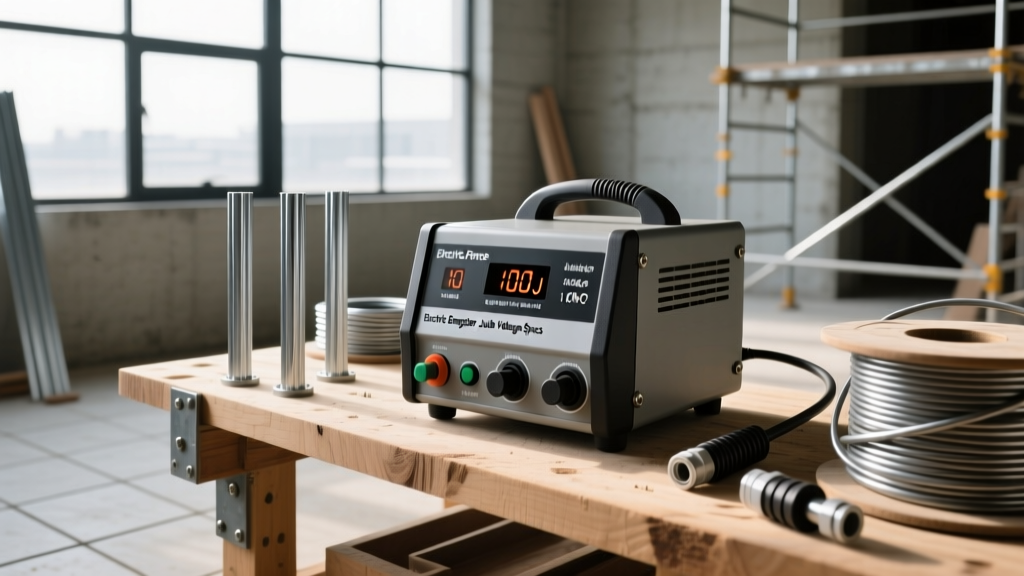
The Core Metrics: Output Joules vs. Stored Joules
When evaluating an electric fence energizer, the most frequently misunderstood specification is the joule rating. Manufacturers often advertise 'stored joules' on the packaging, but this number represents the maximum energy held in the energizer's internal capacitors before discharge. Due to internal circuit resistance and transformer losses, the actual energy delivered to the fence line—known as 'output joules'—is always lower.
For example, an energizer advertising 4.0 stored joules will typically deliver between 2.4 and 2.8 output joules to the fence line. This distinction is critical when calculating the power requirements for large-scale rotational grazing setups or high-tensile perimeter security fences.
Voltage Under Load and Pulse Width Dynamics
Open-circuit voltage (the voltage measured when the fence is completely clear of vegetation and animals) is largely a marketing metric. The true performance indicator is voltage under load. According to guidelines from Penn State Extension, maintaining a minimum of 4,000 to 5,000 volts under load is required for cattle, while sheep, goats, and predator exclusion require 7,000 to 10,000 volts due to the insulating properties of their wool and thick fur.
Modern microprocessor-controlled energizers utilize variable pulse width technology. When vegetation touches the hot wire, it creates a resistive load that drops the voltage. Advanced energizers detect this drop and automatically widen the pulse duration—typically from 100 microseconds up to 300 microseconds. This wider pulse delivers more thermal energy to the contact point, effectively burning off the weed without completely draining the main capacitor bank.
Pushing voltage beyond 10,000 volts under load is counterproductive. Excessive voltage causes RF (radio frequency) interference with nearby communications equipment, induces voltage in adjacent un-electrified wires, and increases the risk of arcing across insulators, which physically degrades high-density polyethylene components.
Impedance and Pulse Technology Matrix
Impedance dictates how the energizer reacts to different types of electrical loads on the fence line. Selecting the wrong impedance type for your environment will result in either weak shocks or destroyed vegetation and fire hazards.
| Technology Type | Internal Resistance | Ideal Environment | Weed Burn-Off Capability |
|---|---|---|---|
| Low Impedance (Modern Standard) | < 50 Ohms | Heavy brush, long multi-strand fences, high-tensile wire | High (Safely burns off light vegetation) |
| Solid State / Continuous | High | Obsolete for agricultural use | Extreme (High fire risk, illegal in many jurisdictions) |
| Variable / Smart Pulse | Dynamic (Adaptive) | Mixed environments, seasonal vegetation changes | Optimized (Adjusts pulse width to load) |
Sizing Framework: Animal Type and Fence Load
Sizing an electric fence energizer requires matching the output specifications to the psychological and physical barriers required for your specific application. The following framework outlines the minimum performance thresholds required for effective containment and exclusion.
| Target Animal / Application | Minimum Voltage Under Load | Minimum Output Joules | Recommended Wire Spacing |
|---|---|---|---|
| Cattle / Horses (Trained) | 3,000V - 4,000V | 1.0 - 2.0 Joules | 18' - 24' apart |
| Sheep / Goats / Swine | 5,000V - 7,000V | 3.0 - 5.0 Joules | 6' - 12' apart (lower to ground) |
| Predator Exclusion (Coyotes/Bears) | 7,000V - 10,000V | 5.0 - 10.0+ Joules | Alternating hot/ground wires |
| High-Security Perimeter | 8,000V+ | 10.0+ Joules | Dense mesh or multi-strand close spacing |
Grounding Specifications: The 3-to-1 Rule
The most common point of failure in high-joule electric fence systems is inadequate grounding. An energizer pushes electrons out on the hot wire, but the circuit is only completed when the electrons travel through the animal, into the soil, and back to the energizer's ground rods. If the ground system is undersized, the voltage on the hot wire will artificially bottleneck, regardless of the energizer's capacity.
According to infrastructure guidelines published by Texas A&M AgriLife Extension, the industry standard for low-impedance energizers is the 3-to-1 rule: you must install a minimum of 3 feet of ground rod for every 1 output joule generated by the energizer.
Step-by-Step Grounding Array Setup
- Calculate Total Rod Length: For a 10-joule output energizer, you need 30 feet of total ground rod.
- Select Rod Material: Use 5/8-inch diameter copper-clad steel or galvanized steel rods. Never mix metals (e.g., copper rods with galvanized clamps) as this causes galvanic corrosion, which destroys the connection within 12 to 18 months.
- Spacing and Depth: Drive three 10-foot rods into the earth, spacing them at least 10 feet apart. In arid climates, drive rods deep enough to reach permanent subsoil moisture.
- Interconnection: Connect the rods using a continuous, unspliced run of #6 AWG or #4 AWG bare copper wire, secured with heavy-duty, corrosion-resistant clamps.
2026 Performance Benchmarks: Top-Tier Models
When procuring equipment for commercial agriculture or high-security perimeters, relying on big-box store energizers often results in premature capacitor failure and inadequate pulse regulation. Below are performance benchmarks for three professional-grade electric fence energizers dominating the 2026 market.
- Gallagher M5800i (Mains Powered): Rated at 42 stored / 27 output joules. Features advanced lightning protection and a digital display showing exact fence voltage and fault distance. Current Market Price: ~$950 - $1,050. Ideal for massive multi-strand perimeter fences up to 100 miles.
- Parmak DF-SP-LI (Solar / DC): Rated at 30 stored / 12 output joules. Includes an integrated 30W solar panel and a sealed 12V AGM battery. The low-impedance circuitry handles moderate weed loads efficiently without draining the battery. Current Market Price: ~$380 - $420. Perfect for remote rotational grazing paddocks.
- Speedrite 3000 (Mains/Battery): Rated at 3.0 stored / 2.1 output joules. A highly reliable, compact unit for small farms and temporary polywire setups. Current Market Price: ~$280 - $310. Excellent for intensive strip-grazing and sheep netting.
Selecting the correct electric fence energizer requires ignoring inflated marketing claims and focusing strictly on output joules, dynamic pulse width capabilities, and matching the impedance to your specific environmental load. Pairing a correctly sized energizer with a rigorously engineered grounding array ensures a maintenance-free, highly effective physical and psychological barrier.