Plastic Fence Panels Lifespan: Real-World Durability Analysis
Discover the true lifespan of plastic fence panels. We analyze UV degradation, impact resistance, and real-world failure modes to help you choose wisely.
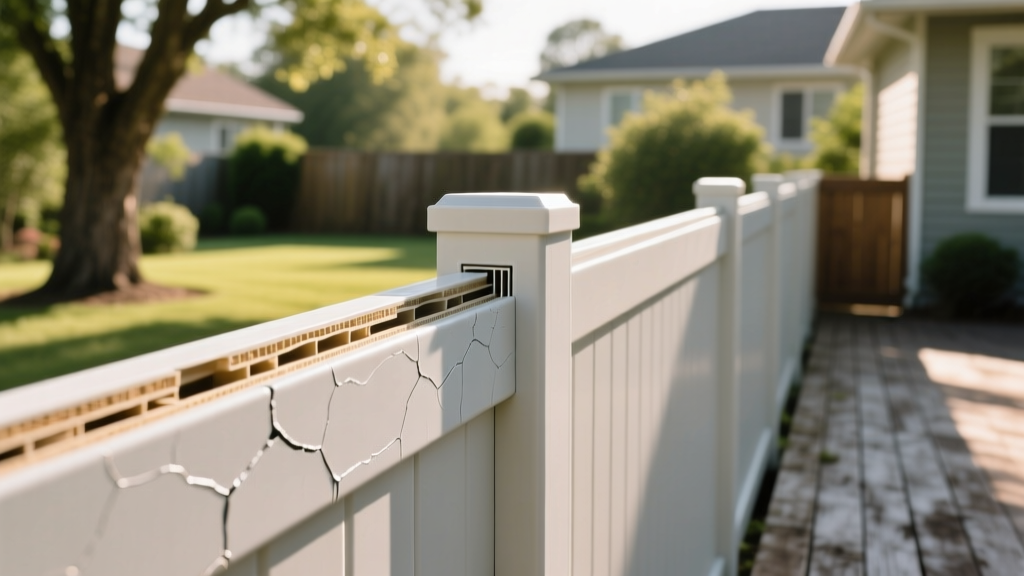
The Reality of Plastic Fence Panel Lifespans
When evaluating fencing options for residential and commercial properties, the term "plastic fence panels" encompasses a wide spectrum of polymer-based materials. While marketing materials frequently claim a "lifetime" warranty, the actual functional lifespan of these panels depends entirely on their chemical composition, UV stabilization protocols, and installation tolerances. In 2026, the market is dominated by rigid Polyvinyl Chloride (PVC), with High-Density Polyethylene (HDPE) and Polypropylene (PP) serving niche applications. A premium, co-extruded PVC panel installed correctly will reliably last 30 to 50 years with minimal aesthetic degradation. Conversely, low-grade, single-layer recycled plastic panels can suffer catastrophic embrittlement and severe chalking within 7 to 10 years. Understanding the material science behind these panels is critical for making an informed, long-term investment.
Material Composition: PVC vs. Recycled HDPE vs. Polypropylene
Not all plastic fencing is created equal. The polymer base dictates the panel's structural rigidity, thermal expansion rate, and resistance to environmental stressors. According to the British Plastics Federation, PVC remains the gold standard for exterior building profiles due to its inherent rigidity and flame retardancy, while polyolefins like HDPE are favored for their impact resistance but suffer from structural creep.
| Material Type | Expected Lifespan | UV Resistance | Structural Rigidity | 2026 Avg. Cost (Installed) |
|---|---|---|---|---|
| Virgin Co-Extruded PVC | 30 - 50 Years | Excellent (with TiO2 cap) | High | $45 - $65 / linear ft |
| Single-Layer PVC | 15 - 25 Years | Moderate (prone to chalking) | High | $35 - $45 / linear ft |
| Recycled HDPE | 10 - 20 Years | Poor to Moderate | Low (prone to sagging) | $25 - $40 / linear ft |
| Polypropylene (PP) | 5 - 10 Years | Poor | Moderate | $15 - $25 / linear ft |
Primary Failure Modes in Plastic Fencing
To accurately predict the lifespan of plastic fence panels, we must analyze how they fail in the field. Polymer degradation is rarely sudden; it is a cumulative process driven by three primary environmental stressors.
UV Degradation and the Chalking Phenomenon
Ultraviolet radiation breaks the molecular bonds in polymer chains, leading to surface erosion. To combat this, manufacturers add Titanium Dioxide (TiO2), a powerful UV blocker. Premium plastic fence panels utilize a surface cap layer containing 10 to 12 parts per hundred resin (phr) of TiO2. When UV rays strike the panel, the TiO2 absorbs and scatters the radiation, protecting the underlying PVC matrix.
However, as the TiO2 slowly depletes over decades, a phenomenon known as "chalking" occurs. This manifests as a dull, powdery white residue on the surface. While chalking does not immediately compromise the structural integrity of the fence, it severely impacts aesthetics. Low-cost panels that mix only 2 to 4 phr of TiO2 throughout a single homogeneous layer will begin chalking and yellowing within 5 to 8 years of installation.
Thermal Expansion and Structural Warping
Plastic polymers expand and contract significantly with temperature fluctuations. PVC has a linear coefficient of thermal expansion of approximately 0.00003 inches per inch per degree Fahrenheit. Consider a standard 8-foot (96-inch) fence rail experiencing a 100°F seasonal temperature swing (e.g., from 20°F in winter to 120°F in direct summer sun). The math dictates an expansion of nearly 0.29 inches.
Impact Brittleness in Freezing Temperatures
Unmodified PVC undergoes a glass transition at lower temperatures, becoming highly brittle. A rock thrown from a lawnmower or an accidental strike from a snowblower in January can shatter a cold, unmodified plastic panel. To prevent this, reputable manufacturers blend the PVC resin with impact modifiers, typically Chlorinated Polyethylene (CPE) or acrylic elastomers. These modifiers maintain the ductility of the panel down to 0°F. When sourcing panels for northern climates, verify the manufacturer's spec sheet for the inclusion of acrylic or CPE impact modifiers; omitting this additive reduces the material cost but guarantees winter shattering.
The Co-Extrusion Advantage: Cap Layers Explained
The most significant leap in plastic fence panel durability is co-extrusion technology. Rather than manufacturing a panel from a single homogeneous mix, co-extruded panels feature a dual-layer structure. The inner substrate is formulated from recycled PVC and regrind, providing bulk structural strength and keeping costs manageable. The outer 0.015-inch cap layer is extruded simultaneously using virgin PVC heavily loaded with TiO2 and advanced UV inhibitors.
Some ultra-premium lines now utilize ASA (Acrylonitrile Styrene Acrylate) for the cap layer. ASA offers vastly superior color retention and weatherability compared to standard PVC, virtually eliminating the chalking phenomenon even in high-UV environments like the American Southwest. According to the Vinyl Information Center, properly formulated co-extruded vinyl profiles can retain over 90% of their original color reflectance after 20 years of direct weathering.
Maintenance Protocols to Extend Panel Life
While plastic fence panels are marketed as "maintenance-free," they are more accurately described as "low-maintenance." Improper cleaning can accelerate degradation. Follow these strict protocols to maximize lifespan:
- Avoid High-Pressure Washing: Never use a pressure washer exceeding 1,500 PSI. High-pressure streams can micro-etch the UV-resistant cap layer, exposing the vulnerable substrate beneath and accelerating future chalking.
- Chemical Compatibility: Do not use Trisodium Phosphate (TSP), bleach, or harsh degreasers on PVC panels. These chemicals strip the surface plasticizers. For hard water stains or mildew, use a solution of 30% white vinegar and 70% water, applied with a soft-bristle brush.
- Never Paint or Stain: Standard exterior paints will not adhere properly to the low-surface-energy exterior of a plastic fence panel. Furthermore, the thermal expansion of the PVC will cause the rigid paint film to crack and peel within a single season. If color change is desired, use specialized vinyl-safe aerosol coatings formulated with flexible resins.
Cost-to-Lifespan Ratio (ROI Analysis)
When analyzing the financial viability of plastic fence panels, the initial material cost is only one variable. The true metric is the Annualized Cost of Ownership (ACO). A premium PVC fence costing $55 per linear foot installed, with a verified 30-year lifespan and zero maintenance costs, yields an ACO of $1.83 per foot, per year. Compare this to a pressure-treated pine fence costing $35 per linear foot, but requiring $2 per foot in annual staining and board replacement, with a functional lifespan of 15 years. The wood fence's ACO is $4.33 per foot, per year. Over a 30-year horizon, the plastic fence panel system delivers a 57% cost savings, entirely offsetting its higher upfront premium.
When to Choose Plastic Over Composite or Wood
Plastic fence panels are not a universal solution. They are the optimal choice for properties requiring strict boundary demarcation with zero ongoing maintenance, particularly in regions with high moisture, termite pressure, or strict HOA aesthetic mandates. They outperform wood in rot resistance and outperform composite in weight (composite fencing is exceptionally heavy and requires reinforced steel-core posts). However, if the project requires extreme privacy in high-wind zones (exceeding 110 mph), or if a natural, varied wood-grain aesthetic is the primary architectural goal, cellular PVC or composite alternatives should be evaluated instead. For 90% of standard residential perimeter applications, a co-extruded PVC panel with a high TiO2 cap remains the most durable, cost-effective polymer fencing solution available in 2026.