Floor Cushion Maintenance: Cleaning Vinyl Backing and Foam Mats
Master floor cushion maintenance with our expert playbook. Learn exact cleaning protocols for cushion-backed vinyl and EVA foam mats to prevent damage.
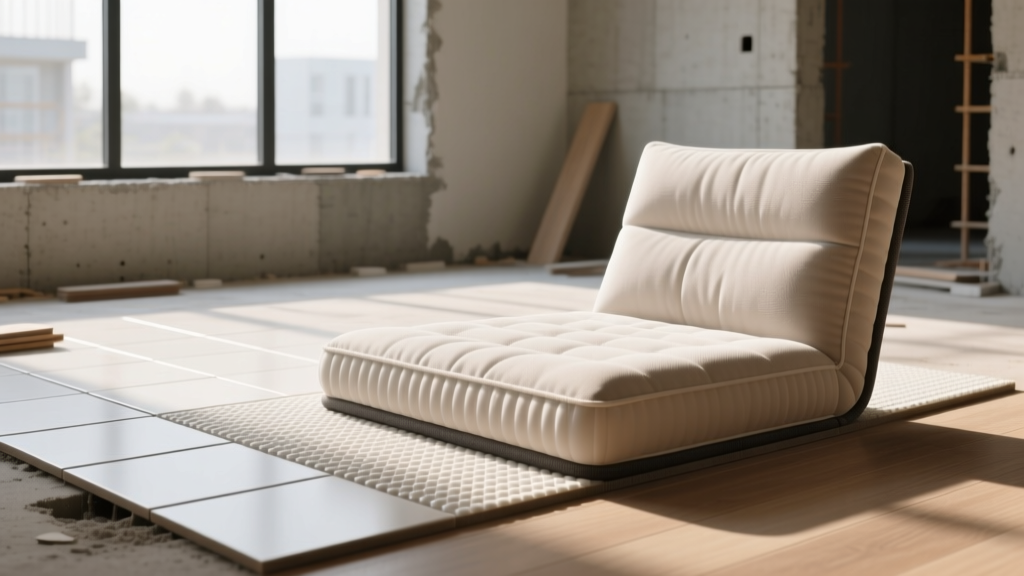
Material Anatomy: Why Cushion Layers Demand Specific Care
The term "floor cushion" in the building materials industry typically refers to two distinct product categories: cushion-backed resilient sheet vinyl (often called cushion floor) and interlocking EVA (Ethylene-Vinyl Acetate) foam tiles. While both provide underfoot comfort and acoustic dampening, their structural vulnerabilities require vastly different maintenance playbooks.
Cushion-backed vinyl utilizes a closed-cell foam or fiberglass backing bonded to a PVC wear layer. This backing is responsible for the floor's Impact Insulation Class (IIC) rating. Harsh alkaline cleaners and excessive heat can break down the plasticizers in this foam layer, leading to delamination and a permanent loss of acoustic properties. Conversely, EVA foam floor cushions are highly porous and sensitive to solvents. Citrus-based cleaners containing d-limonene will literally dissolve the cellular structure of EVA foam, causing permanent pitting and hardening.
The Routine Maintenance Playbook
Proper routine maintenance prevents the accumulation of abrasive grit that can micro-scratch the wear layer of vinyl or embed deeply into the pores of foam mats.
Cushion-Backed Sheet Vinyl Protocol
- Daily Dry Dusting: Use a microfiber dust mop treated with a neutral-pH dusting agent. Avoid treated cotton mops, as the oils can leave a residue that attracts dirt and dulls the urethane topcoat.
- Weekly Damp Mopping: Use a flat microfiber mop dampened with a pH-neutral cleaner (pH 7.0 to 8.0). The mop should be barely damp, not wet. Excess water can seep into the seams and degrade the adhesive bonding the cushion layer to the subfloor.
Interlocking EVA Foam Cushion Protocol
- Vacuuming: Use a vacuum with the beater bar disengaged. The rotating bristles of a standard vacuum head will fray the edges of the interlocking puzzle joints over time.
- Spot Cleaning: Wipe spills immediately with a cloth dampened with warm water and a single drop of mild dish soap (pH 6.5 to 7.5). Never allow liquid to pool in the interlocking seams.
Never use a steam mop on any floor cushion surface. Steam mops generate heat exceeding 212°F (100°C) at the nozzle. On cushion-backed vinyl, this heat softens the PVC wear layer and melts the closed-cell foam backing, causing permanent bubbling and delamination. On EVA foam tiles, high-heat steam accelerates the off-gassing of the material and causes the tiles to warp and lose their interlocking tension.
Deep Cleaning and Stain Removal Matrix
When routine cleaning fails, targeted stain removal is necessary. The following matrix outlines safe chemical interventions based on the specific floor cushion material.
| Stain Type | Cushion-Backed Vinyl Solution | EVA Foam Cushion Solution | Chemicals to Avoid |
|---|---|---|---|
| Rubber Scuff Marks | Tennis ball rubbed on mark, or isopropyl alcohol (70%) on a microfiber cloth. | Gentle abrasion with a dry melamine sponge (no water/chemicals). | Acetone, paint thinner, mineral spirits. |
| Grease / Cooking Oil | Alkaline degreaser (pH 9.0 max), rinsed immediately with clean water. | Warm water with a few drops of Dawn dish soap; blot, do not scrub. | Ammonia-based cleaners, undiluted bleach. |
| Crayon / Ink | Isopropyl alcohol applied to a cotton swab, dabbed gently. | 90% Isopropyl alcohol on a Q-tip; test in an inconspicuous area first. | Nail polish remover, abrasive scrubbing pads. |
| Hard Water / Mineral | White vinegar diluted 1:4 with water, left for 3 minutes, then wiped. | Do not use acids on EVA foam. Use a specialized hard water stain remover safe for plastics. | Concentrated hydrochloric acid, CLR (Calcium, Lime, Rust) undiluted. |
Moisture Management and Subfloor Protection
The most catastrophic failure mode for floor cushions is not surface damage, but subfloor degradation caused by trapped moisture. Because cushion layers act as thermal and acoustic insulators, they also act as vapor barriers. If moisture becomes trapped beneath the cushion, it cannot evaporate, leading to rapid mold growth and wood subfloor rot.
The Quarterly EVA Foam Lift-and-Dry
Interlocking foam floor cushions installed over concrete or wood subfloors must be partially disassembled every 90 days. Pull back the perimeter tiles and use a pinless moisture meter to test the exposed subfloor. For wood subfloors, moisture content must remain below 12%. For concrete, the reading should be below 4% (CM method). If readings are elevated, leave the tiles removed for 48 hours with a dehumidifier running in the room. Refer to the EPA mold cleanup guidelines if you detect musty odors or visible fungal growth beneath the mats.
Seam Sealing for Cushion-Backed Vinyl
Sheet vinyl with a cushion backing is often installed with heat-welded seams or chemical cold-weld liquid. Over time, foot traffic and cleaning chemicals can degrade these seams. Inspect seams bi-annually. If you notice the seam lifting or the cushion backing becoming visible, apply a flexible, clear polyurethane seam sealer immediately to prevent mop water from infiltrating the subfloor.
Chemical Compatibility and the IIC Rating
Maintaining the acoustic performance of your floor cushion requires protecting the chemical integrity of the backing. The Impact Insulation Class (IIC) rating of a cushion floor relies on the elasticity of the foam backing. When consumers use high-pH strippers (pH 11+) or solvent-based polishes, they extract the plasticizers from the PVC and foam layers. This causes the cushion to become brittle, effectively reducing the floor's IIC rating and increasing impact noise transfer to the rooms below.
Always select cleaning agents verified by the EPA Safer Choice program or those explicitly labeled as "safe for resilient vinyl and urethane finishes." Avoid any product that promises to "restore shine" through acrylic polymer buildup, as these require harsh alkaline strippers for eventual removal, which will destroy the cushion layer.
Frequently Asked Questions
Can I use a Magic Eraser on cushion-backed vinyl?
No. Melamine sponges (Magic Erasers) act like ultra-fine sandpaper. While they will remove scuffs, they will also permanently micro-abrade the urethane wear layer of the vinyl, leaving a dull, matte spot that will attract dirt much faster than the surrounding floor.
Why are my EVA foam floor cushions shrinking and pulling apart?
EVA foam is highly sensitive to UV radiation and thermal expansion. If the cushions are installed in a sunroom or near large south-facing windows, UV exposure will break down the polymer chains, causing the tiles to shrink and pull apart at the interlocking joints. Install UV-blocking window film or use interlocking PVC tiles instead of EVA in high-sun areas.
How do I remove adhesive residue left under a removed floor cushion?
If you are removing an old cushion-backed vinyl and encounter dried cutback adhesive on the subfloor, do not use chemical solvents, as they will penetrate the wood grain and prevent new adhesives from bonding. Instead, use a floor scraper with a razor blade for mechanical removal, followed by a light sanding with a 60-grit orbital sander to prepare the subfloor for new materials.