Flooring Mosaic Tiles: Top Brands, Costs & Slip Ratings (2026)
Compare top brands for flooring mosaic tiles in 2026. Analyze costs, DCOF slip ratings, and installation specs for porcelain, glass, and stone.
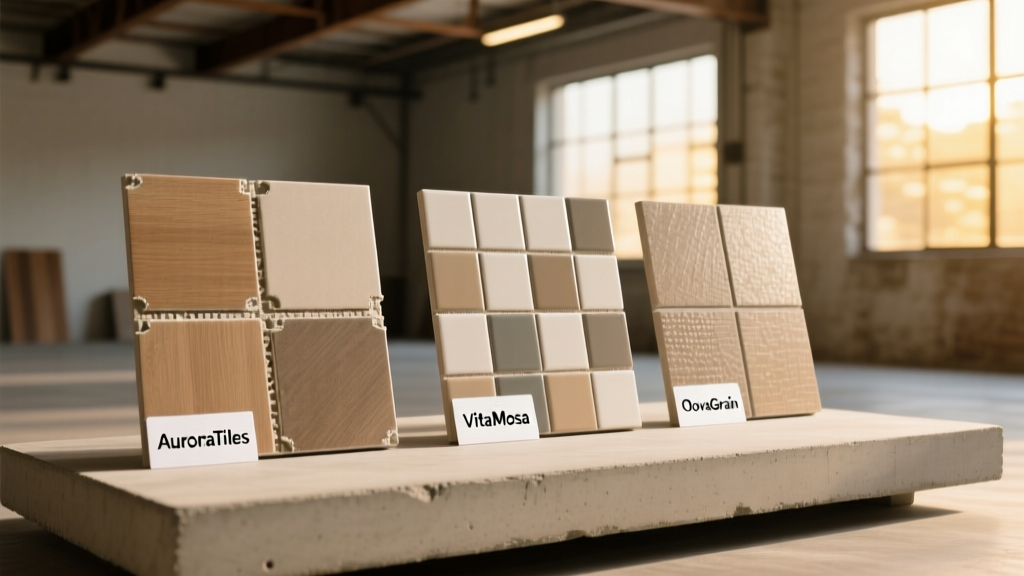
The Engineering Behind Flooring Mosaic Tiles
When specifying flooring mosaic tiles, the primary engineering challenge is managing the high grout-to-tile ratio and the mesh-backing substrate. Unlike large-format tiles, mosaics (typically defined as tiles with a facial area of 9 square inches or less) rely heavily on the grout joints for structural cohesion and slip resistance. In 2026, the market has shifted heavily toward sheet-mounted mosaics utilizing polyurethane or fiberglass mesh rather than traditional paper-faced or dot-mounted systems. However, the adhesive used to bind the tiles to the mesh can sometimes act as a bond-breaker if it is water-soluble and reactivates upon contact with modified thinset mortars. Understanding the interplay between the tile material, the mesh adhesive, and the setting bed is critical for preventing delamination in high-traffic or wet environments.
Brand Deep-Dive: Porcelain, Glass, and Natural Stone
Not all mosaic lines are engineered for floor applications. Wall-rated mosaics often lack the necessary Dynamic Coefficient of Friction (DCOF) and abrasion resistance (PEI rating) required for foot traffic. Below is a technical breakdown of top-tier manufacturers and their specific floor-rated product lines.
Daltile: Keystone and Artigiano Lines
Daltile remains a dominant force in commercial and residential porcelain mosaics. The Keystone line offers 1x1 and 2x2 unglazed porcelain mosaics that are through-body colored, meaning surface chips do not reveal a different clay body underneath. These tiles consistently achieve a DCOF of 0.60 or higher, making them ideal for commercial wet areas. The Artigiano line introduces glazed, handcrafted-look porcelain mosaics. While aesthetically superior for residential master baths, installers must verify the specific DCOF of the chosen colorway, as high-gloss glazes in the Artigiano line can drop below the 0.42 safety threshold when wet.
Crossville: Virtue and Mosaic Collections
Crossville’s Virtue collection blends glass and stone on a single mesh sheet, creating a multi-textured surface. The inclusion of natural stone inherently increases the surface micro-texture, boosting slip resistance compared to pure glass sheets. For pure glass mosaics, Crossville recommends their frosted or acid-etched finishes for floors. According to the Crossville technical guidelines, clear or highly polished glass mosaics should be strictly limited to wall applications or low-traffic dry residential powder rooms due to severe hydroplaning risks.
New Ravenna: Waterjet Stone Mosaics
For luxury natural stone applications, New Ravenna’s waterjet-cut mosaics represent the pinnacle of precision. Unlike traditional die-cut stone, waterjet cutting allows for micro-tolerances (under 1/32 of an inch) and intricate interlocking geometries without the need for wide grout joints. Their Basalt and Thassos marble blends are highly sought after. However, natural stone mosaics require strict moisture management; installers must use a white, polymer-modified thinset to prevent shadowing and ensure the stone is pre-sealed with a penetrating impregnator to block grout pigmentation.
Never install polished glass mosaics on a shower floor. Even with a steep slope, water creates a hydrodynamic film on smooth glass. If a client insists on glass, specify a heavily textured, frosted, or grip-finished glass tile, and mandate a minimum grout joint of 1/8 inch to provide mechanical traction.
2026 Cost & Material Comparison Matrix
Pricing for flooring mosaic tiles varies wildly based on material composition and manufacturing origin. The following matrix reflects average 2026 material costs (excluding installation, thinset, and grout).
| Brand / Line | Material | Cost per Sq. Ft. | DCOF Rating | Best Application |
|---|---|---|---|---|
| Daltile Keystone | Unglazed Porcelain | $8.50 - $12.00 | ≥ 0.60 | Commercial wet areas, pool decks |
| Crossville Virtue | Glass / Stone Blend | $18.00 - $24.50 | 0.45 - 0.50 | Residential master baths, accent floors |
| New Ravenna Waterjet | Natural Marble / Basalt | $45.00 - $95.00 | 0.42 - 0.55 | Luxury foyers, dry-area bathroom floors |
| Oceanside Serene | Frosted Recycled Glass | $22.00 - $30.00 | 0.48 | Residential shower pans |
Slip Resistance: The DCOF Decision Framework
The Tile Council of North America (TCNA) and ANSI A326.3 standard dictate that the Dynamic Coefficient of Friction (DCOF) is the definitive metric for tile slip resistance. When selecting flooring mosaic tiles, use this framework to ensure code compliance and occupant safety:
- DCOF ≥ 0.42: The absolute minimum for standard, level interior floors (hallways, living rooms, dry bathrooms). Most polished natural stone mosaics fall exactly at this threshold.
- DCOF ≥ 0.50: Recommended for residential wet areas, such as shower pans and bathroom floors where water pooling is expected. Unglazed porcelain and textured glass meet this criteria.
- DCOF ≥ 0.60: Required for commercial wet areas, public pool decks, and exterior walkways subject to rain. Only specify unglazed, through-body porcelain or heavily abrasive aggregate mosaics here.
'While the ADA does not specify a precise DCOF number, the 0.42 threshold established by ANSI A326.3 has become the de facto legal standard for negligence claims in commercial slip-and-fall litigation.' — Industry Safety & Compliance Review, 2025
Installation Specs: Thinset, Trowels, and Grout Selection
Installing sheet-mounted mosaics requires a fundamentally different approach than large-format tile. The high density of grout joints means the setting bed must be perfectly flat; otherwise, the flexible mesh will conform to substrate imperfections, resulting in a wavy, uneven floor surface.
1. Mortar Selection (Thinset)
For porcelain mosaics, an ANSI A118.4 modified dry-set mortar is sufficient. However, for glass or light-colored natural stone mosaics, you must use a premium ANSI A118.15 improved modified mortar in white. Gray thinset will shadow through glass tiles and cause a muddy, discolored appearance. Brands like LATICRETE 254 Platinum or Custom Building Products MegaLite are industry standards for these applications.
2. Trowel Notch and Technique
Use a 1/4' x 3/16' V-notch or a 1/4' square-notch trowel. The critical step for mosaics is 'knocking down' the ridges. After combing the thinset, use the flat edge of the trowel to lightly flatten the ridges into a uniform layer. This prevents thinset from squeezing up into the 1/16' or 1/8' grout joints, which is a primary cause of grout discoloration and bond failure.
3. Grout Specifications
Because mosaics have exponentially more grout lines than standard tile, the grout itself becomes a structural and aesthetic focal point. For shower floors and high-moisture areas, specify an ANSI A118.3 Epoxy Grout (e.g., Spectralock or LATICRETE SpectraLOCK). Epoxy is impervious to water, resists staining, and will not harbor mold in the dense joint network of a mosaic floor. For dry areas, a high-performance ANSI A118.9 cementitious grout with an integrated polymer additive is acceptable and more cost-effective.
Troubleshooting Common Mosaic Floor Failures
- Mesh Delamination: Occurs when the adhesive on the back of the mesh dissolves into the thinset. Fix: Always perform a 24-hour water immersion test on a spare sheet of mosaic before installation. If the tiles fall off the mesh in water, the tile is wall-rated only and cannot be used on a floor.
- Grout Haze on Glass/Polished Stone: Epoxy and cementitious grouts can permanently etch or leave a stubborn film on glass and polished marble. Fix: Apply a temporary, water-soluble grout release agent to the face of the tiles prior to grouting, and use a specialized epoxy haze remover within 24 hours of application.
- Lippage and Wavy Surfaces: Caused by applying thinset over an uneven substrate. The mesh will telegraph every dip and hump. Fix: The substrate must be flattened to 1/8' in 10 feet using a self-leveling underlayment (SLU) before any mosaic installation begins.
Frequently Asked Questions
Can wall-rated mosaic tiles be used on residential bathroom floors?
Technically, they can be installed, but it is highly discouraged. Wall-rated mosaics often have a DCOF below 0.42 and a PEI rating of 0 or 1, meaning the glaze will scratch and wear away rapidly under foot traffic. Furthermore, if a slip-and-fall injury occurs, using wall-rated tiles on a floor voids most manufacturer warranties and creates severe liability exposure.
What is the minimum grout joint size for sheet-mounted flooring mosaics?
Never install mosaics with a 'butt joint' (zero grout line). The TCNA mandates a minimum grout joint of 1/16 inch for rectified tiles and 1/8 inch for non-rectified or natural stone mosaics. This joint is necessary to accommodate thermal expansion, structural deflection, and to provide essential micro-traction for slip resistance.