Folex Instant Carpet Spot Remover: Advanced Stain Cleaning Playbook
Master Folex Instant Carpet Spot Remover with our expert playbook. Learn dwell times, fiber compatibility, and no-rinse techniques to save your carpets.
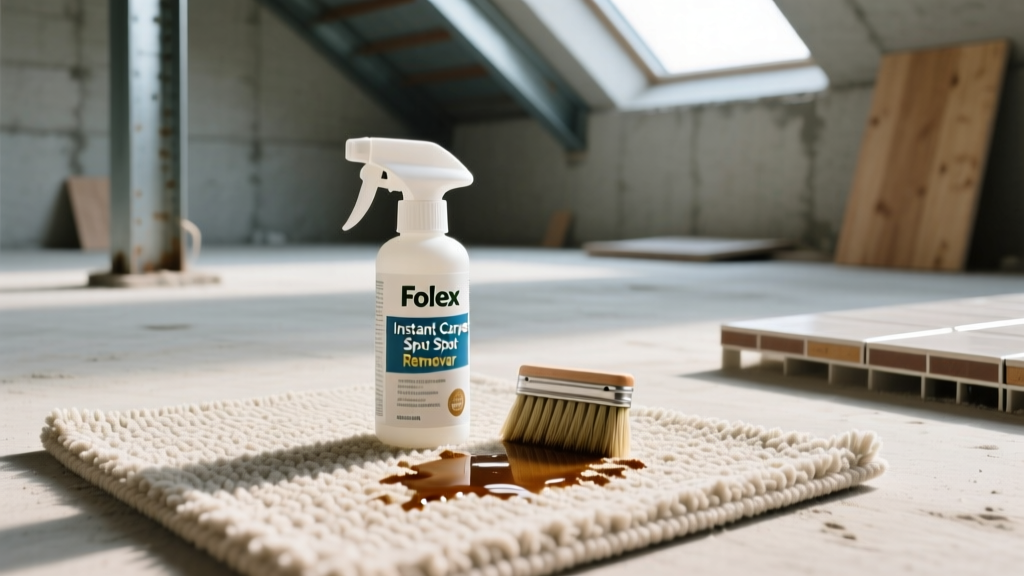
Folex Instant Carpet Spot Remover operates on a fundamentally different chemical premise than standard oxygenated or enzymatic cleaners. While consumer-grade spot treatments often rely on high-alkaline solvents or oxidizing agents that require thorough rinsing to prevent rapid resoiling, Folex utilizes a proprietary non-ionic surfactant blend. This formulation reduces the surface tension of water, allowing it to penetrate carpet fibers, encapsulate hydrophobic and hydrophilic soils, and release them into the extraction towel without leaving a sticky polymer residue. For flooring maintenance professionals and homeowners alike, understanding the precise application mechanics of this no-rinse formula is critical to preventing fiber damage and ensuring permanent stain removal.
The Chemistry of No-Rinse Cleaning
The most common failure mode in DIY carpet cleaning is rapid resoiling. This occurs when alkaline detergents are sprayed onto a stain but not thoroughly rinsed out with hot water extraction. The leftover detergent residue dries into a tacky, sticky film that acts as a magnet for dry particulate soil from foot traffic. According to the Carpet and Rug Institute (CRI), residue-induced resoiling is the primary reason homeowners believe a stain has "returned" after cleaning.
Folex circumvents this issue through its neutral pH (approximately 7.0) and non-ionic surfactant structure. Because it lacks the heavy polymers and alkaline builders found in traditional spot lifters, it dries into a brittle, non-tacky state. The mechanical action of blotting physically removes the encapsulated soil and the surfactant simultaneously, eliminating the need for a secondary rinse cycle that risks overwetting the carpet pad.
Fiber Compatibility Matrix
Not all carpet fibers react identically to moisture and mechanical agitation. While Folex is chemically safe for almost all synthetic and natural fibers due to its neutral pH, the volume of liquid and the agitation method must be adjusted based on the fiber type. The Institute of Inspection, Cleaning and Restoration Certification (IICRC) S100 standard emphasizes matching cleaning protocols to specific textile constructions.
| Fiber Type | Folex Safety Rating | Specific Application Caveats |
|---|---|---|
| Nylon 6,6 | Excellent | Highly resilient. Can withstand standard spray volumes and moderate mechanical agitation with a spotting brush. |
| Polyester (PET) | Excellent | Inherently stain-resistant but highly oleophilic (attracts oil). Folex works well on organic stains, but heavy grease may require a solvent preconditioner first. |
| Olefin (Polypropylene) | Good | Low moisture absorption. Avoid over-saturating, as the liquid will bypass the fiber and pool directly into the backing, increasing wicking risk. |
| Wool | Caution | Chemically safe (pH neutral), but wool is highly sensitive to overwetting and aggressive scrubbing. Use minimal spray volume and blot gently to prevent scale formation and fiber distortion. |
The 4-Step Folex Application Playbook
Achieving permanent removal requires strict adherence to a sequential extraction process. Skipping the mechanical extraction step is the primary cause of failed spot treatments.
- Mechanical Extraction (Blotting): Never apply Folex to a wet, unblotted spill. Use a dry, white microfiber towel to apply downward pressure and absorb as much free liquid as possible. Rubbing will fray the carpet yarns and push the stain deeper into the backing.
- Targeted Application: Hold the Folex nozzle 6 to 8 inches from the carpet surface. Apply 3 to 4 sprays per 4x4 inch area. The goal is to dampen the fibers and the primary backing, not to flood the underlying polyurethane pad.
- Dwell and Agitation: Allow the product to dwell (specific times detailed below based on stain type). Gently agitate using a white microfiber cloth or a soft-bristle nylon spotting brush in a circular motion to work the surfactant into the yarn twist.
- The Weighted Blot: Fold a dry white towel into quarters, place it over the treated area, and apply heavy downward pressure (using your body weight or a weighted object). Repeat with a dry section of the towel until no more moisture transfers.
Playbook A: Tannin & Dye Stains (Red Wine, Coffee, Berry Juice)
Tannins are complex plant-based polyphenols that bind aggressively to synthetic fibers, particularly nylon. Dwell Time: 60 to 120 seconds. Do not allow Folex to dry on a tannin stain. After the 2-minute dwell, blot firmly. If a faint shadow remains, reapply a single misting, wait 30 seconds, and blot again. Avoid using hot water in conjunction with Folex on tannin stains, as heat can set the dye permanently.
Playbook B: Organic & Pet Stains (Urine, Vomit, Feces)
Proteins and uric acid crystals require thorough encapsulation. Dwell Time: 3 to 5 minutes. Folex will effectively remove the visible organic matter and the associated surface odor by lifting the source material. However, if pet urine has penetrated through the primary backing and pooled in the carpet pad, Folex alone cannot reach it. In cases of deep pad saturation, use Folex to clean the surface fibers first, then follow up with a dedicated enzymatic sub-surface injection treatment.
Playbook C: Lipid & Grease Stains (Butter, Cooking Oil, Makeup)
Oils repel water-based surfactants. Dwell Time: 5 to 10 minutes. To assist the Folex formula, gently scrape off any solid lipid matter with a dull edge (like a plastic putty knife) before spraying. The extended dwell time allows the non-ionic surfactants to slowly emulsify the oil molecules. Agitation with a soft brush is mandatory for lipid stains to physically break the oil's surface tension.
Troubleshooting Common Failure Modes
If a stain appears to "return" 24 to 48 hours after cleaning, you are experiencing wicking. This happens when too much Folex was applied, causing the liquid to carry dissolved soil down into the carpet pad. As the carpet dries, capillary action draws the moisture—and the soil—back up to the tip of the fibers. Fix: Mist the area lightly with plain water, blot heavily, and place a stack of dry white paper towels weighted down by a heavy book overnight to absorb the deep moisture.
Older carpets or those with natural jute backings contain lignin, a natural polymer that turns brown when wet and exposed to alkaline conditions. While Folex is pH neutral, overwetting the jute backing can still trigger slow-drying browning. Always use the minimum effective volume of Folex and maximize air circulation (using fans) to accelerate drying times and prevent lignin oxidation.
Cost and Efficacy Analysis: Spot Treatment vs. Professional Extraction
Understanding the economic threshold between DIY spot treatment and professional intervention is essential for facility managers and homeowners. A standard 32 oz bottle of Folex retails for approximately $12 to $15 and yields roughly 40 to 50 targeted spot treatments, bringing the cost per incident to under $0.35.
Conversely, calling a professional IICRC-certified technician for a localized spot removal call-out typically incurs a minimum trip charge of $125 to $175, regardless of the stain's size. Professional hot water extraction is necessary when a stain covers an area larger than 2 square feet, when the carpet pad is heavily saturated with biohazardous materials, or when structural delamination of the carpet backing has occurred. For isolated, surface-level spills, the Folex no-rinse protocol provides professional-grade encapsulation at a fraction of the operational cost, provided the mechanical extraction steps are rigorously followed.