Top Shag Carpet Brands and Product Lines for 2026
Compare top luxury shag carpet brands and product lines. Expert analysis of Shaw, Mohawk, and Karastan piles, fiber types, and pricing.
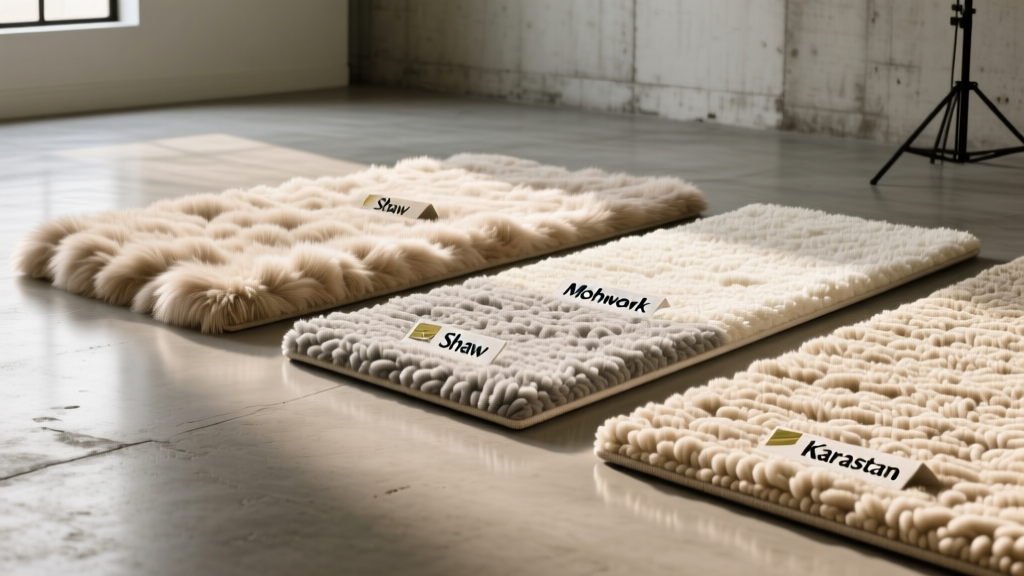
The Anatomy of Modern Shag: Density vs. Pile Height
Shag carpet has entirely transcended its 1970s reputation, evolving into a high-performance luxury flooring category driven by advanced polymer science and precision tufting. When evaluating shag carpet for residential or boutique commercial spaces in 2026, the critical metric is not just pile height, but the ratio of face weight to stitch rate. Modern luxury shag typically features a pile height between 1.0 and 2.5 inches, but maintaining structural integrity requires a face weight of at least 45 to 70 ounces per square yard.
Unlike tightly twisted friezes or low-profile saxony carpets, shag fibers are lightly heat-set or completely untwisted to achieve their signature relaxed, shaggy aesthetic. This lack of tight twist makes the fiber inherently vulnerable to matting and crushing if the tuft density (stitches per inch) is too low. High-end manufacturers compensate for this by utilizing thicker denier yarns and advanced backing systems to lock the heavy fibers in place, preventing the shedding and delamination that plagued cheaper shag carpets in previous decades.
Brand Deep-Dive: Shaw Floors
Shaw Floors remains a dominant force in the broadloom market, leveraging their proprietary SoftBac Platinum backing system across many of their premium residential lines. For shag carpet, this backing is crucial; the heavy face weight of deep-pile shag places immense lateral stress on the carpet backing during foot traffic. SoftBac Platinum utilizes a high-density woven polypropylene secondary backing that resists wrinkling and buckling far better than traditional action-back or felt-backed alternatives.
Key Product Lines
- Shaw Living Tufted Textures: This line features solution-dyed polyester (PET) shags with pile heights reaching 1.5 inches. The solution-dyeing process means the color is embedded in the polymer melt, offering exceptional resistance to bleach and UV fading. Expect pricing between $45 and $65 per square yard.
- Shaw Anso Nylon Shags: For high-traffic areas where polyester might crush over time, Shaw utilizes Anso Nylon 6,6. These lines feature a slightly lower pile height (around 1.0 inch) but boast superior resilience and memory retention. Pricing ranges from $60 to $85 per square yard.
Brand Deep-Dive: Mohawk Industries
Mohawk’s primary competitive advantage in the luxury shag segment is their exclusive use of Triexta, marketed under the SmartStrand brand name. Triexta (polytrimethylene terephthalate, or PTT) is a distinct polymer class recognized by the FTC, offering the durability of nylon with the inherent stain resistance of polyester, but without the need for topical chemical treatments that degrade over time.
Key Product Lines
- SmartStrand Silk Reserve Shag: This ultra-plush line pushes face weights up to 65 ounces. The Triexta fiber has a natural kink at the molecular level, which acts like a microscopic spring, allowing the deep pile to bounce back after heavy furniture compression. Retail pricing sits at $55 to $95 per square yard.
- Aladdin Commercial Shags: While Aladdin is Mohawk’s commercial division, their high-density, low-luster shags are increasingly specified in luxury multi-family housing and boutique hospitality projects. These feature tighter stitch rates to withstand rolling loads and heavy foot traffic, typically priced around $40 to $60 per square yard.
Brand Deep-Dive: Karastan & The Dixie Home
For projects demanding natural fibers and heirloom-quality construction, Karastan (now part of the Dixie Home portfolio) sets the benchmark with their woven and tufted wool shags. Wool shags operate on a completely different maintenance and performance paradigm than synthetic alternatives.
New Zealand wool, favored by Karastan for its long staple length and high lanolin content, naturally resists liquid stains and dirt adhesion. However, wool shags are highly susceptible to alkaline cleaning agents, which can strip the natural lanolin and cause the fibers to become brittle. According to guidelines from the Environmental Protection Agency (EPA), natural fiber flooring also contributes positively to indoor air quality by trapping particulate matter, provided it is maintained with HEPA-filtered vacuuming.
- Karastan Woven Wool Shags: True woven construction (like Wilton or Axminster weaves) locks the wool yarn through the warp and weft, eliminating the need for latex adhesives entirely. This makes them exceptionally durable and eco-friendly. Pricing is premium, ranging from $110 to $180+ per square yard.
2026 Shag Carpet Product Line Matrix
| Brand | Product Line | Primary Fiber | Pile Height | Face Weight | Est. Price / Sq. Yd. |
|---|---|---|---|---|---|
| Shaw Floors | Tufted Textures | Solution-Dyed PET | 1.5" | 50 oz | $45 - $65 |
| Shaw Floors | Anso Nylon Plush | Nylon 6,6 | 1.0" | 55 oz | $60 - $85 |
| Mohawk | SmartStrand Silk Reserve | Triexta (PTT) | 1.25" | 65 oz | $55 - $95 |
| Mohawk | Aladdin Commercial | Nylon 6 | 0.75" | 40 oz | $40 - $60 |
| Karastan | Woven Wool Shag | New Zealand Wool | 1.5" | 60 oz | $110 - $180+ |
The Shag Pad Paradox: Avoiding Delamination
The most frequent installation failure with shag carpet stems from a fundamental misunderstanding of padding dynamics. Consumers and inexperienced installers often assume that a thick, luxurious carpet requires a thick, plush pad to match. This is a critical error that leads to catastrophic delamination.
Furthermore, when installing heavy shag carpets over concrete subfloors, moisture testing is non-negotiable. The dense, thick pile of shag carpet restricts airflow, meaning any moisture vapor emitting from the concrete will become trapped against the backing, leading to mold growth and adhesive degradation. Always perform an ASTM F2170 relative humidity test on concrete slabs before installation.
Maintenance Realities and Failure Modes
Shag carpet requires a paradigm shift in daily maintenance. The primary failure mode for synthetic shags is matting and tip-fusion, where friction and body oils cause the untwisted fiber tips to tangle and lock together into hard clumps.
Vacuuming Protocols
According to the Carpet and Rug Institute (CRI), vacuuming deep-pile carpets requires specific equipment settings. You must disable the beater bar (rotating brush) on your vacuum cleaner. A beater bar will aggressively pull and stretch the long, untwisted shag fibers, causing premature fuzzing, shedding, and eventual structural damage to the tuft bind. Use a suction-only vacuum head or a vacuum with an adjustable height setting raised to its maximum clearance level.
Carpet Raking
To prevent matting in high-traffic pathways, integrate a carpet rake into your monthly maintenance routine. A carpet rake with flexible nylon tines lifts the crushed fibers, separates tangled tips, and redistributes the pile to maintain the uniform, luxurious appearance of the shag.
Frequently Asked Questions
Is shag carpet suitable for homes with pets?
Generally, no. The long, untwisted fibers of shag carpet are highly susceptible to snagging from pet claws, which can pull entire tufts out of the backing. Additionally, pet accidents are difficult to extract fully from a 1.5-inch pile, leading to trapped moisture and odor in the pad. If you must have shag with pets, opt for a lower-profile (under 1 inch) Triexta or Nylon shag with a moisture-barrier pad.
How do I remove indentations from heavy furniture?
For synthetic shags (PET, Nylon, Triexta), place an ice cube in the indentation and let it melt completely. The moisture will cause the synthetic fibers to swell and regain their shape. Blot the excess water with a microfiber towel and gently lift the fibers with your fingers or a carpet rake. For wool shags, avoid the ice cube method; instead, use a steam iron held two inches above the carpet to introduce steam, then gently brush the fibers upright.
Does shag carpet harbor more allergens than hard surface flooring?
While shag carpet does trap more particulate matter than hardwood or tile, this is actually a benefit for indoor air quality if maintained correctly. The deep pile holds dust, dander, and pollen out of the breathing zone, preventing it from becoming airborne with every footstep. However, this requires strict adherence to HEPA-filtered vacuuming and professional hot-water extraction every 12 to 18 months to prevent the carpet from becoming a saturated reservoir for allergens.