Prevent Carpet Bugs: Subfloor Prep and Installation Guide
Learn how to prevent carpet bugs during installation. Expert subfloor prep, bug-resistant padding choices, and sealing techniques for pest-free floors.
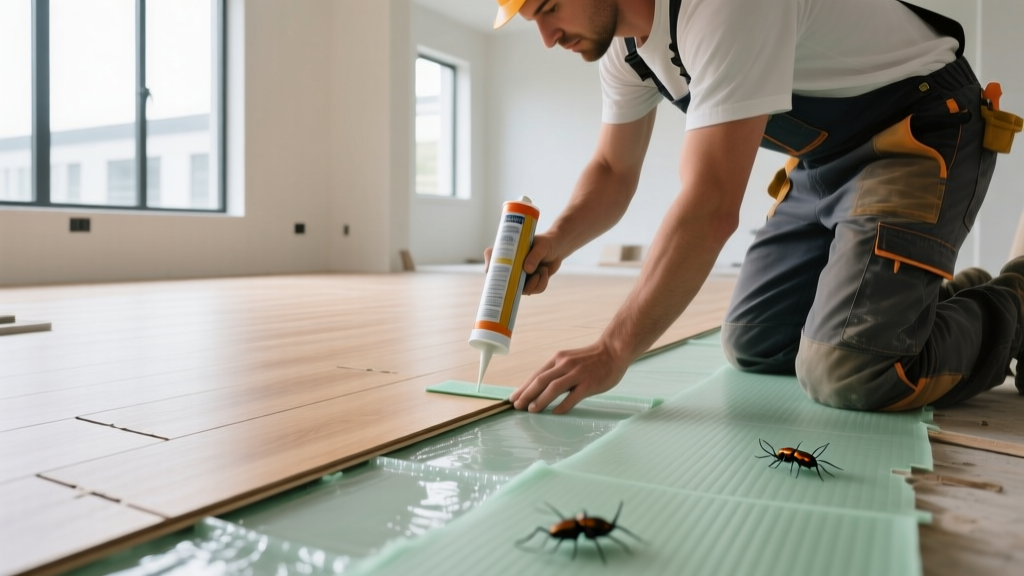
The Hidden Threat: Why Installation Dictates Pest Vulnerability
Carpet bugs—primarily the larvae of the varied carpet beetle (Anthrenus verbasci) and the webbing clothes moth (Tineola bisselliella)—are rarely a product defect. Instead, they are an installation and environmental failure. These keratin-eating insects exploit microscopic gaps, organic debris left beneath the padding, and improper perimeter sealing to establish hidden colonies. According to the National Pest Management Association (NPMA), carpet beetle larvae can cause irreversible damage to natural fiber flooring within months if left undetected under the carpet surface.
For flooring contractors and DIY installers, preventing carpet bugs begins long before the carpet is unrolled. It requires a systematic approach to subfloor preparation, material selection, and edge-sealing techniques that eliminate the dark, undisturbed micro-habitats these pests require to thrive.
Pre-Installation Subfloor Preparation Protocol
The subfloor is the primary staging ground for pest infestations. Organic dust, pet dander, and dead skin cells trapped in the porous surface of OSB or plywood subfloors provide an initial food source for larvae. Follow this strict preparation sequence before laying any moisture barrier or padding:
- Deep HEPA Vacuuming: Standard shop vacuums exhaust fine particulate matter back into the room. Use a commercial HEPA-filtered vacuum to extract microscopic organic debris from the subfloor pores and perimeter joist gaps.
- Moisture Testing: Use a pin-type moisture meter. Wood subfloors must read below 12% moisture content. Damp wood attracts pests and promotes fungal growth, which degrades the subfloor and voids carpet warranties.
- Borate Application: Apply a disodium octaborate tetrahydrate (DOT) solution, such as Bora-Care or Tim-bor, directly to the bare wood. Borates are highly toxic to insect digestive systems but have low mammalian toxicity. Apply at a rate of 1 gallon per 200 square feet for raw, unsealed wood.
- Perimeter Gap Sealing: Inspect the gap between the subfloor and the bottom plate of the drywall. Seal any voids larger than 1/8 inch using a high-quality polyurethane acoustic caulk to block pest entry from wall cavities.
Subfloor Treatment Options and Cost Matrix
Selecting the right preventative treatment depends on the subfloor material and the severity of the local pest pressure. Below is a cost and application matrix for 2026 subfloor treatments:
| Treatment Type | Active Ingredient | Avg. Cost (per sq. ft.) | Longevity |
|---|---|---|---|
| Liquid Borate (e.g., Bora-Care) | Disodium Octaborate Tetrahydrate | $0.65 - $0.90 | Permanent (penetrates wood) |
| Powdered Borate (e.g., Tim-bor) | Disodium Octaborate Tetrahydrate | $0.40 - $0.60 | Permanent (if kept dry) |
| Permethrin Surface Spray | Synthetic Pyrethroid | $0.30 - $0.50 | 3 - 6 Months |
| Diatomaceous Earth (Food Grade) | Amorphous Silica | $0.15 - $0.25 | Permanent (if kept dry) |
Selecting Bug-Resistant Underlayments and Carpets
Material selection is your second line of defense. The University of California Agriculture and Natural Resources (UC ANR) notes that carpet beetle larvae specifically target animal-based proteins. Therefore, the composition of both your carpet and your padding dictates its vulnerability.
Underlayment Selection
- Avoid: Organic felt pads, jute backing, or hair-based cushions. These contain animal proteins and cellulose that can harbor pests if moisture is introduced.
- Specify: 100% synthetic rebond (polyurethane foam) or vulcanized rubber underlayments. Products like Roberts Super Felt Premium Cushion (which utilizes synthetic fibers) or premium rubber pads offer zero nutritional value to keratin-eating larvae.
Carpet Fiber Vulnerability Matrix
- Wool (High Risk): Natural wool is pure keratin. If a client insists on wool, you must specify factory-treated, moth-proofed wool (typically treated with permethrin during the manufacturing process). Untreated wool is a severe liability in pest-prone regions.
- Nylon 6,6 (Zero Risk): Synthetic nylon is completely indigestible to carpet bugs. It is the gold standard for pest-prone environments.
- Polyester / PET (Zero Risk): Like nylon, polyester offers no nutritional value to pests and inherently resists biological degradation.
- Triexta (Zero Risk): PTT (polytrimethylene terephthalate) fibers are highly stain-resistant and biologically inert to insect larvae.
Application Procedures: Sealing the Perimeter and Power Stretching
Even with a treated subfloor and synthetic materials, poor installation techniques can create physical harborage zones. Adhering to the Carpet and Rug Institute (CRI) 105 Installation Standard is critical for pest exclusion.
The Power Stretching Imperative
Carpet bugs thrive in loose, wrinkled carpet where larvae can crawl beneath the surface to feed undisturbed. You must use a mechanical power stretcher, not just a knee kicker, to achieve the proper tension. The carpet should be stretched to a minimum of 1% to 2% elongation beyond its cut dimensions. This locks the carpet tightly against the subfloor, eliminating the micro-voids that larvae use to navigate and feed. After stretching, use a wall trimmer to cut the excess, and a stair tool to forcefully wedge the carpet edge into the gap between the tack strip and the wall, ensuring a hermetic seal at the perimeter.
Post-Installation Inspection Checklist
Before signing off on the installation, conduct this 4-point pest-prevention audit:
- Perimeter Tuck Check: Run a putty knife along all baseboards. The carpet edge should be fully submerged in the tack strip gap with no exposed backing.
- Transition Strip Sealing: Verify that all transition moldings (e.g., Z-bars at doorways) are tightly screwed down. Apply a bead of clear silicone under the metal track if the subfloor is uneven to prevent bugs from crawling under the threshold.
- Vent and Register Gaps: Ensure HVAC floor registers sit flush. Apply weatherstripping tape to the underside of the register flange if it rocks or leaves a gap against the carpet.
- Surface Debris Removal: Perform a final vacuum with a beater-bar attachment to extract any installation debris, synthetic lint, or drywall dust that could attract adult beetles looking for a place to lay eggs.
Frequently Asked Questions
Can I install carpet directly over a concrete slab without worrying about bugs?
While concrete itself is inorganic, carpet bugs can still infest the carpet fibers and padding above the slab. Furthermore, if the concrete has moisture issues, it can promote mold in organic padding, which attracts secondary pests. Always use a 6-mil polyethylene vapor barrier and a synthetic rubber pad over concrete slabs.
Do carpet bugs eat synthetic carpets?
No. Carpet beetle larvae and moth larvae lack the enzymes to digest synthetic polymers like nylon, polyester, or triexta. However, they may still build nests in the dark voids beneath loosely installed synthetic carpets if they are feeding on adjacent organic materials (like wool baseboards or pet hair trapped in the fibers).
How long does a borate subfloor treatment last?
When applied to bare, unsealed wood and kept dry beneath a vapor barrier, liquid borate treatments diffuse into the wood cellular structure and remain active for the lifetime of the subfloor. They do not off-gas or degrade over time, making them a permanent, one-time installation investment.