Best Kitchen Carpet Runner Brands & Lines for 2026
Compare top 2026 kitchen carpet runner brands like Ruggable, Mohawk, and Shaw. Deep dive into fibers, pricing, and stain-resistant technologies.
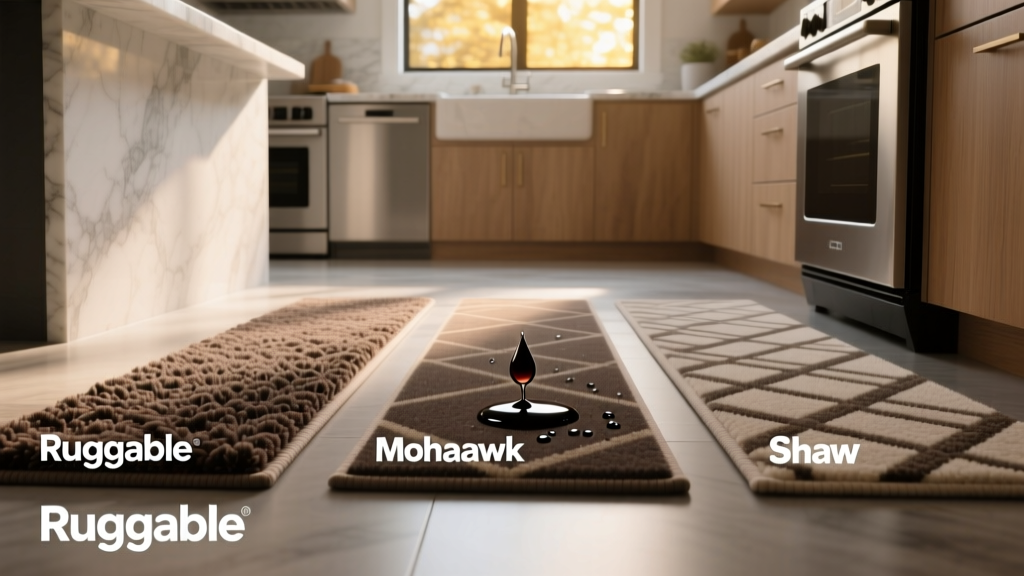
The Case for Kitchen Carpet Runners in 2026
Hard surface flooring like porcelain tile and engineered hardwood dominates kitchen design, but standing on unyielding surfaces for extended periods causes significant joint fatigue and acoustic reverberation. A high-performance kitchen carpet runner bridges this gap, providing crucial anti-fatigue cushioning, dampening the sound of dropped utensils, and adding thermal insulation. However, the kitchen is a high-risk environment for flooring: it faces constant exposure to cooking oils, acidic spills, heavy foot traffic, and fluctuating humidity levels. Selecting the wrong fiber or backing system will result in permanent staining, mold growth, or ruined hardwood finishes. This deep-dive analyzes the top kitchen carpet runner brands and specific product lines available in 2026, focusing on fiber chemistry, stain-blocking technology, and structural durability.
Fiber Chemistry: What Actually Survives a Kitchen?
Before evaluating brands, you must understand the polymer science dictating kitchen carpet performance. The three dominant fibers in this space behave entirely differently when exposed to culinary messes.
1. Triexta (PTT Polymer): The Inherent Stain Blocker
Triexta (polytrimethylene terephthalate) is a subclass of polyester, but its molecular structure features a unique 'kinked' spring-like chain. This gives it the memory and resilience of nylon with the inherent stain resistance of polyester. Crucially, Triexta has a 0% moisture absorption rate. Because the fiber itself is hydrophobic, liquids sit on the surface rather than penetrating the core. Furthermore, because its stain resistance is built into the polymer rather than applied as a topical coating, it will not degrade from harsh alkaline kitchen cleaners.
2. Solution-Dyed Nylon 6,6: The Heavy-Duty Standard
Nylon 6,6 is the most durable synthetic carpet fiber available, offering superior crush resistance in high-traffic kitchen aisles. For kitchens, you must specifically seek solution-dyed nylon, where the color pigment is added to the liquid polymer before the fiber is extruded. This means the color goes all the way through the fiber, allowing you to clean severe stains (like turmeric or tomato sauce) with diluted bleach solutions without stripping the color. Standard piece-dyed nylon will fade and blotch under aggressive kitchen cleaning protocols.
3. Washable Synthetics (PET and Blends): The Modular Approach
Polyethylene terephthalate (PET) is inherently hydrophobic but highly oleophilic—meaning it repels water but aggressively attracts and holds onto cooking oils. Historically, PET was a poor choice for kitchens. However, modern washable rug brands have circumvented this by utilizing ultra-low pile heights and modular designs that allow the entire runner to be laundered in a standard washing machine, physically removing the trapped oils rather than relying on chemical spot-cleaning.
Never place a kitchen runner with a traditional waffle-pattern rubber or PVC backing directly over polyurethane-finished hardwood. The plasticizers and clay fillers in cheap rubber backings migrate into the wood finish over time, causing irreversible yellowing, chemical etching, and finish delamination. Always use 100% synthetic needle-punch felt, breathable polyurethane, or TPE (Thermoplastic Elastomer) backings.
Brand Deep-Dive: Top Kitchen Carpet Runner Lines
Ruggable: The Washable Disruptor
Ruggable revolutionized the washable rug market, and their specific kitchen runner lines remain the top choice for renters and homeowners who prioritize effortless sanitation over traditional carpet plushness. Their system consists of a lightweight polyester cover that clings to a reusable pad via a proprietary micro-hook surface tension system.
- Best Line: The Cushioned Kitchen Runner (available in 2.5x8 and 2.5x10 dimensions).
- Pad Specs: The cushioned pad features a polyurethane foam core (2/5-inch thick) with a TPE (Thermoplastic Elastomer) non-slip bottom. TPE is hardwood-safe and will not off-gas VOCs or degrade into sticky residues.
- Performance: The low-pile polyester cover sheds crumbs easily and fits in a standard large-capacity washing machine. However, the 2/5-inch pad thickness may interfere with standard 3.5-inch cabinet toe-kick clearances.
- 2026 Pricing: $180 - $260 per runner, depending on the designer collaboration pattern.
Mohawk SmartStrand: The Triexta Powerhouse
Mohawk holds the exclusive rights to DuPont's Sorona polymer, marketed as SmartStrand. For kitchens, this is arguably the most resilient traditional broadloom carpet option available, offering the plushness of a premium rug with the indestructibility of a commercial floor.
- Best Line: SmartStrand All Pet (cut and bound into custom runners by local dealers).
- Fiber Specs: 100% Triexta. It features a tightly twisted frieze or low-profile saxony cut to prevent crushing under heavy kitchen appliance traffic.
- Stain Protocol: Because Triexta lacks dye sites, culinary dyes (red wine, curry, berry juices) physically cannot bond to the fiber. Spills wipe away with just water and a microfiber cloth.
- 2026 Pricing: $5.50 - $8.50 per square foot (material only), plus $2.00 - $4.00 per linear foot for professional serging and binding to create a custom runner.
Shaw Floors: The Solution-Dyed Nylon Standard
Shaw's approach to kitchen runners relies on the sheer mechanical durability of Nylon 6,6 combined with their proprietary R2X nanotechnology. R2X is not a topical spray; it is a molecular-level treatment applied during fiber extrusion that coats the entire fiber shaft, repelling both water and oil-based kitchen stains.
- Best Line: Anso Nylon with R2X (specifically the low-pile commercial-grade patterns).
- Fiber Specs: Solution-dyed Nylon 6,6. This allows homeowners to use a 50/50 water-and-bleach solution to obliterate set-in tomato or chili stains without voiding the warranty.
- Performance: Superior crush resistance compared to Triexta and PET. If your kitchen runner sits in a high-pivot zone (e.g., in front of the sink or stove), Anso Nylon will maintain its structural integrity longest.
- 2026 Pricing: $4.00 - $7.00 per square foot.
Karastan: The Luxury Blend
For high-end kitchens where aesthetic integration with luxury interior design is paramount, Karastan (a Mohawk subsidiary) offers premium runners that blend natural and synthetic fibers.
- Best Line: SmartStrand Luxe or their premium Wool-Blend flatweaves.
- Fiber Specs: While their Triexta lines offer synthetic durability, their wool-blend flatweaves provide an organic, high-end look. Note that wool requires specialized, pH-neutral enzymatic cleaners for protein-based kitchen spills (dairy, meat juices).
- 2026 Pricing: $12.00 - $25.00+ per square foot for pre-finished luxury runners.
2026 Kitchen Runner Comparison Matrix
| Brand / Line | Primary Fiber | Oil Stain Resistance | Bleach Cleanable? | Washable? | Est. Cost (2.5x8 Runner) |
|---|---|---|---|---|---|
| Ruggable Cushioned | PET Polyester | Moderate (Requires Wash) | No | Yes (Machine) | $210 - $250 |
| Mohawk SmartStrand | Triexta (PTT) | Exceptional (Inherent) | No (Unnecessary) | No (Spot Clean) | $140 - $190 |
| Shaw Anso Nylon | Solution-Dyed Nylon | High (R2X Treated) | Yes | No (Spot Clean) | $110 - $160 |
| Karastan Luxe | Triexta / Wool Blend | High (Triexta) / Low (Wool) | No | No (Professional) | $300 - $500+ |
Sizing, Padding, and Installation Specifics
A kitchen runner that is improperly sized or padded will become a tripping hazard and damage your subfloor. Follow these exact specifications for 2026 kitchen layouts:
Dimensional Clearances
The standard minimum clearance for a kitchen work aisle is 36 inches (per NKBA guidelines), though 42 to 48 inches is preferred for multi-cook kitchens. Your runner should be exactly 24 to 27 inches wide. This leaves a minimum of 4.5 to 7.5 inches of exposed hard flooring on either side, creating a visually balanced border and ensuring the runner does not interfere with the swing radius of base cabinet doors or dishwasher pull-outs.
The Padding Imperative
For traditional broadloom runners (Mohawk, Shaw), you must use a separate pad. According to the Carpet and Rug Institute (CRI), using the correct cushion extends carpet life by up to 50% by absorbing impact energy. For kitchens, specify a 40-ounce synthetic needle-punch felt pad or a breathable polyurethane foam pad with a maximum thickness of 1/4 inch. This low profile ensures the carpet edge will not create a severe transition trip hazard and allows the runner to slide under standard cabinet toe-kicks if necessary.
VOC Considerations
Kitchens are highly ventilated, but you still must monitor indoor air quality when introducing new textiles. The Environmental Protection Agency (EPA) notes that new flooring products can off-gas volatile organic compounds (VOCs). Always demand runners and pads that carry the CRI Green Label Plus certification, ensuring VOC emissions remain strictly below 0.5 mg/m³ after 14 days.
Maintenance Protocols for Kitchen Runners
Kitchen runners require a different maintenance cadence than bedroom or living room carpets due to the presence of atomized cooking oils and high particulate dirt from entryways.
- Daily Dry Soil Removal: Atomized cooking oil acts as a magnet for dust and dirt. Vacuum the runner daily using a suction-only vacuum head. Never use a beater-bar (rotating brush) on low-pile kitchen runners, as the aggressive bristles will fray the serged edges and cause the binding tape to delaminate over time.
- Weekly Degreasing: Once a week, lightly mist the runner with a pH-neutral (7.0) encapsulating cleaner. These polymers crystallize around oil and dirt particles, which are then easily vacuumed away once dry.
- Immediate Acid Spill Protocol: If vinegar, lemon juice, or tomato sauce spills, blot—do not rub—with a white microfiber towel. Rubbing generates heat and friction, forcing the acid into the base of the yarn where it can degrade the backing latex. Neutralize acidic spills with a mild baking soda and water solution, then extract with a wet-vac.
Frequently Asked Questions
Can I put a kitchen carpet runner over radiant heated floors?
Yes, but with strict limitations. Radiant floor heating systems rely on unobstructed thermal transfer. A thick carpet and dense rubber pad will act as an insulator, trapping heat below the floor surface and potentially causing the heating elements to overheat or the hardwood above to warp. If you have radiant heat, use a low-pile runner (under 1/4 inch total thickness) with a highly breathable, open-weave felt pad, and ensure the runner does not cover more than 20% of the heated zone.
How do I stop the edges of my custom-bound runner from curling?
Edge curling (often called 'doming') occurs when the binding tape shrinks at a different rate than the carpet backing due to humidity fluctuations in the kitchen. To prevent this, ensure your fabricator uses a wide (1.5-inch to 2-inch) cotton-polyester blend binding tape applied with a flexible, hot-melt polyamide adhesive rather than rigid latex. If an existing runner curls, apply a damp towel to the curled edge and gently press it flat with a warm (not hot) iron to relax the adhesive, then weigh it down flat for 24 hours.
Is a flatweave rug better than a plush carpet runner for the kitchen?
Flatweaves (like dhurries or kilims) excel at hiding crumbs and allow for easy sweeping, but they offer virtually zero anti-fatigue support for standing at the stove or sink. Furthermore, the open weave of a flatweave allows liquid spills to instantly penetrate through to the subfloor or hardwood beneath. A tightly twisted, low-pile cut-and-loop synthetic carpet (like the Shaw Anso lines) provides the ideal compromise: enough density to block liquid penetration, enough cushion for ergonomics, and a low enough profile to resist crushing.