Olshan Foundation Repair Costs in 2026: Pricing & Value Analysis
Analyze 2026 Olshan foundation repair costs, proprietary pier pricing, and value comparisons against local contractors to budget your project.
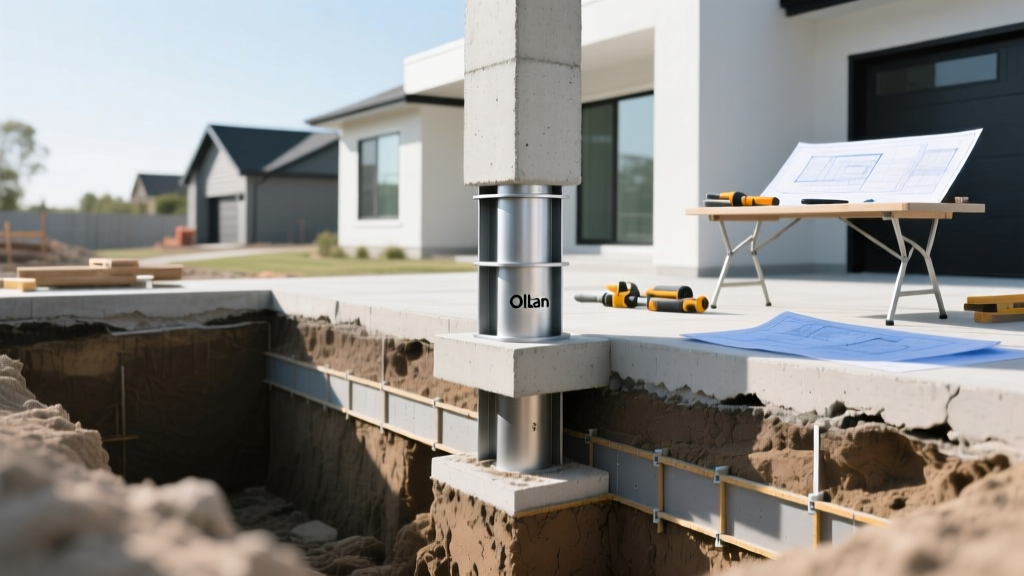
Olshan Foundation Repair operates as one of the largest structural stabilization contractors in North America. Because of their national footprint, corporate infrastructure, and proprietary repair systems, their pricing model differs significantly from local, independent foundation contractors. For homeowners evaluating Olshan foundation repair costs in 2026, understanding the premium attached to their proprietary technology, lifetime warranties, and corporate financing is critical before signing a contract.
This cost analysis deconstructs Olshan’s pricing structure, examines the specific dollar impact of their proprietary methods like the Cable Lock™ ST Plus system, and provides a decision framework to determine if their premium is justified for your specific soil conditions and structural needs.
The Baseline: Average Olshan Foundation Repair Costs
Foundation repair pricing is highly localized, dictated by regional soil mechanics (such as highly expansive Montmorillonite clay in Texas or frost-susceptible silts in the Midwest). However, based on 2026 national averages for corporate-backed structural stabilization, the baseline costs for an Olshan project typically fall into the following tiers:
| Project Scope | Estimated Cost Range | Primary Method |
|---|---|---|
| Minor Settlement (1-4 Piers) | $4,200 – $6,800 | Steel Resistance Piers |
| Moderate Perimeter (8-14 Piers) | $12,500 – $21,000 | Cable Lock™ ST Plus |
| Full Structural Overhaul (20+ Piers) | $28,000 – $55,000+ | Hybrid Piers + Interior Tunneling |
| Concrete Slab Leveling (PolyLift™) | $16 – $26 per sq. ft. | Polyurethane Foam Injection |
According to industry data tracked by Angi's foundation repair cost guide, the national average for foundation repair sits between $4,500 and $12,000. Olshan’s quotes frequently skew toward the higher end of this spectrum due to their minimum mobilization fees and the engineering overhead built into their corporate model.
Deconstructing Olshan’s Proprietary Methods and Pricing
Olshan relies heavily on proprietary, branded repair systems. Understanding the mechanics of these systems explains the per-pier cost premium compared to generic concrete pressed piles.
The Cable Lock™ ST Plus System
This is Olshan’s flagship hybrid pier. It combines traditional concrete cylinders with a high-tensile steel cable and a helical anchor at the base. The cable locks the concrete segments together, preventing the "stack of coins" shifting effect common in standard pressed concrete piles.
Cost Impact: Expect to pay $1,400 to $1,950 per pier for this system. The higher cost is justified in regions where the depth to bedrock (refusal) exceeds 25 feet, as the cable maintains structural integrity during deep hydraulic driving.
Helical Piers
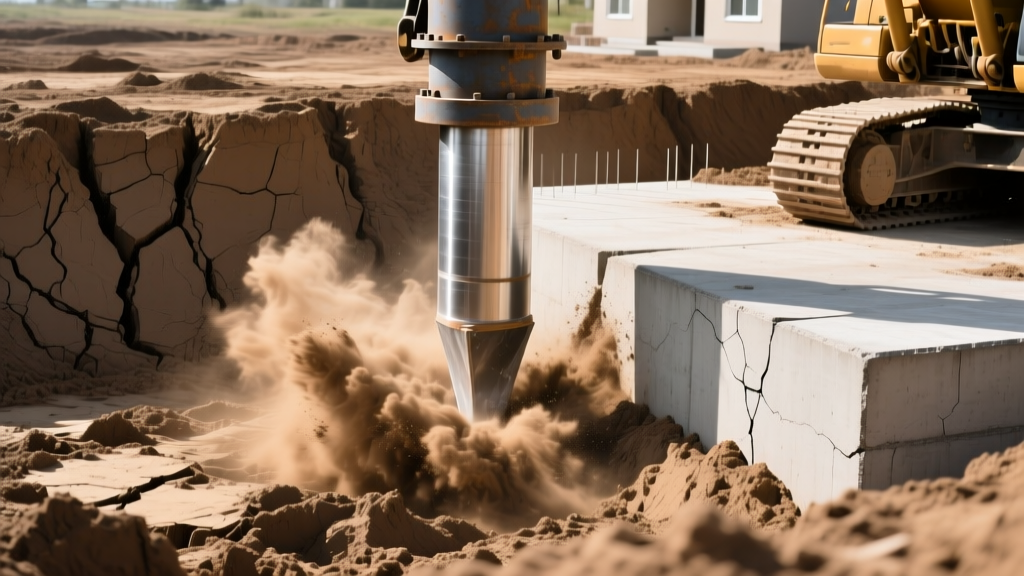
Used primarily for lighter structural loads, new construction retrofits, or areas with high water tables where concrete cannot be safely poured underground. Helical piers are screwed into the soil like a giant corkscrew until they reach load-bearing strata.
Cost Impact: $1,200 to $1,600 per pier. While the material cost is higher, installation is faster and requires less excavation, balancing the overall labor expense.
PolyLift™ Concrete Leveling
For non-structural slab settlement (driveways, garage floors, patios), Olshan uses high-density polyurethane foam injected through 5/8-inch holes. This foam expands and cures in minutes.
Cost Impact: $16 to $26 per square foot. While traditional mudjacking costs $8 to $12 per square foot, PolyLift™ is significantly lighter, won't wash away in high-moisture soils, and requires a fraction of the curing time.
The "Hidden" Cost Variables in Your Quote
The per-pier price is only one component of an Olshan estimate. Site-specific variables can drastically alter the final contract price.
Olshan’s standard contract typically excludes the removal and replacement of landscaping, HVAC units, or concrete walkways obstructing the foundation perimeter. Budget an additional $1,500 to $4,000 for third-party contractors to safely relocate and restore these elements post-repair.
- Interior vs. Exterior Access: If interior slab piers are required, Olshan must tunnel beneath the grade beam. Tunneling costs average $800 to $1,200 per tunnel due to the manual labor and confined-space safety protocols required.
- Depth to Refusal: In regions with deep alluvial soils, piers may need to be driven 40+ feet to reach load-bearing strata. Most quotes include a standard depth (e.g., 20 feet); every additional foot of steel or concrete can add $60 to $110 per foot.
- Structural Engineering Reports: While Olshan provides in-house evaluations, many municipalities or lenders require a stamped report from an independent Professional Engineer (PE). Budget $600 to $900 for an independent PE assessment.
Value Matrix: Olshan vs. Local Independent Contractors
Is the Olshan premium worth it? The answer depends on how you weigh long-term warranty security against immediate capital outlay.
| Feature | Olshan Foundation Repair | Local Independent Contractor |
|---|---|---|
| Price Per Pier | $1,400 – $1,950 | $900 – $1,300 |
| Warranty Structure | Lifetime, transferable, backed by national corporate entity | 5-25 years, reliant on local business survival |
| Financing Options | In-house corporate financing & partnered HELOCs | Third-party point-of-sale loans (e.g., GreenSky) |
| Mobilization Fee | High (Corporate overhead) | Low to None |
Financing the Repair: Economics of a Major Project
A $25,000 foundation repair is a major capital expenditure. How you finance this project impacts the true cost of the repair over time. According to the Consumer Financial Protection Bureau (CFPB), leveraging home equity is generally the most cost-effective route for structural repairs.
- HELOC (Home Equity Line of Credit): Best for projects over $15,000. Interest is often tax-deductible if the funds improve the home's structure. Variable rates in 2026 average 8.5% - 10.5%.
- In-House Contractor Financing: Olshan frequently offers promotional financing (e.g., 12 months same-as-cash). Warning: If the balance is not paid in full before the promotional period ends, retroactive interest (often 28%+) is applied to the original principal.
- FHA 203(k) Loan: Ideal if you are purchasing a distressed property that requires immediate foundation stabilization prior to move-in.
Decision Framework: Should You Hire Olshan?
Use this actionable framework to determine if Olshan’s pricing model aligns with your real estate strategy and structural requirements.
Scenario A: You Plan to Sell the Home in 1 to 5 Years
Verdict: Hire Olshan.
When selling a home with a history of foundation repair, buyer apprehension is high. Olshan’s Lifetime Transferable Warranty is a recognized, corporate-backed asset that can ease buyer concerns and prevent price renegotiations during the inspection period. The 20% to 30% cost premium is offset by the preservation of your home's resale value and marketability.
Scenario B: You Are Holding the Property Long-Term on a Strict Budget
Verdict: Use a Local Contractor + Independent PE.
If you plan to live in the home for 15+ years and need to minimize immediate capital outlay, hire a reputable local contractor. To ensure quality, hire an independent Professional Engineer (costing ~$700) to write the repair specification and inspect the local contractor's work upon completion. This achieves structural stability at a lower cost, though the warranty will only be valid as long as the local contractor remains in business.
Scenario C: The Home is on Deep, Unstable Alluvial Soil
Verdict: Hire Olshan (or a specialized deep-foundation firm).
If geotechnical reports indicate that load-bearing bedrock is 35+ feet below grade, standard pressed concrete piles will fail. Olshan’s Cable Lock™ ST Plus system and heavy-duty helical piers are engineered for deep refusal. In this edge case, the proprietary technology justifies the higher per-pier cost, as verified by deep foundation load-testing standards outlined by the FEMA Building Science division regarding structural resilience in high-risk soil zones.
Written by
James ThorntonJames Thornton is a construction industry veteran with 25 years of hands-on experience in wood framing, lumber grading, and residential building codes. He started as a framing carpenter in rural Oregon, earned his ICC Residential Building Inspector certification, and eventually became a senior plan reviewer for the City of Portland Bureau of Development Services. James holds a B.S. in Wood Science & Technology from Oregon State University and is a certified lumber grader through the West Coast Lumber Inspection Bureau (WCLIB). He has inspected over 3,000 residential construction sites and authored the city's internal guide on advanced framing techniques (2x6 at 24" O.C.). James lives in Bend, OR, where he builds custom timber-frame cabins and competes in lumberjack sports.
More from James Thornton
View all
Insulation
Best Home Insulation Materials: Complete 2026 Guide
Compare top home insulation materials for 2026. Find R-values, installed costs per square foot, and best uses for fiberglass, spray foam, and mineral wool.
Aug 4, 2026

Sustainable Building
Certify Your Green Building Material for LEED and WELL
Step-by-step guide to certifying a green building material for LEED v5 and WELL v2. Master EPDs, HPDs, and VOC limits for 2026 project specifications.
Aug 4, 2026

Stone & Masonry
Veneer Stacked Stone Panels: Interior Design & Style Showcase
Discover how veneer stacked stone panels transform interiors. Explore modern design profiles, material pairings, and technical installation specs.
Aug 4, 2026