Wood Shingles Application Guide: Best Climates and Roof Pitches
Discover if wood shingles fit your project. We match cedar and redwood shingles to ideal climates, roof pitches, and architectural styles today.
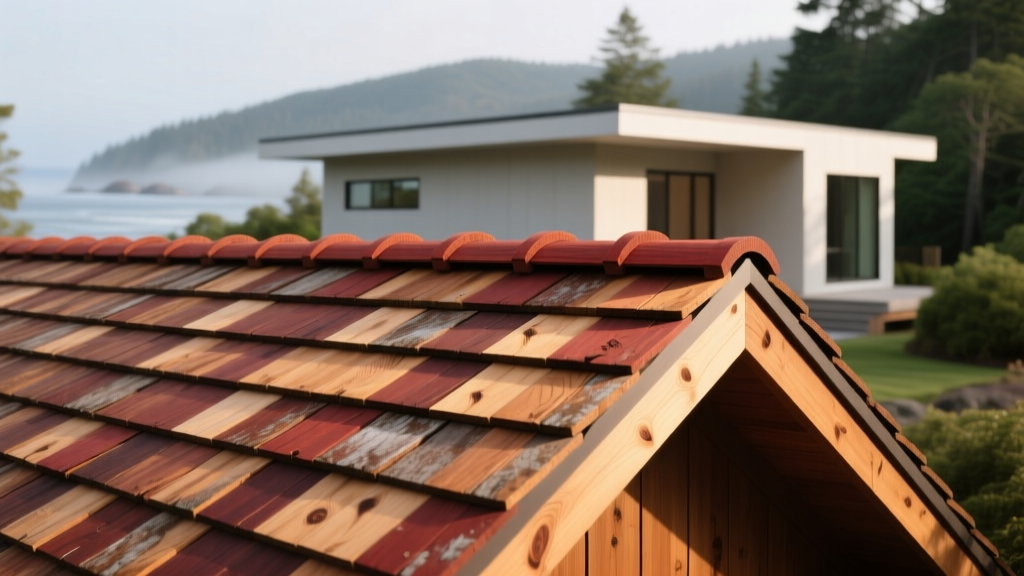
The Application-Fit Matrix for Wood Shingles
Wood shingles offer unparalleled natural aesthetics and excellent insulation properties, but their performance is strictly dictated by environmental and structural variables. Unlike asphalt or metal, wood is a hygroscopic material that expands, contracts, and breathes with ambient moisture. Specifying wood shingles for the wrong climate or roof geometry guarantees premature failure, cupping, and rot. Before committing to a wood roof, evaluate your project against this scenario-matching matrix to determine if the material aligns with your site conditions.
| Scenario Variable | Ideal Conditions for Wood Shingles | High-Risk / Avoid Conditions |
|---|---|---|
| Climate | Temperate, coastal, moderate freeze-thaw cycles, consistent breezes | High humidity with zero airflow, extreme arid UV zones, heavy ice dam regions |
| Roof Pitch | 4:12 or steeper (6:12+ preferred for rapid drainage) | Below 3:12 (requires specialized double-course solid sheathing and membranes) |
| Canopy / Debris | Open sky, minimal overhanging branches | Dense pine/oak canopy dropping needles and leaves that trap moisture |
| Fire Zone | Non-WUI (Wildland-Urban Interface) zones, or areas allowing Class B treated wood | Strict WUI zones requiring Class A assemblies (unless using specialized fire-retardant systems) |
Species Selection: Matching Wood to Environmental Stressors
Not all wood shingles are created equal. The species you select must match the specific biological and meteorological stressors of your region. According to the Cedar Shake & Shingle Bureau (CSSB), using the wrong species for a specific moisture profile is the leading cause of premature roof replacement.
Western Red Cedar (Thuja plicata): The Temperate All-Rounder
Western Red Cedar is the industry standard, prized for its high tannin content and natural extractives (thujaplicins) that act as built-in fungicides and insect repellents. It performs exceptionally well in coastal environments and temperate rainforests (like the Pacific Northwest). However, it is relatively soft. In high-hail regions or areas with severe mechanical impact risks (e.g., falling branches), Western Red Cedar can split. Always specify 100% edge-grain (vertical grain) Premium Grade; flat-grain shingles will cup and curl as they absorb and release moisture unevenly.
Alaskan Yellow Cedar (Callitropsis nootkatensis): The Moisture Fighter
Denser and harder than its red counterpart, Alaskan Yellow Cedar contains less tannin but offers superior structural rigidity and resistance to moisture absorption. This is the mandatory choice for roofs in regions with prolonged wet seasons, heavy fog, or where the roof pitch is on the lower end of the acceptable spectrum (4:12 to 5:12). Its tight growth rings and high density make it highly resistant to the moss and lichen infiltration that plagues softer cedars in shaded environments.
Redwood and Teak: The Premium Tier
Heartwood Redwood shingles offer dimensional stability and rot resistance that rivals cedar, often used in high-end California architecture where local sourcing aligns with regional aesthetics. Teak shingles are the ultimate luxury application, featuring natural oils that render them virtually impervious to rot, insects, and UV degradation. Teak is specified almost exclusively for heritage restorations or ultra-luxury builds where the $25+ per square foot material cost is secondary to a 50-year lifecycle.
Roof Pitch and Architectural Scenario Matching
Wood shingles rely entirely on gravity and capillary break principles for water shedding. They are not a waterproof membrane; they are a water-shedding cladding. Therefore, the architectural geometry of the roof dictates their viability.
Steep Pitch & Coastal Scenarios (6:12 and above)
This is the optimal environment for wood shingles. Steep pitches ensure rapid water runoff, allowing the shingles to dry quickly between rain events. In coastal scenarios, the high wind velocities actually benefit the roof by forcing air through the natural gaps between the shingles, ventilating the underside of the roof deck and preventing condensation buildup. For these applications, use 16-inch or 18-inch shingles with a 5-inch to 5.5-inch weather exposure.
Low Pitch & High-Debris Scenarios (3:12 to 4:12)
Applying wood shingles to low-pitch roofs requires a fundamental shift in installation methodology. The CSSB mandates a double-coursing technique over solid sheathing, often paired with a breathable synthetic underlayment to prevent water from tracking backward under the shingles via capillary action. If the roof is also subjected to high debris (pine needles, oak leaves), low-pitch wood roofs will fail. Debris dams water in the keyways (the gaps between shingles), keeping the wood perpetually wet and initiating brown rot. In these scenarios, switch to standing seam metal or synthetic slate.
Fire Ratings and Building Code Compliance
Untreated wood shingles carry a Class C fire rating, which is insufficient for many modern municipal codes, particularly in the Western United States where the Wildland-Urban Interface (WUI) codes are strictly enforced by the National Fire Protection Association (NFPA) and local authorities.
- Class C (Untreated): Acceptable in non-WUI zones. Relies on the natural mass of the wood to resist light flame exposure.
- Class B (Pressure-Treated): Shingles are impregnated with fire-retardant salts (like polymeric phosphates) in a pressurized cylinder. This is the standard for most WUI-adjacent zones. Note: These treatments can slightly accelerate the weathering process, turning the roof a silver-gray faster than untreated wood.
- Class A (Assembly-Rated): Achieving a Class A rating with wood shingles requires a specialized assembly, typically involving a fire-resistant underlayment (such as a gypsum-based or specialized fiberglass mat) beneath the shingles, combined with pressure-treated Class B shingles. This is required in high-risk wildfire zones like parts of California and Colorado.
2026 Cost Breakdown and Lifecycle ROI
Wood shingles are a premium investment. When calculating the ROI, factor in the lifecycle (30-40 years for properly maintained cedar) versus the initial capital outlay. Below is the current market pricing for material and professional installation.
| Material Species & Grade | Material Cost (per sq. ft.) | Installation Cost (per sq. ft.) | Total Installed Cost (per sq. ft.) |
|---|---|---|---|
| Western Red Cedar (Premium 100% Edge) | $4.50 - $6.00 | $4.50 - $6.50 | $9.00 - $12.50 |
| Alaskan Yellow Cedar (Premium) | $5.50 - $7.50 | $5.00 - $7.00 | $10.50 - $14.50 |
| Redwood Heartwood (Custom Mill) | $8.00 - $11.00 | $6.00 - $8.00 | $14.00 - $19.00 |
| Teak (Imported / Heritage Grade) | $18.00 - $25.00+ | $8.00 - $12.00 | $26.00 - $37.00+ |
Note: Costs do not include tear-off of existing roofing, decking repair, or specialized fire-retardant treatments, which add $1.50 to $3.00 per square foot.
Fasteners, Underlayment, and Ventilation Specifications
The most common cause of wood shingle failure is not the wood itself, but the corrosion of the fasteners holding it in place. Wood contains natural acids and moisture. Using standard galvanized nails will result in rust streaks and fastener pull-through within a decade.
Furthermore, wood shingles require a ventilated roof deck. Do not install them directly over solid plywood or OSB without an air gap. The industry best practice is to install spaced sheathing (1x4 boards with gaps equal to the weather exposure) or to use a specialized ventilated underlayment mesh (like Keene Dri-Deck) over solid sheathing. This allows air to circulate beneath the shingles, drying them from the bottom up and preventing the trapped moisture that leads to dry rot.
Maintenance Realities: The 5-Year Inspection Cycle
Wood roofs are not 'install and forget' systems. To achieve their maximum lifecycle, they require a structured maintenance protocol:
- Zinc or Copper Ridge Strips: Install these at the roof peak during construction. As rain washes over the metal, it deposits microscopic ions down the roof slope, naturally inhibiting moss, algae, and fungal growth.
- Biannual Debris Clearing: Valleys and chimneys must be cleared of leaves and pine needles every spring and fall. Trapped organic matter holds moisture against the wood, accelerating decay.
- Chemical Treatments (Year 10+): Depending on the climate, a professional application of a wood preservative and UV inhibitor may be required every 7 to 10 years to replenish the surface extractives that weather away. Avoid film-forming finishes like polyurethane or solid stains, which trap moisture inside the wood and cause catastrophic peeling and rot.
By matching the exact wood species, grade, and installation methodology to your specific climate and roof geometry, a wood shingle roof transitions from a high-maintenance liability to a durable, architecturally stunning asset that outlasts standard asphalt alternatives by decades.