Cupola Roof Durability: Material Lifespan and Failure Analysis
Analyze cupola roof durability across copper, aluminum, and wood. Discover material lifespans, common failure modes, and flashing best practices.
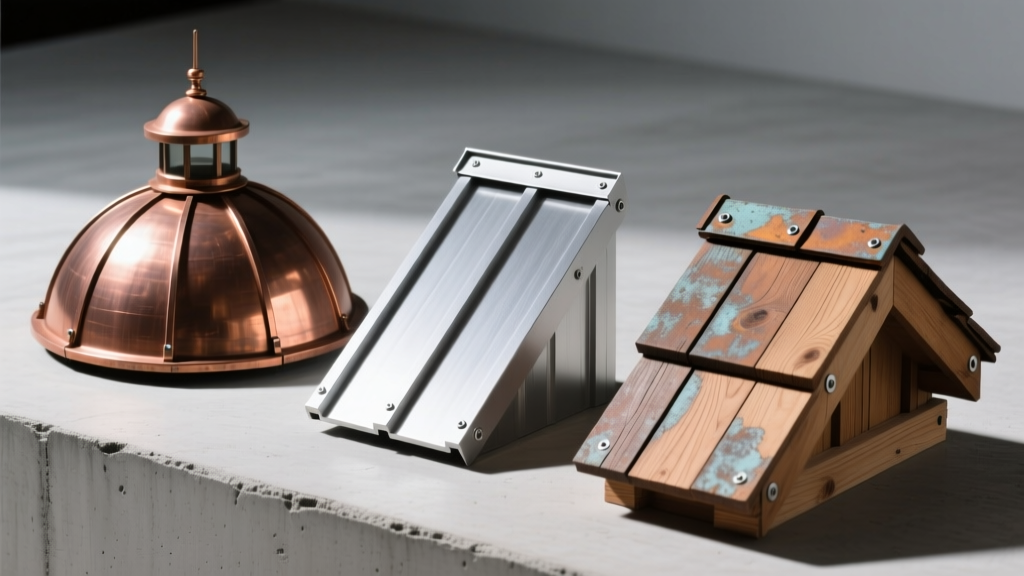
The Anatomy of Cupola Roof Degradation
A cupola roof is a secondary roofing system perched atop a primary roof structure, designed to house ventilation louvers or provide architectural symmetry. Because cupolas act as massive roof penetrations, their durability is rarely dictated by the roofing material itself. Instead, premature failure almost always originates at the intersection of the cupola base and the primary roof deck. The vertical walls of the cupola interrupt natural water runoff and snow shedding, creating localized microclimates of moisture accumulation, ice damming, and wind-driven rain intrusion.
When analyzing the lifespan of a cupola roof, contractors and building owners must evaluate two distinct systems: the exterior cladding (the mini-roof on top of the cupola) and the base flashing integration (where the cupola meets the primary roof). A copper cupola roof may possess a 100-year material lifespan, but if the base step flashing was installed without a cricket, the primary roof deck will rot in less than a decade, necessitating a full tear-off of the cupola structure.
Material Lifespan and Degradation Matrix
The choice of exterior cladding for the cupola roof dictates the maintenance cadence and the specific environmental stressors the structure will face. Below is a comparative analysis of the most common cupola roofing materials based on current 2026 market data and long-term weathering performance.
| Material | Expected Lifespan | 2026 Avg. Installed Cost | Primary Degradation Vector |
|---|---|---|---|
| Standing Seam Copper | 75–100+ Years | $1,200 – $2,500 | Galvanic corrosion from dissimilar fasteners; thermal expansion tearing at fixed clips. |
| Aluminum (Painted) | 30–50 Years | $600 – $1,100 | Chalking and UV fading of Kynar finishes; salt pitting in coastal environments. |
| Cedar Shakes | 20–30 Years | $800 – $1,400 | Capillary moisture retention leading to cupping, moss colonization, and fungal rot. |
| Architectural Asphalt | 15–25 Years | $300 – $600 | Thermal cracking on steep pitches; granule loss from concentrated water runoff. |
Warning: Galvanic Corrosion in Metal Cupolas
When installing a copper cupola roof, using standard galvanized steel or aluminum fasteners will trigger rapid galvanic corrosion. The copper acts as a cathode, stripping the zinc or aluminum from the fasteners and causing structural failure at the seams within 3 to 5 years. Always specify 16-gauge copper or hot-tinned brass fasteners for copper systems. According to the Copper Development Association (CDA), isolating copper from dissimilar metals using neoprene washers or specialized separation membranes is non-negotiable for long-term durability.
The 24-Inch Rule: Flashing and Cricket Integration
The most critical factor in cupola roof longevity is the management of water shedding off the primary roof and hitting the cupola base. The International Residential Code (IRC) mandates that any roof penetration wider than 24 inches must be equipped with a cricket (or saddle) on its upslope side. Because most functional cupolas range from 30 to 48 inches in width, a cricket is legally and structurally required.
A cricket is a small, peaked diversion structure built behind the cupola to split water flow and direct it around the sides. Without a cricket, water and snow accumulate in a dead valley behind the cupola. This leads to hydrostatic pressure pushing moisture under the shingles, eventually saturating the roof deck. The National Roofing Contractors Association (NRCA) Steep-Slope Manual explicitly details that step flashing alone is insufficient for wide penetrations without proper upslope diversion.
Flashing Best Practices for Cupola Bases
- Ice and Water Shield: Apply a minimum 36-inch wide peel-and-stick modified bitumen membrane over the entire cricket and extending 12 inches up the cupola walls before installing step flashing.
- Step Flashing Dimensions: Use 4x4 inch minimum L-shaped step flashing pieces interwoven with every course of primary shingles. Never use continuous L-flashing on the sides, as it prevents water from shedding over the shingles.
- Counter-Flashing: The vertical walls of the cupola must feature a reglet (a cut groove in the siding or masonry) where counter-flashing is inserted and sealed with polyurethane sealant, preventing wind-driven rain from bypassing the step flashing.
Wind Uplift and Structural Shear Failures
Cupolas act as architectural sails. Positioned at the ridge—the point of highest wind velocity and negative pressure on a roof—cupola roofs are highly susceptible to wind uplift and lateral shear. A cupola roof that detaches during a severe storm often takes the primary roof decking and trusses with it.
Durability against wind loads requires structural continuity. The cupola's internal framing (typically 2x4 or 2x6 studs) must not merely be toenailed to the primary roof ridge. It requires structural blocking or structural screws (such as 1/2-inch lag bolts or specialized structural connectors) tying the cupola base plate directly into the primary roof trusses or ridge beam. The mini-roof of the cupola must also be tied to the cupola walls using hurricane ties or continuous metal strapping to prevent the roof cap from shearing off during microbursts exceeding 90 mph.
Diagnostic Troubleshooting: Leak Tracing
When water intrusion is detected inside the building near a cupola, the instinct is often to blame the cupola roof material. However, systematic diagnostic tracing usually reveals failures at the base or the louver joints.
Symptom: Water stain on the ceiling directly below the cupola center.
Cause: Condensation or louver leakage. If the cupola houses exhaust fans or ridge vents, warm, moist interior air can condense on the uninsulated interior walls of the cupola and drip down. Alternatively, wind-driven rain is entering through the louver slats.
Fix: Install closed-cell spray foam insulation on the interior cupola walls to raise the dew point. Upgrade standard open louvers to baffled, weather-resistant louvers with internal water traps and weep holes.
Symptom: Rotting primary roof decking on the upslope side of the cupola.
Cause: Missing or undersized cricket. Debris (leaves, pine needles) accumulates behind the cupola, holding moisture against the primary shingles and accelerating asphalt degradation and wood rot.
Fix: Remove the upslope primary roofing materials. Frame a wood cricket pitched at a minimum 4:12 ratio, cover with ice and water shield, and integrate new step flashing. Install a debris guard or leaf screen on the upslope side if tree cover is heavy.
Symptom: Leaks occurring only during winter thaw cycles.
Cause: Ice damming at the cupola base. Cupolas interrupt the thermal envelope and roof slope, creating a prime location for snow to melt, run down, and refreeze at the unheated eaves of the cupola base.
Fix: Ensure continuous soffit-to-ridge ventilation inside the cupola structure to keep the roof surface cold. Apply a self-adhering polymer-modified bitumen membrane under the primary shingles extending 24 inches past the interior warm wall line.
Preventative Maintenance Cadence
To maximize the lifespan of any cupola roof system, a strict bi-annual inspection protocol is required. In early spring, inspect the upslope cricket for winter debris accumulation and verify that the polyurethane sealant in the counter-flashing reglets has not lost adhesion due to thermal cycling. In late autumn, check the fastener heads on metal cupola roofs for backing out—a common issue caused by the differential thermal expansion rates between the metal roofing panels and the wood framing beneath. Re-torque fasteners and apply a dab of high-modulus silicone sealant over the heads to prevent capillary water draw.
For historic structures utilizing slate or copper cupola roofs, refer to the National Park Service Preservation Brief 4 on Roofing for specialized guidance on maintaining historic metal seams and avoiding abrasive cleaning methods that strip protective patinas. Never use pressure washing on cedar or asphalt cupola roofs, as the concentrated water force will easily breach the step flashing and force moisture into the primary roof deck.