Delaying Roof Replacement Cost: A Maintenance Playbook
Learn how targeted maintenance and cleaning playbooks can delay your roof replacement cost, extending the life of shingles, metal, and flat membranes.
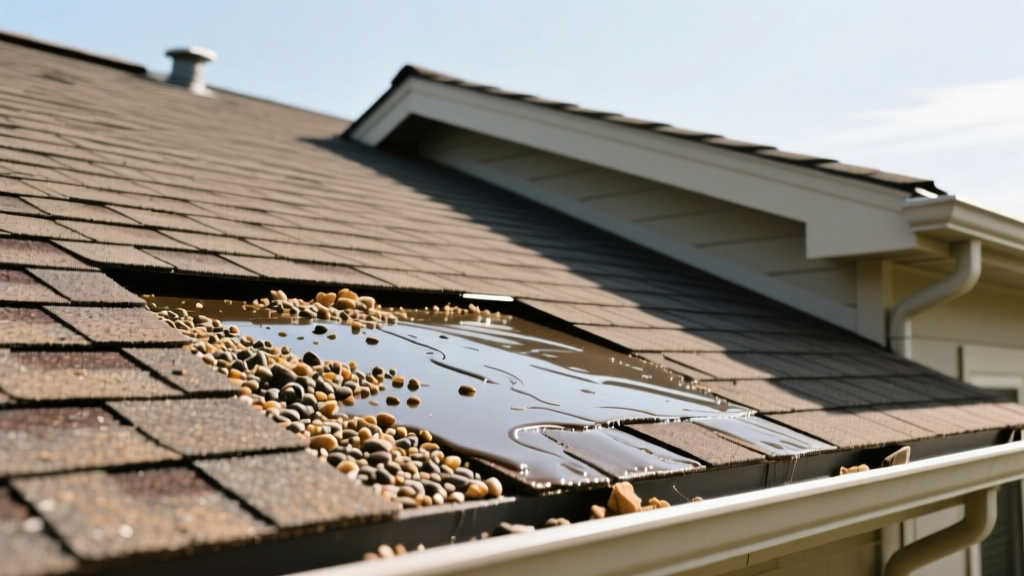
The Financial Reality: 2026 Roof Replacement Cost vs. Preventative Care
A full roof replacement is one of the most significant capital expenditures a property owner will face. In 2026, the average roof replacement cost for a standard 2,000-square-foot residential structure ranges from $12,500 for basic architectural asphalt shingles to over $45,000 for standing seam metal or specialized flat roof systems. However, the timeline to reach that massive expense is not strictly dictated by age; it is heavily influenced by surface degradation, biological growth, and chemical breakdown.
By implementing a rigorous, material-specific maintenance and cleaning playbook, property owners can extend the functional lifespan of their roofing systems by 5 to 12 years, effectively deferring the roof replacement cost and maximizing the return on investment. The National Roofing Contractors Association (NRCA) emphasizes that proactive maintenance is the single most effective variable in maximizing roof longevity.
| Roofing Material | Avg. 2026 Replacement Cost | 10-Year Maintenance Cost | Estimated Lifespan Extension |
|---|---|---|---|
| Architectural Asphalt Shingles | $12,500 - $18,000 | $2,500 - $4,000 | 5 - 8 Years |
| Standing Seam Metal (PVDF) | $28,000 - $45,000 | $1,800 - $3,000 | 10 - 15 Years |
| EPDM / TPO Flat Membrane | $14,000 - $22,000 | $3,500 - $5,500 | 7 - 10 Years |
Material-Specific Cleaning Playbooks
Generic cleaning advice damages roofing materials. A maintenance playbook must be tailored to the specific chemical and physical properties of the installed system.
Asphalt Shingles: The Soft-Wash & Zinc Protocol
The primary enemy of asphalt shingles is Gloeocapsa magma, a blue-green algae that feeds on the limestone filler in modern shingles, causing black streaks and accelerating granule loss.
- The Cleaning Agent: Never use a pressure washer. High-pressure water strips the protective ceramic granules, instantly voiding manufacturer warranties. Instead, use a low-pressure soft-wash system (under 100 PSI) applying a 50/50 mix of water and 5% sodium hypochlorite (standard laundry bleach) combined with a non-ionic surfactant to help the solution cling to the roof pitch.
- Dwell Time: Allow the solution to dwell for 15 to 20 minutes. Do not let it dry on the surface. Rinse thoroughly with a standard garden hose.
- Preventative Installation: Install 3-inch wide zinc or copper flashing strips directly below the ridge cap. As rain washes over the metal, it deposits microscopic ions down the roof plane, creating an alkaline environment that prevents algae spores from germinating.
Standing Seam Metal: Preserving PVDF Coatings
Modern metal roofs rely on Kynar 500 or Hylar 5000 PVDF (polyvinylidene fluoride) fluoropolymer coatings to resist UV fading and chalking. Harsh chemicals will degrade this resin.
- Washing Protocol: Wash the panels bi-annually using a pH-neutral car wash soap (such as Meguiar's Gold Class) and a microfiber mitt on an extension pole. Rinse from the ridge down to the eaves to prevent dirty water from drying in the vertical seams.
- Galvanic Isolation: During maintenance, ensure no dissimilar metals are introduced. Copper flashing or untreated steel debris left on a galvanized or Galvalume steel roof will cause rapid galvanic corrosion, eating through the metal and necessitating premature panel replacement.
EPDM & TPO Flat Roofs: Chemical Compatibility
Flat roofs are highly susceptible to ponding water and chemical breakdown. The cleaning playbook here is defined by what you must avoid.
- Safe Cleaners: Use dedicated EPDM cleaners or mild, non-abrasive detergents like Simple Green. Apply with a soft-bristle push broom.
- UV Protectants: For older EPDM roofs showing signs of surface checking (micro-cracking), apply a liquid EPDM roof coating or a specialized acrylic elastomeric topcoat to restore UV resistance and seal micro-fissures before they penetrate the scrim reinforcement layer.
Hidden Accelerators of Roof Degradation
Maintenance is not just about cleaning; it is about mitigating environmental accelerators that drive up the ultimate roof replacement cost. The U.S. Department of Energy notes that surface reflectivity and debris management play massive roles in thermal shock and material fatigue.
| Accelerator | Material Affected | Failure Mode | Playbook Intervention |
|---|---|---|---|
| Thermal Shock | TPO / PVC Flat Roofs | Seam splitting due to rapid temperature swings. | Apply reflective elastomeric coating to stabilize surface temperature. |
| Organic Debris | All Materials | Moisture trapping, leading to rot (decking) or algae. | Clear valleys and gutters bi-annually; trim overhanging branches 10 feet back. |
| Ice Damming | Asphalt Shingles | Water backing up under the underlayment. | Install heated roof cables in valleys; ensure attic insulation maintains a cold roof deck. |
The Bi-Annual Inspection Checklist
Visual inspections should be conducted in early spring and late autumn. When accessing the roof, always adhere to OSHA fall protection guidelines, utilizing proper harnesses and anchor points. If the pitch exceeds 6:12, hire a certified professional.
- Field Shingles/Panels: Look for curling, cupping, or missing granules on asphalt; check for oil-canning (rippling) or loose fasteners on metal.
- Flashings & Penetrations: Inspect the neoprene pipe boots. These typically fail in 7-10 years due to UV drying. If cracking is visible, slide a secondary rubber boot over the existing one and seal the top edge with polyurethane roofing caulk.
- Valleys & Eaves: Ensure no leaf litter is damming water flow. Check for rust stains in metal valleys, which indicate failing protective coatings.
- Flat Roof Seams: Inspect TPO and EPDM seams for 'fishmouths' (gapping where the tape or weld has peeled back). These must be immediately re-seamed with compatible primer and tape or hot-air welded.
Calculating the Tipping Point: When Maintenance Fails
There is a mathematical threshold where continued maintenance becomes a sunk cost, and accepting the roof replacement cost is the only financially sound decision. Use the 25/50 Framework to evaluate your roof's viability:
- The 25% Surface Rule: If more than 25% of the roof surface exhibits active granule loss, widespread blistering, or extensive rust perforation, spot repairs will no longer prevent interior water intrusion. The system has reached the end of its serviceable life.
- The 50% Cost Rule: If the estimated cost of required structural repairs, widespread leak mitigation, and membrane restoration exceeds 50% of the cost of a full tear-off and replacement, pivot to replacement. Pouring capital into a failing substrate will only delay the inevitable and result in paying for the same labor twice.
By strictly adhering to these material-specific cleaning protocols and inspection frameworks, property owners can systematically dismantle the environmental factors that degrade roofing systems, effectively pushing the massive capital outlay of a full replacement years into the future.