Modified Bitumen Roof Maintenance and Cleaning Playbook
Master your modified bitumen roof maintenance and cleaning playbook to extend membrane life, prevent blisters, and avoid costly low-slope commercial repairs.
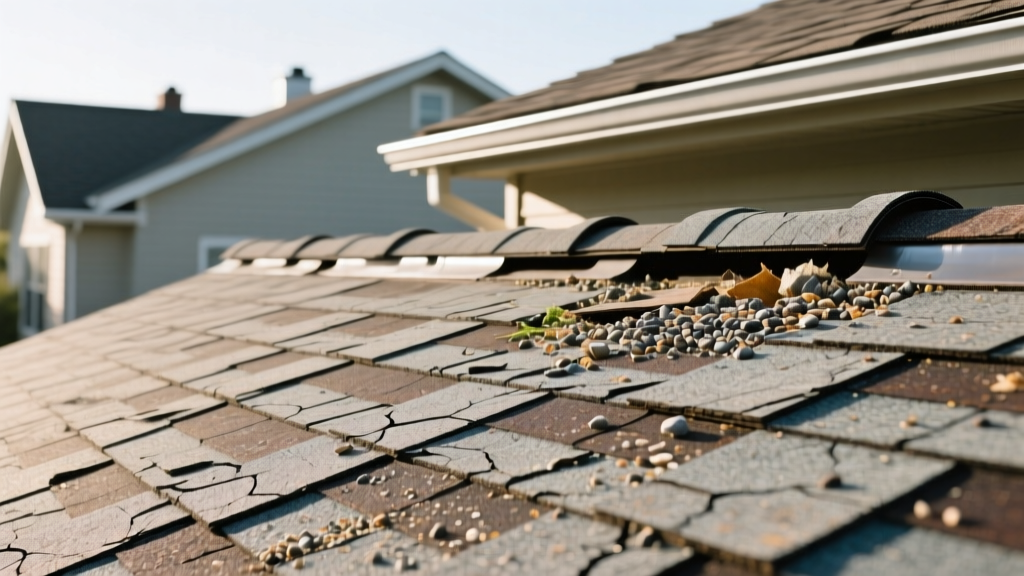
The Anatomy of Modified Bitumen Vulnerabilities
Modified bitumen (mod-bit) roofing systems dominate the commercial low-slope market due to their exceptional puncture resistance and multi-ply redundancy. However, because the membrane relies on an asphalt base modified with polymers, it is highly susceptible to chemical degradation, UV oxidation, and thermal shock if maintained improperly. A proactive maintenance playbook is not optional; it is the primary variable determining whether your roof reaches its 20-year life expectancy or fails at year 12.
Before executing any cleaning or repair protocol, facility managers must identify the specific polymer modifier used in their membrane, as aging profiles and chemical tolerances differ drastically between the two primary types.
APP vs. SBS: Aging and Maintenance Profiles
| Characteristic | APP (Atactic Polypropylene) | SBS (Styrene-Butadiene-Styrene) |
|---|---|---|
| Application Method | Torch-applied | Torch, hot-mop, cold-adhesive, or self-adhered |
| Physical Behavior | Plastic-like; high UV resistance | Rubber-like; high elasticity and flexibility |
| Cold Weather Vulnerability | Becomes brittle below 20°F; prone to cracking | Remains flexible down to -40°F |
| Heat Vulnerability | High melting point; stable in extreme heat | Can soften and slump on steep slopes in high heat |
| Primary Maintenance Focus | Monitoring for micro-cracking and seam shrinkage | Monitoring for blistering, ridging, and granule loss |
The Biannual Inspection Protocol
Relying on visual walk-throughs is insufficient for modern mod-bit systems. Water ingress often travels laterally beneath the membrane before manifesting as an interior ceiling stain. Implement this strict biannual inspection protocol (spring and late fall) to catch subsurface anomalies.
- Moisture Mapping: Use a non-destructive impedance scanner (such as the Tramex Roof Scanner) or infrared thermography after a dry 24-hour period to identify trapped moisture in the insulation layer. Mark any wet zones with temporary chalk.
- Seam Probing: Use a blunt-tipped seam probe (1/4-inch radius). Apply approximately 15 pounds of lateral pressure along all side and end laps. If the probe catches or penetrates the seam, the weld or adhesive bond has failed.
- Flashing and Penetration Audit: Inspect all pipe boots, HVAC curbs, and parapet flashings. Look for 'fishmouths' (openings at the edge of flashing) and ensure counter-flashing is securely fastened and sealed.
- Drainage Verification: The National Roofing Contractors Association (NRCA) defines ponding water as water remaining on the roof 48 hours after precipitation. Measure drain flow rates and clear all scupper boxes of debris.
Not all surface anomalies require immediate cutting.
Ridges: Long, narrow elevations over insulation joints. If the membrane is not fractured, leave them alone; cutting introduces leak paths.
Blisters: Circular, raised areas caused by trapped gases expanding. If a blister exceeds 24 inches in diameter, or if the membrane over the blister is fractured or severely granule-depleted, it must be cut and patched immediately.
Approved Cleaning Agents and Techniques
The most common cause of premature mod-bit failure is the use of incompatible cleaning chemicals. The asphalt binder in modified bitumen is petroleum-based. Applying petroleum distillates, mineral spirits, or harsh industrial degreasers will literally dissolve the membrane, turning it into a sticky, compromised sludge.
Chemical Compatibility Chart
| Cleaning Agent Type | Compatibility | Use Case |
|---|---|---|
| Petroleum Solvents / Mineral Spirits | NEVER USE | Dissolves asphalt binder; destroys membrane integrity |
| Chlorine Bleach (Sodium Hypochlorite) | USE WITH CAUTION | Only for severe algae; must be heavily diluted and thoroughly rinsed to prevent granule detachment |
| Alkaline-based Roof Wash (pH 8-10) | APPROVED | General dirt, biological growth, and pollutant removal (e.g., RoofWash or Simple Green Heavy Duty) |
| Acidic Cleaners (Muriatic Acid) | NEVER USE | Corrodes metal flashings and degrades the polymer modifiers |
The Soft-Wash Execution Strategy
Never use high-pressure power washing on a modified bitumen roof. Pressures exceeding 500 PSI will blast the protective mineral granules off the cap sheet, exposing the underlying asphalt mat to rapid UV degradation. Instead, utilize a low-pressure soft-wash system:
- Apply an approved alkaline cleaning solution using a garden sprayer or low-pressure pump.
- Allow a 15-minute dwell time to break down biological films and atmospheric pollutants.
- Agitate stubborn areas with a soft-bristled, non-abrasive push broom.
- Rinse thoroughly with a standard garden hose, directing runoff toward internal drains or scuppers.
Seam and Flashing Maintenance Playbook
According to the Asphalt Roofing Manufacturers Association (ARMA), over 80% of low-slope roof leaks originate at seams, flashings, and penetrations, not in the field of the membrane. Maintaining these transitions requires specific, ASTM-compliant materials.
'A modified bitumen roof is only as strong as its weakest lap. Field membranes rarely fail first; the laps and flashings do. Re-sealing transitions before the mastic dries out is the highest ROI activity a facility manager can perform.' — Commercial Roofing Foreman, GAF Certified Contractor Network.
The 3-Course Patch Method for Minor Seam Failures
When a seam probe identifies a minor void or a flashing fishmouth, do not simply smear roofing tar over it. Execute a 3-course patch using an ASTM D4586 compliant, fibered asphalt mastic (such as Karnak 19 Ultra or Henry 208R) and a polyester reinforcing fabric.
- Prep: Clean the area with a wire brush and wipe with a rag dampened (not soaked) in a mild, non-petroleum solvent to remove dust.
- Course 1 (Base): Trowel a 1/8-inch thick layer of mastic over the defect, extending 3 inches beyond the void in all directions.
- Course 2 (Reinforcement): Immediately embed a piece of polyester reinforcing fabric (e.g., GAF TigerPly or generic roofing fleece) into the wet mastic. Smooth out all wrinkles.
- Course 3 (Top): Trowel a second 1/8-inch layer of mastic completely encapsulating the fabric. Feather the edges to prevent water damming.
- Finish: Broadcast mineral surface granules over the wet top coat to restore UV protection.
Cost vs. Lifespan ROI Analysis
Deferring maintenance on a mod-bit system triggers a compounding financial penalty. Water trapped in the polyiso or EPS insulation layer loses its R-value, increasing HVAC energy costs while simultaneously rotting the roof deck.
In 2026, the national average cost for a complete commercial modified bitumen tear-off and replacement ranges from $8.50 to $14.00 per square foot, depending on regional labor rates and insulation thickness requirements. Conversely, a comprehensive biannual maintenance contract—including infrared scanning, soft washing, and proactive seam re-sealing—averages $0.15 to $0.30 per square foot annually. Over a 20-year lifecycle, strict adherence to this playbook yields a 400% to 600% return on investment by delaying capital replacement and preventing interior water damage claims. For detailed specifications on membrane warranties and approved repair materials, facility managers should consult the GAF Commercial Modified Bitumen guidelines or their specific manufacturer's technical data sheets.