Roofing Metal Durability: Lifespan Analysis by Alloy and Gauge
Discover the true lifespan of roofing metal systems. We analyze durability, corrosion resistance, and failure modes by alloy type, gauge, and coating.
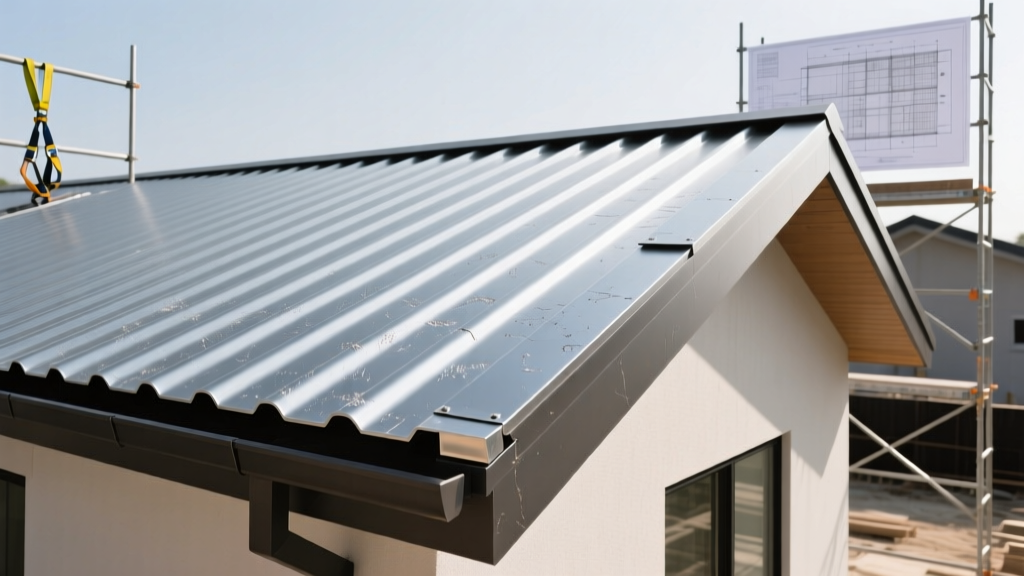
The Reality of Roofing Metal Lifespans
The term "lifetime roof" is frequently marketed in the construction industry, but the actual lifespan of roofing metal depends entirely on the specific metallurgical composition, gauge thickness, and protective coating systems utilized. While a basic corrugated steel panel might last 25 years before succumbing to red rust, a properly engineered 24-gauge Galvalume standing seam system with a PVDF paint finish can reliably exceed 60 years of service. Understanding these variables is critical for architects, contractors, and facility managers making long-term capital expenditure decisions.
According to data from the Metal Roofing Alliance, the longevity of a metal roof is not dictated by the base steel or aluminum alone, but by the sacrificial coatings and the thermal movement accommodations built into the fastening system. This analysis breaks down the exact durability metrics of modern roofing metal systems, moving beyond marketing claims to examine the engineering realities of alloy degradation, structural fatigue, and coating failure.
Alloy Breakdown: Galvalume vs. Galvanized vs. Aluminum
The base substrate and its metallic coating determine the fundamental corrosion resistance of the roofing metal. The three dominant substrates in the North American market offer vastly different lifespans and environmental tolerances.
Galvalume (Aluminum-Zinc Alloy Coated Steel)
Galvalume is the industry standard for commercial and high-end residential roofing metal. The coating consists of 55% aluminum, 43.4% zinc, and 1.6% silicon. The aluminum provides long-term barrier protection and heat reflectivity, while the zinc offers galvanic (sacrificial) protection at cut edges and scratches. For maximum durability, specify an AZ55 coating weight (0.55 ounces of coating per square foot of surface) rather than the standard AZ50. AZ55 provides up to 30% greater edge-creep resistance and is highly recommended for harsh industrial or high-humidity environments.
Galvanized (Zinc-Coated Steel)
Galvanized steel (typically G90, meaning 0.90 ounces of zinc per square foot) relies entirely on zinc for corrosion protection. While excellent for interior liner panels or agricultural buildings, it is inferior to Galvalume for exterior roofing. Once the zinc is depleted through oxidation (white rust), the underlying steel is exposed to rapid red rust. Expect a 20 to 30-year lifespan in moderate climates, significantly less than Galvalume.
Aluminum (Alloys 3004 and 3105)
Aluminum roofing metal does not rust; it oxidizes, forming a hard, protective aluminum oxide layer that halts further degradation. Alloy 3004 (often used in H-series tempers like H25 or H28 for roofing) offers superior tensile strength and formability. Aluminum is the mandatory choice for coastal applications where salt spray rapidly destroys steel substrates. The lifespan of an aluminum roof frequently exceeds 60 years, though it is more susceptible to denting from hail due to its lower yield strength compared to steel.
Gauge Thickness and Structural Fatigue
Gauge thickness directly impacts the roofing metal's resistance to structural fatigue, wind uplift, and impact damage. Thicker panels (lower gauge numbers) resist "oil canning" (stress wrinkling) and maintain structural integrity during extreme thermal cycling. The National Roofing Contractors Association (NRCA) emphasizes that gauge selection must align with the specific purlin spacing and local wind load requirements.
| Gauge | Decimal Thickness | UL 2218 Hail Class | Wind Uplift Rating | Best Application |
|---|---|---|---|---|
| 29-Gauge | 0.0149" | Class 2 | Up to 90 mph | Agricultural, interior liner |
| 26-Gauge | 0.0179" | Class 3 | Up to 110 mph | Residential exposed fastener |
| 24-Gauge | 0.0239" | Class 4 | 140+ mph (UL 580) | Commercial standing seam |
| 22-Gauge | 0.0299" | Class 4 | 160+ mph (UL 580) | Severe hurricane zones |
Paint Systems: PVDF vs. SMP and Chalk/Fade Rates
The metallic coating protects the steel, but the paint system protects the metallic coating from UV degradation and chemical erosion. The longevity of the roof's aesthetic and secondary protective layer is defined by the resin chemistry.
Kynar 500® / Hylar 5000® PVDF Systems
Polyvinylidene Fluoride (PVDF) resins are the gold standard for architectural roofing metal. To meet the stringent AAMA 2605 specification, the paint must contain a minimum of 70% PVDF resin. PVDF systems exhibit exceptional resistance to UV-induced chalking and fading, typically maintaining a Delta E (color shift) of less than 5 Hunter units over 30 years. These systems remain highly flexible, allowing them to expand and contract with the metal substrate without micro-cracking, which is critical for preventing moisture intrusion into the paint film.
Silicone Modified Polyester (SMP) Systems
SMP paints are harder and more abrasion-resistant than PVDF, making them popular for agricultural and light commercial applications where cost is a primary driver. However, SMP resins are highly susceptible to UV degradation. Expect noticeable chalking and fading (Delta E shifts of 10+) within 7 to 12 years. While the roof will not leak, the aesthetic degradation and eventual embrittlement of the paint film significantly reduce the overall functional lifespan of the roofing metal system.
Common Failure Modes and Edge Cases
Even the highest-grade roofing metal will fail prematurely if installation protocols ignore the physical properties of the materials. The most common catastrophic failure modes include:
- Galvanic Corrosion: When dissimilar metals come into contact in the presence of an electrolyte (rainwater), the less noble metal corrodes rapidly. Using copper flashing, untreated steel ridge caps, or allowing copper runoff from HVAC lines to wash over Galvalume panels will cause severe, localized red rust within months. Always isolate dissimilar metals using neoprene or EPDM separators.
- Fastener Back-Out: Steel roofing metal expands and contracts at a rate of approximately 1.5 inches per 100 feet for every 100°F temperature change. If exposed fastener panels are installed without slotted holes or if the fasteners are over-driven (crushing the washer), thermal cycling will cause the screws to back out, breaking the weather seal and leading to leaks and wind-uplift failure.
- Under-Film Creep: When Galvalume panels are cut on-site using abrasive saws, the intense heat melts the zinc-aluminum coating, leaving a raw steel edge. If this edge is not treated with a cold-galvanizing compound or a high-build edge sealant, moisture will wick under the paint film, causing the paint to peel and the steel to rust from the inside out.
Maintenance Intervals for Maximum Longevity
While metal roofs are frequently marketed as "maintenance-free," achieving a 50+ year lifespan requires a structured inspection protocol. The U.S. Department of Energy notes that maintaining the reflective properties and structural integrity of cool metal roofs requires periodic clearing of debris and inspection of seams.
Recommended 18-Month Inspection Checklist:
- Clear all debris, pine needles, and dirt dams from valleys and transitions to prevent standing water.
- Inspect all exposed fasteners for back-out and replace any with compromised EPDM/neoprene washers.
- Check for dissimilar metal debris (e.g., steel nails, copper wire) left by other trades, which will initiate galvanic corrosion.
- Verify that sealant beads at end-laps, penetrations, and ridge caps have not lost adhesion or UV-degraded.
Expert Verdict: Which Roofing Metal Lasts Longest?
For maximum lifespan in standard inland environments, a 24-gauge Galvalume (AZ55) standing seam panel with a concealed clip system and a 70% PVDF paint finish is the undisputed leader, offering a verified service life of 50 to 60 years. The concealed clips eliminate fastener back-out issues and accommodate thermal expansion seamlessly. For coastal environments within 1,500 feet of saltwater, a 0.032-inch or 0.040-inch Aluminum 3004 alloy panel with a PVDF finish is mandatory to prevent substrate corrosion, easily delivering a 60+ year lifespan when maintained correctly. Selecting the right alloy and gauge for your specific environmental stressors is the only way to ensure your roofing metal investment reaches its engineered potential.