Eclipse Building Material Cost Analysis: Metal Panel Pricing
Detailed cost analysis of Eclipse building material metal panels. Compare 24-gauge vs 22-gauge pricing, installation labor, and long-term ROI.

Decoding the Eclipse Building Material Profile
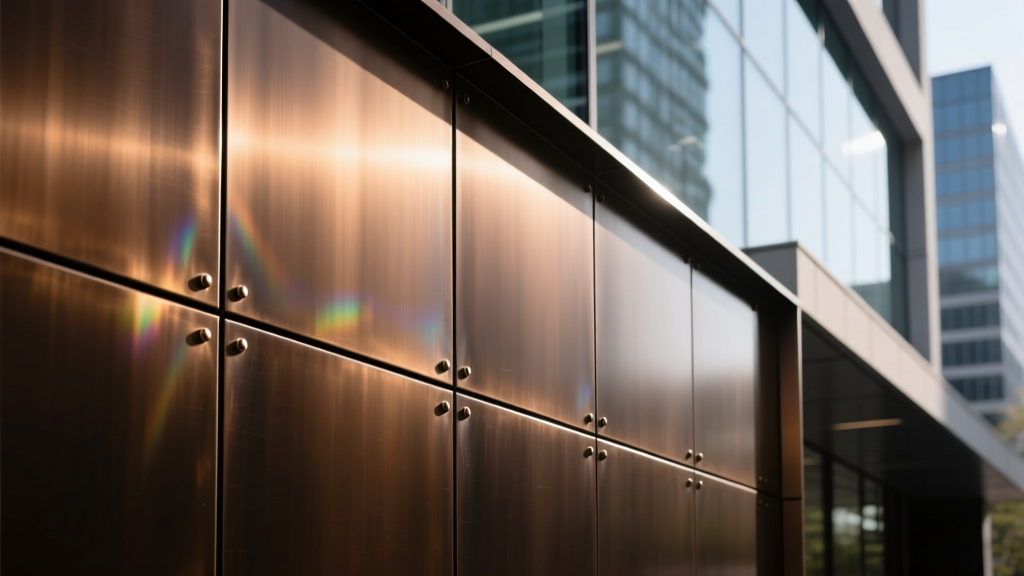
When architects and general contractors specify the Eclipse building material profile, they are typically referring to a premium line of concealed-fastener architectural metal panels used for both roofing and vertical wall cladding. Characterized by clean, uninterrupted sightlines, structural standing seam capabilities, and high wind-uplift resistance, Eclipse panels represent a significant capital investment compared to standard exposed-fastener corrugated metals. As of 2026, with global steel supply chains largely stabilized, the pricing for these architectural systems has become more predictable, though labor and accessory costs continue to dictate the final budget.
Quick Cost Snapshot: Eclipse Metal Panels (2026)
- Material Only (24-Gauge Galvalume): $4.85 – $6.50 per sq. ft.
- Material Only (22-Gauge Galvalume): $6.20 – $8.10 per sq. ft.
- Specialized Installation Labor: $6.50 – $11.00 per sq. ft.
- Total Installed Cost: $12.50 – $19.50 per sq. ft.
Material vs. Labor: The True Cost per Square Foot
Calculating the budget for an Eclipse metal panel system requires separating the raw panel cost from the intricate accessory and labor requirements. Unlike agricultural or light-commercial panels that can be screwed directly to purlins, Eclipse profiles rely on engineered clip systems that allow for thermal expansion and contraction.
| Cost Component | 24-Gauge (Standard Wall/Low-Slope) | 22-Gauge (High-Wind/Structural Roof) |
|---|---|---|
| Base Panel (PVDF Coated) | $5.40 / sq. ft. | $7.15 / sq. ft. |
| Clips & Fasteners | $0.65 / sq. ft. | $0.85 / sq. ft. |
| Trim, Closures & Butyl Tape | $1.10 / sq. ft. | $1.40 / sq. ft. |
| Specialized Labor | $6.50 / sq. ft. | $9.00 / sq. ft. |
| Total Installed Estimate | $13.65 / sq. ft. | $18.40 / sq. ft. |
Hidden Cost Drivers in Eclipse Installations
Budget overruns on architectural metal projects rarely stem from the base panel price. They originate in the peripheral requirements necessary to make the Eclipse building material perform to its engineered specifications.
Substrate Preparation and Sheathing
Eclipse concealed-fastener panels demand a remarkably flat substrate. If you are installing over an existing roof deck or uneven wall framing, you must budget for furring channels or a complete plywood/OSB sheathing overlay. Installing architectural panels directly over open purlins without a solid substrate or specialized rigid insulation boards will result in 'oil-canning'—a visual waviness in the metal that is aesthetically unacceptable on high-end commercial facades. Budget an additional $1.50 to $2.80 per square foot for substrate leveling and high-density polyiso insulation boards.
Premium PVDF Coatings vs. SMP
The coating chemistry drastically alters both the upfront cost and the lifecycle of the material. Standard Silicone Modified Polyester (SMP) coatings are cheaper but will chalk and fade within 10 to 15 years. For Eclipse architectural systems, specifying a 70% PVDF resin coating (commonly known as Kynar 500 or Hylar 5000) is mandatory for long-term color retention. PVDF coatings add approximately $0.85 to $1.25 per square foot to the material cost but extend the aesthetic lifespan of the panel by decades.
Eclipse Panels vs. Traditional Cladding Materials
To understand the value proposition of the Eclipse profile, it must be benchmarked against other premium commercial and residential cladding options. The following matrix compares the Eclipse metal system against fiber cement and brick veneer.
- Eclipse Metal Panels: $13.00 – $19.00/sq. ft. installed. Pros: Lightweight (reduces structural steel costs), 60+ year lifespan, fully recyclable, rapid installation. Cons: Requires specialized labor, susceptible to denting from severe hail.
- Fiber Cement Board (e.g., Nichiha/Cemintel): $9.00 – $14.00/sq. ft. installed. Pros: Excellent fire resistance, mimics wood/stone. Cons: Heavy, requires painting/maintenance, silica dust hazards during cutting.
- Brick Veneer: $15.00 – $25.00/sq. ft. installed. Pros: Unmatched traditional aesthetic, high thermal mass. Cons: Extremely heavy (requires reinforced foundations), slow installation, high labor costs.
Lifecycle Cost and Energy ROI
While the initial capital expenditure for the Eclipse building material is higher than asphalt or exposed-fastener metals, the lifecycle cost analysis heavily favors architectural metal. According to the Whole Building Design Guide, properly installed standing seam metal roofs routinely exceed 50 years of service life with minimal maintenance, effectively doubling or tripling the lifespan of single-ply commercial membranes.
Furthermore, energy savings play a critical role in the financial modeling of these panels. When specified with cool-roof PVDF pigments (such as solar reflectance index values above 50), Eclipse panels significantly reduce cooling loads. The U.S. Department of Energy notes that cool roofs can reduce peak cooling demand by 10% to 15%, which translates to substantial HVAC downsizing and operational savings in commercial applications.
"When evaluating the Eclipse profile, procurement teams must look past the per-square-foot material quote. The true financial advantage lies in the reduced structural load requirements and the elimination of tear-off costs at the end of the building's lifecycle, as the steel is 100% recyclable."
— Industry Guidelines, Metal Construction Association
Strategic Procurement: When to Specify Eclipse Panels
Specifying the Eclipse building material profile is not universally appropriate for every budget. It is highly recommended for:
- Commercial Facades and Corporate Campuses: Where the clean, concealed-fastener aesthetic aligns with modern architectural mandates.
- High-Wind and Coastal Zones: The 22-gauge structural Eclipse profiles, when paired with engineered sliding clips, can withstand uplift pressures exceeding 150 mph, making them ideal for hurricane-prone regions.
- Buildings with Complex Roof Geometry: While complex roofs increase labor costs, the continuous panel lengths and field-seamed capabilities of Eclipse systems reduce the number of vulnerable penetrations and end-laps compared to shorter panel alternatives.
For light agricultural, basic warehousing, or strict low-budget utility builds, the premium for concealed fasteners and specialized seaming equipment cannot be justified. However, for projects demanding a 50-year weathertight warranty, superior thermal movement accommodation, and high-end visual continuity, the Eclipse metal panel system remains a premier, cost-effective choice over the lifespan of the structure.
Written by
James ThorntonJames Thornton is a construction industry veteran with 25 years of hands-on experience in wood framing, lumber grading, and residential building codes. He started as a framing carpenter in rural Oregon, earned his ICC Residential Building Inspector certification, and eventually became a senior plan reviewer for the City of Portland Bureau of Development Services. James holds a B.S. in Wood Science & Technology from Oregon State University and is a certified lumber grader through the West Coast Lumber Inspection Bureau (WCLIB). He has inspected over 3,000 residential construction sites and authored the city's internal guide on advanced framing techniques (2x6 at 24" O.C.). James lives in Bend, OR, where he builds custom timber-frame cabins and competes in lumberjack sports.
More from James Thornton
View all
Insulation
Best Home Insulation Materials: Complete 2026 Guide
Compare top home insulation materials for 2026. Find R-values, installed costs per square foot, and best uses for fiberglass, spray foam, and mineral wool.
Aug 4, 2026

Sustainable Building
Certify Your Green Building Material for LEED and WELL
Step-by-step guide to certifying a green building material for LEED v5 and WELL v2. Master EPDs, HPDs, and VOC limits for 2026 project specifications.
Aug 4, 2026

Stone & Masonry
Veneer Stacked Stone Panels: Interior Design & Style Showcase
Discover how veneer stacked stone panels transform interiors. Explore modern design profiles, material pairings, and technical installation specs.
Aug 4, 2026