Sourcing Salvage Building Materials in Winston-Salem, NC: 2026 Costs
Analyze 2026 costs for reclaimed wood, brick, and fixtures from salvage building materials suppliers in Winston-Salem, NC. Compare salvage vs. new pricing.

The Micro-Economics of Architectural Salvage in the Piedmont Triad
The market for reclaimed construction supplies operates on a completely different economic model than traditional lumber yards or masonry suppliers. When contractors, architects, and homeowners search for salvage building materials inc winston salem nc or similar local reclaimers, they are tapping into a highly localized micro-economy driven by demolition schedules, historic preservation mandates, and the intensive labor required to prepare vintage materials for modern building codes. In 2026, the Piedmont Triad region remains a prime sourcing hub due to its dense concentration of early 20th-century industrial and residential structures undergoing adaptive reuse.
Unlike virgin materials, where pricing is dictated by global commodity indexes and freight logistics, salvage pricing is inherently tied to regional labor costs and the specific architectural history of Forsyth County and surrounding areas. Sourcing reclaimed Longleaf heart pine, Chicago-style common brick, or cast-iron plumbing fixtures requires a nuanced understanding of both the upfront acquisition cost and the secondary processing expenses that dictate the true final budget.
2026 Cost Matrix: Reclaimed vs. Virgin Materials
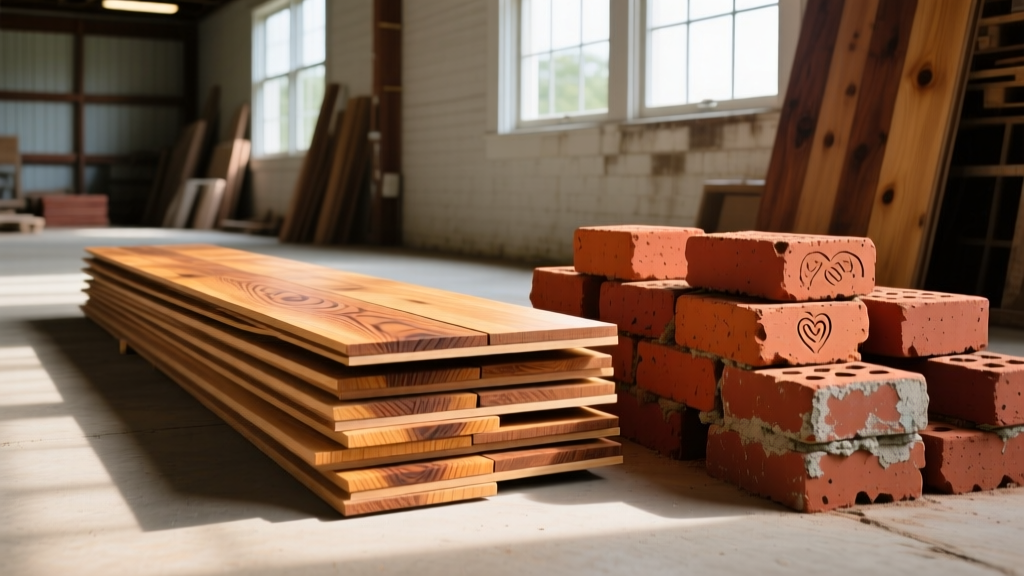
To accurately budget a project utilizing architectural salvage, you must compare the fully prepped cost of reclaimed materials against their premium new equivalents. The table below outlines current 2026 market rates for materials frequently sourced from Winston-Salem salvage yards, factoring in standard yard-prep (de-nailing, basic cleaning, and palletizing).
| Material Type | Salvage Cost (Prepped) | New Equivalent Cost | Cost Variance | Primary Sourcing Notes |
|---|---|---|---|---|
| Longleaf Heart Pine Flooring (T&G, Milled) | $13.50 - $18.00 / sq ft | $11.00 - $15.00 / sq ft (Engineered) | +15% to +25% | Sourced from deconstructed 1920s textile mills; premium for tight growth rings. |
| Red Clay Common Brick (Cleaned) | $1.15 - $1.45 / brick | $0.65 - $0.90 / brick (New Extruded) | +60% to +80% | Local Triad-region kilns; requires manual mortar chipping and power washing. |
| Cast Iron Clawfoot Tub (Refinished) | $1,800 - $2,600 / unit | $700 - $1,200 / unit (New Acrylic) | +120% to +150% | Heavyweight vintage iron; includes professional lead-safe stripping and epoxy coating. |
| Dimensional Lumber (2x8, Old Growth Pine) | $4.50 - $6.00 / linear ft | $1.80 - $2.50 / linear ft (New SPF) | +140% to +200% | Highly sought for structural headers and exposed beams; requires metal-detector scanning. |
As the data indicates, salvage materials rarely offer a direct discount on premium new alternatives. The financial justification for salvage lies in aesthetic authenticity, historical compliance, and environmental impact rather than raw material savings. According to the Environmental Protection Agency (EPA), deconstruction and material reuse significantly diverts waste from landfills, a metric that increasingly factors into LEED v5 certification point calculations for commercial projects in Winston-Salem.
Hidden Processing Costs: What the Yard Doesn't Tell You
Acquiring materials from a salvage yard is only the first step in the cost chain. Reclaimed materials require specialized preparation before they can be integrated into a modern build. Failing to account for these hidden variables is the most common cause of budget overruns in historic renovations.
Any salvaged painted wood (trim, doors, window sashes) or vintage flooring sourced from pre-1978 structures in Forsyth County must be tested for lead-based paint. Professional dipping and chemical stripping services in the Piedmont Triad currently charge between $18 and $28 per linear foot for intricate millwork. If asbestos-containing mastics are found on salvaged tiles, specialized hazmat disposal fees will apply, instantly negating any material discount.
Kiln Drying and Moisture Equilibration
Wood stored in unclimate-controlled salvage yards absorbs ambient humidity. Installing reclaimed flooring directly from a yard into a modern, HVAC-controlled home will result in catastrophic shrinkage and gapping during the winter heating season. Budget an additional $1.50 to $2.50 per square foot for commercial kiln-drying services to bring the moisture content of salvaged heart pine down to the required 6-8% interior equilibrium. The Building Materials Reuse Association (BMRA) strongly mandates kiln-drying not just for moisture control, but to ensure the eradication of wood-boring insects like powderpost beetles, which are prevalent in Southern salvage yards.
Hardware Compatibility and Retrofitting
Salvaged doors and windows rarely conform to modern standard rough openings. A salvaged solid-core mortise door from a 1920s Buena Vista estate will require custom jamb fabrication, modern weatherstripping routing, and potentially new mortise lock hardware. Expect to pay a specialized carpenter $150 to $250 per door in labor to retrofit vintage units to meet current energy codes and security standards.
Navigating Forsyth County Historic District Requirements
If your project is located within one of Winston-Salem’s designated local historic districts—such as the West End, Washington Park, or Buena Vista—the use of salvage materials is often not just an aesthetic choice, but a regulatory requirement. The North Carolina State Historic Preservation Office (HPO) and local historic district commissions enforce strict guidelines regarding material replacement.
- Brick Matching: If a historic masonry wall requires patching, new extruded brick will be rejected by the commission due to differences in clay composition, firing methods, and dimensional tolerances. Sourcing salvaged Triad-region common brick is mandatory, pushing the material cost to the $1.45/brick premium tier.
- Roofing Materials: Salvaged slate or terra cotta tiles are frequently required for visible roof planes. Because matching the exact weathering patina is impossible with new materials, contractors must budget for sourcing from specialized regional salvage brokers, often adding 30% to standard roofing labor costs due to the fragile nature of vintage slate.
- Tax Credit Offsets: For income-producing properties, the Federal 20% Historic Rehabilitation Tax Credit can significantly offset the premium paid for authentic salvage materials, provided the salvage use is documented and approved in the Part 2 HPO application.
Logistics and Freight: The Local Advantage
One area where sourcing locally from Winston-Salem salvage yards provides a distinct cost advantage is freight logistics. Reclaimed materials are exceptionally heavy and dense. A standard pallet of cleaned red clay brick weighs approximately 3,200 pounds. Shipping a pallet of salvaged brick from a major national reclaimer in the Midwest to North Carolina can easily add $400 to $600 in LTL (Less Than Truckload) freight charges.
By utilizing local salvage networks, contractors can deploy standard flatbed trucks or heavy-duty box trucks for local pickup, reducing freight costs to under $100 per load. Furthermore, local sourcing allows for immediate visual inspection. Unlike buying reclaimed wood online—where color variation, checking, and hidden rot are common grievances—purchasing directly from a Winston-Salem yard allows you to hand-select boards for specific grain tightness and patina characteristics, reducing the standard 15% waste factor associated with blind-buying reclaimed lumber.
Frequently Asked Questions
Can I use salvaged structural lumber for load-bearing walls in NC?
Yes, but it requires engineering approval. The NC Residential Code requires structural lumber to be grade-stamped. Because vintage lumber lacks modern stamps, you must hire a licensed lumber grader or structural engineer to inspect and certify the salvaged timbers on-site, adding roughly $300 to $500 in inspection fees per project phase.
Do salvage yards in Winston-Salem offer contractor discounts?
Most local yards operate on fixed pricing for rare items (like heart pine or antique fixtures) due to limited inventory. However, they frequently offer 10% to 15% volume discounts on bulk commodities like common brick, stone, or standard dimensional framing lumber if you purchase full pallets or entire deconstruction yields.
What is the lead time for sourcing specific salvage materials?
Unlike new materials with predictable supply chains, salvage requires patience. Sourcing a specific volume of matching vintage trim or a set of identical cast-iron radiators can take anywhere from 3 to 8 months, as yards must wait for suitable local demolition projects to yield the required inventory. Always front-load your salvage procurement in the project timeline.
Written by
Elena RodriguezElena Rodriguez is a civil engineer and technical writer specializing in concrete technology, masonry systems, and ASTM/ACI compliance. She earned her B.S. in Civil Engineering from Texas A&M University and spent a decade at a materials testing laboratory, performing over 2,000 concrete compressive strength tests and masonry prism evaluations. Elena is an ACI-certified Field Testing Technician (Grade I) and a member of ASTM Committee C12 on Natural Building Stone. She currently consults on forensic engineering cases involving concrete failures and moisture intrusion. Based in San Antonio, TX, Elena is a proud member of the Society of Women Engineers (SWE) and coaches her daughter's FIRST Robotics team.
More from Elena Rodriguez
View all
Walls & Panels
Cost Analysis: Light Gauge Steel Framing Advantages and Disadvantages
Evaluate light gauge steel framing advantages and disadvantages through a strict cost analysis lens, comparing material, labor, and lifecycle expenses.
Aug 4, 2026

Walls & Panels
Gypsum Board Types: Exact Specifications, Thickness & Dimensions
Compare standard, Type X, and moisture-resistant gypsum board types. Get exact specifications, thicknesses, dimensions, and ASTM standards for your project.
Aug 4, 2026

Fire Resistance
Best Fire-Resistant Outdoor Decking Materials: 2026 Buyer Guide
Discover the best fire-resistant outdoor decking materials for 2026. Compare Class A PVC, aluminum, and hardwood options for WUI compliance and safety.
Aug 4, 2026