Carhartt Insulated Bibs Cleaning Playbook: Preserve Thermal Loft
Master the maintenance playbook for Carhartt insulated bibs. Learn exact wash temperatures, DWR restoration, and Thinsulate loft recovery techniques.
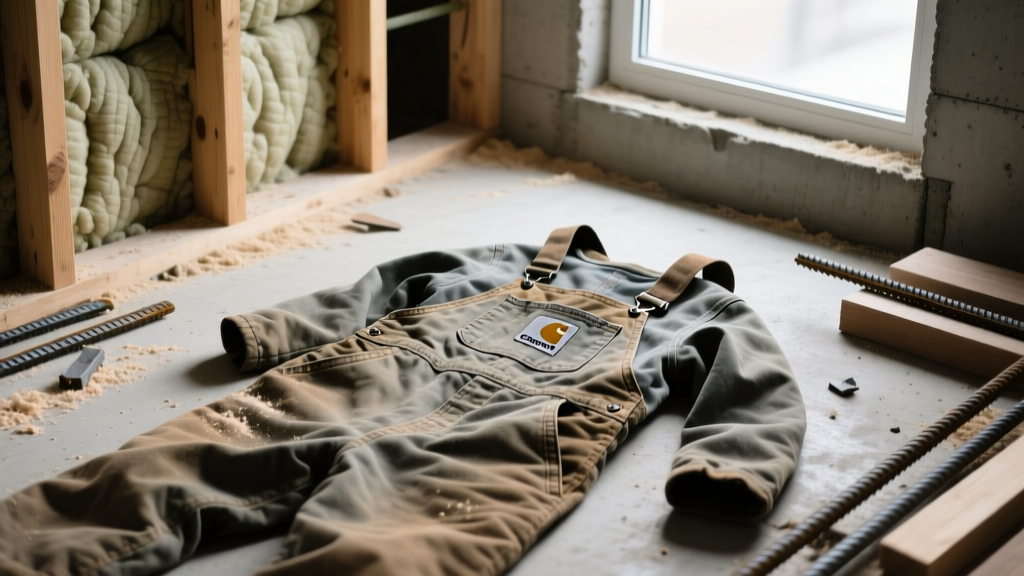
The Hidden Cost of Improper Washing
Washing heavy-duty workwear is not the same as laundering standard cotton denim. When you wash Carhartt insulated bibs using conventional methods, you risk destroying the garment's thermal efficiency. The insulation inside these bibs—whether it is 3M™ Thinsulate™, polyester quilted batting, or arctic-weight lining—relies on 'loft' (the physical thickness of the trapped air pockets) to retain body heat. Standard laundry detergents contain fabric softeners and brighteners that coat synthetic fibers, causing them to clump and collapse. Furthermore, aggressive wash cycles and high-heat drying can melt nylon shells, strip Durable Water Repellent (DWR) coatings, and permanently compress the insulation core.
This maintenance playbook provides exact, model-specific parameters for washing, drying, and storing your insulated bibs to ensure they maintain their original R-value and weather resistance season after season.
Material Breakdown: What You Are Actually Washing
Before loading the machine, you must identify the shell fabric and insulation core of your specific Carhartt model. Cotton duck canvas and Cordura nylon react entirely differently to water temperature and mechanical agitation. Below is a breakdown of the most common Carhartt insulated bib configurations and their strict washing limits.
| Carhartt Model | Shell Fabric | Insulation Core | Max Wash Temp | Agitator Safe? |
|---|---|---|---|---|
| Yukon Extremes (102986) | Cordura Nylon | 3M™ Thinsulate™ | 104°F (40°C) | No |
| Loose Fit Duck (104397) | Cotton Duck Canvas | Polyester Quilt | 140°F (60°C) | Yes |
| Sandstone Duck (B11) | Sandstone Duck | Arctic-Weight Lining | 140°F (60°C) | Yes |
The 4-Step Maintenance Playbook
Follow this exact sequence to clean your bibs without compromising the insulation loft or the water-repellent shell.
Step 1: Pre-Treatment and Debris Removal
Do not put caked mud or heavy grease directly into the washing machine. Mud acts as an abrasive that grinds into the fabric weave, while heavy grease requires spot treatment.
- Dry Debris: Use a stiff-bristled nylon brush to remove dried mud, sawdust, and concrete dust while the bibs are completely dry.
- Grease and Oil: Apply a dedicated heavy-duty degreaser (like Goop or a citrus-based solvent) directly to oil stains. Let it sit for 15 minutes before washing. Avoid using bleach, which degrades both cotton and synthetic insulation fibers.
- Hardware Prep: Zip all brass zippers to the top, snap all buttons, and secure the suspenders to prevent them from tangling and tearing the shell during the spin cycle.
Step 2: Detergent Selection
This is where most users fail. Standard detergents (Tide, Persil) contain surfactants that strip DWR coatings and leave a hydrophilic residue on synthetic insulation, causing it to absorb moisture rather than repel it.
- For Nylon Shells (Yukon Extremes): Use a technical wash like Nikwax Tech Wash or Grangers Performance Wash. These are formulated to clean without stripping the factory DWR.
- For Cotton Duck (B11, 104397): A mild, fragrance-free liquid detergent is acceptable, but you must run an extra rinse cycle to ensure no residue remains in the thick canvas weave.
Step 3: Wash Cycle Parameters
Set your washing machine according to the shell material. For cotton duck, a standard or heavy-duty cycle with warm water (up to 140°F) is ideal for removing ground-in dirt. For nylon and Thinsulate models, select the 'Delicate' or 'Synthetic' cycle with cold or warm water (max 104°F). Always select an 'Extra Rinse' option to flush out embedded dirt and detergent from the thick insulation batting.
Step 4: Drying and Mechanical Lofting
Synthetic insulation clumps when wet. If you hang-dry your bibs, the batting will dry in flat, dense sheets, resulting in cold spots and a total loss of thermal efficiency.
- Transfer the bibs to a dryer immediately after the wash cycle.
- Set the dryer to Low Heat (or Air Fluff for nylon shells).
- Add three clean, dry tennis balls or wool dryer balls to the drum. The mechanical impact of the balls beating against the bibs is critical—it physically breaks apart clumped insulation fibers and restores the loft.
- Dry for 60 to 90 minutes. Check the armpit and crotch gussets; if they feel damp, continue drying in 20-minute increments. Trapped moisture leads to mildew inside the insulation core.
Restoring the DWR Coating
The Durable Water Repellent (DWR) finish on Carhartt bibs causes water to bead up and roll off the shell. Over time, friction, dirt, and washing strip this coating. When water stops beading and begins soaking into the outer fabric (wetting out), the bibs will feel clammy and lose their wind resistance.
Troubleshooting Common Wash Failures
Even with careful washing, issues can arise. Use this diagnostic guide to fix common post-wash problems.
- Symptom: Insulation feels clumpy or flat after drying.
Cause: Incomplete drying or lack of mechanical agitation.
Fix: Return the bibs to the dryer on low heat with wool dryer balls for an additional 45 minutes. Manually pull and massage the clumped areas through the fabric while they are warm. - Symptom: Brass zippers are stiff and snagging.
Cause: Detergent residue or lint trapped in the zipper teeth.
Fix: Scrub the teeth with a damp nylon toothbrush. Once dry, rub a dedicated zipper wax or a plain beeswax candle along the teeth to restore smooth operation. - Symptom: The canvas shell feels excessively stiff.
Cause: Mineral buildup from hard water or detergent left in the heavy cotton weave.
Fix: Run the bibs through a rinse-only cycle with half a cup of distilled white vinegar to break down mineral deposits and soften the canvas fibers without using chemical fabric softeners.
Off-Season Storage to Prevent Compression
How you store your Carhartt insulated bibs during the summer months directly impacts their thermal performance the following winter. The insulation relies on physical volume to trap dead air. If you store them compressed, the synthetic fibers can develop permanent memory creases, reducing the garment's overall R-value.
Never use vacuum-sealed storage bags for insulated workwear. Instead, hang the bibs on wide, padded hangers in a climate-controlled, dry environment. If closet space is limited, loosely roll the bibs from the bottom up and place them in a breathable cotton storage bin. Avoid storing them in damp basements or unventilated attics, as temperature fluctuations and humidity can promote mildew growth deep inside the quilted lining.
For more detailed manufacturer specifications, always refer to the official Carhartt Care Instructions portal. For advanced techniques on maintaining technical outerwear and DWR coatings, consult the REI Expert Advice Guide on Cleaning Waterproof Gear. Proper maintenance ensures your investment in high-quality thermal workwear pays off with years of reliable, extreme-weather protection.