Best Brick Moulding Brands & Profiles: 2026 Trim Guide
Compare top brick moulding brands, materials, and profiles. Get 2026 pricing, installation specs, and sizing guides for exterior door and window trim.
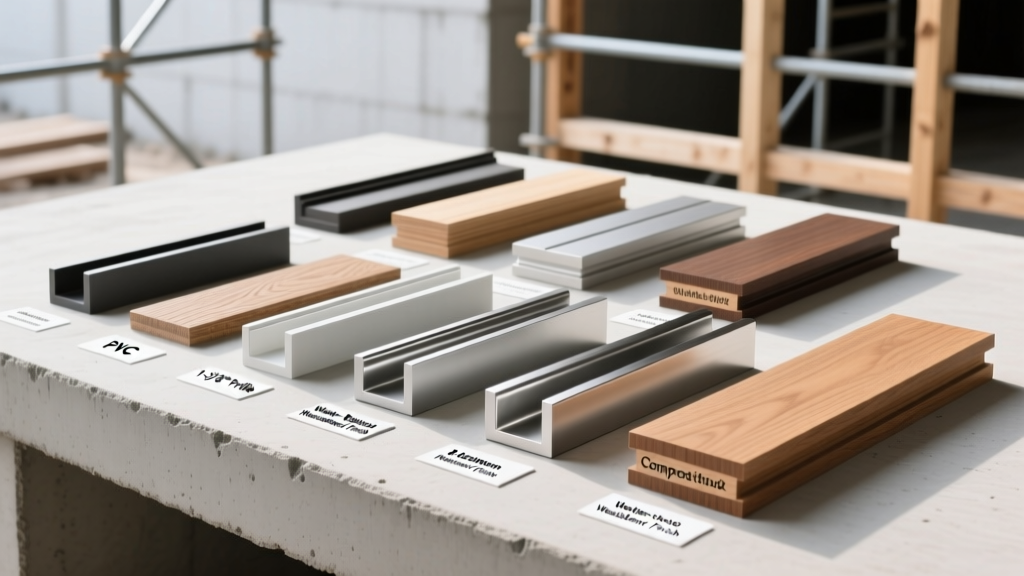
The Anatomy of Brick Moulding: Beyond the Basic Gap-Filler
Historically, brick moulding (frequently spelled brickmold or brickmould in North American construction) served a single utilitarian purpose: bridging the gap between an exterior door or window frame and the surrounding masonry. Today, it has evolved into a primary architectural casing used across all siding types, from fiber cement to vinyl. The profile is defined by its distinct 'brick stop'—a 1/2-inch to 5/8-inch rabbeted lip that rests flush against the exterior cladding or masonry, while the wider 1-3/4-inch to 2-3/4-inch face provides the decorative casing reveal.
Selecting the right brick moulding in 2026 requires navigating a fragmented market of material sciences. While primed finger-jointed pine (FJP) remains the baseline for budget-conscious builders, the shift toward cellular PVC and engineered wood composites has fundamentally changed lifecycle expectations. Moisture intrusion at the trim-to-siding intersection remains the leading cause of premature door frame rot, making material selection a critical structural decision, not just an aesthetic one.
Material Matrix: Wood vs. Cellular PVC vs. Polyurethane
The performance gap between traditional wood and modern synthetics is most evident in moisture absorption rates and paint adhesion longevity. The following matrix breaks down the primary material categories available from major distributors this year.
| Material Type | Moisture Absorption | Avg. Cost per LF (2026) | Paintability | Best Use Case |
|---|---|---|---|---|
| Primed FJP (Wood) | High (Requires end-sealing) | $1.30 - $1.75 | Excellent (Factory primer) | Interior cased openings, covered porches |
| Cellular PVC | Negligible (<1%) | $3.80 - $4.90 | Good (Requires PVC-specific paint) | Direct masonry contact, high-exposure exteriors |
| Engineered Wood (PVC-coated) | Low (Core is protected) | $2.60 - $3.40 | Excellent (Pre-finished) | Painted exteriors requiring rigid nailing base |
| Polyurethane (PU) Foam | Zero | $5.50 - $7.20 | Excellent | Highly ornate historical restorations |
Brand Deep-Dive: Top 3 Brick Moulding Product Lines
1. AZEK / TimberTech (Cellular PVC Extrusions)
AZEK dominates the premium cellular PVC trim market. Their standard 2' x 2-1/4' Brickmould (Model #1022400) is the industry benchmark for synthetic exterior casing. Unlike cheaper extruded PVCs that suffer from thermal expansion warping, AZEK's proprietary cellular core maintains dimensional stability across a 100°F temperature swing. In 2026, their 'Craftsman' line offers a wider 3-1/2' face profile specifically designed to balance the visual weight of modern 8-foot and 9-foot tall entry doors. Pro Tip: When painting AZEK brickmold dark colors (LRV below 55), you must use a vinyl-safe acrylic paint to prevent thermal bowing.
2. WindsorOne (Engineered Wood & PVC Hybrids)
WindsorOne bridges the gap between the workability of wood and the rot-resistance of synthetics. Their primed wood brickmold features a proprietary acrylic polymer coating that penetrates the wood fibers, drastically reducing water uptake compared to standard MDF or FJP primers. For contractors who despise the 'spongy' nailing feel of cellular PVC, WindsorOne provides a dense, rigid substrate that holds 15-gauge finish nails without the need for pre-drilling or specialized PVC adhesives at the miters.
3. Kleer (KleerTru Cellular PVC)
Kleer's trim line is highly regarded for its consistent extrusion density and smooth finish. Their standard brickmold profile features a slightly sharper inside corner radius than AZEK, which yields cleaner shadow lines when installed against flush siding. Kleer also offers a pre-finished white option that utilizes a UV-stabilized capstock, eliminating the need for field painting entirely if the architectural spec calls for standard white trim.
Installation Specs: Nailing Patterns & Moisture Management
Improper fastening and sealing of brick moulding leads to water bypassing the weather-resistant barrier (WRB). According to moisture management guidelines published by the Building Science Corporation, the trim-to-cladding intersection must be treated as a primary drainage plane, not just a cosmetic joint.
- Fastener Selection: Use 15-gauge or 16-gauge hot-dipped galvanized or 304 stainless steel finish nails, minimum 2.5 inches in length. Electroplated nails will rust and bleed through the paint within 24 months in coastal or high-humidity zones.
- Nail Placement: Drive nails no closer than 3/4 inch from the edge of the moulding to prevent splitting, especially in cellular PVC during sub-40°F installations.
- Miter Joinery: For PVC brickmold, apply a continuous bead of PVC-specific solvent cement (e.g., Bond & Fill) to the mitered ends before joining. Do not rely on exterior caulk for miter adhesion.
- The Caulk Joint: Leave a precise 3/8-inch gap between the brick stop lip and the masonry/siding. Fill this gap with a high-modulus polyurethane sealant (like OSI QUAD Max). Do not use silicone; polyurethane provides superior adhesion to both masonry dust and PVC.
- Head Flashing Integration: The top horizontal brick moulding must be installed over a flexible flashing tape (like Zip System tape) that extends up the WRB by at least 4 inches, shedding water outward over the trim face.
2026 Cost Breakdown: Standard 36' x 80' Exterior Door
The following cost model reflects Q1 2026 national averages for material and professional installation labor to case a single pre-hung exterior door (requiring approximately 17 linear feet of brick moulding, accounting for cuts and waste).
| Material Tier | Material Cost (17 LF) | Labor Cost (1.5 hrs) | Total Installed Cost | Expected Lifespan |
|---|---|---|---|---|
| Primed FJP (Budget) | $25.50 | $115.00 | $140.50 | 7 - 12 Years |
| WindsorOne Engineered (Mid) | $51.00 | $115.00 | $166.00 | 15 - 20 Years |
| AZEK Cellular PVC (Premium) | $76.50 | $125.00 | $201.50 | 25+ Years |
Frequently Asked Questions: Brick Moulding Edge Cases
Can I route or sand cellular PVC brickmold on-site?
Yes, cellular PVC machines similarly to medium-density wood. You can use standard carbide router bits to ease edges or create custom profiles. However, routing exposes the inner cellular structure, which is slightly more porous than the extruded outer skin. You must seal any routed edges with a coat of PVC-compatible primer before applying topcoat paint to prevent dirt accumulation and moisture wicking.
How do I handle the bottom sill pan intersection with brickmold?
Never caulk the bottom horizontal joint where the side brick moulding meets the threshold or sill pan. This joint must remain open or be fitted with a weep screed to allow any water that penetrates the door assembly to drain outward. Sealing the bottom traps water inside the jamb, guaranteeing rot in wood frames or mold growth in PVC frames.
What is the correct reveal for brick moulding around a door frame?
Standard architectural practice dictates a 1/4-inch to 3/8-inch reveal between the edge of the door frame (jamb) and the inside edge of the brick moulding. This shadow line hides minor framing irregularities and provides a clean visual break. Use a combination square set to 3/8 inches to mark your reveal lines before nailing off the casing.