Stone Veneer St Louis: 2026 Buyer's Guide & Local Costs
Discover the 2026 buyer's guide for stone veneer in St. Louis. Compare local costs, freeze-thaw ratings, and top masonry styles for Missouri homes.

The St. Louis Climate Factor: Freeze-Thaw and Humidity
When selecting stone veneer in St. Louis, the local climate dictates your material and installation requirements more than any aesthetic preference. The Greater St. Louis area experiences a humid continental climate, characterized by sweltering, humid summers and cold winters that produce an average of 35 to 40 freeze-thaw cycles annually. This specific weather pattern is the primary enemy of masonry veneers.
During winter, moisture penetrates the microscopic pores of the stone or mortar. When temperatures drop below freezing, that water expands by up to 9%, creating internal pressure that can cause the face of the stone to spall (pop off) or crack the mortar joints. To combat this, any natural stone selected must meet ASTM C568 (Standard Specification for Limestone Building Stone) or ASTM C503 (Marble) with a low absorption rate of less than 3%. For manufactured stone veneer (MSV), ensure the product complies with ASTM C1670, which mandates rigorous freeze-thaw durability testing. According to the Natural Stone Institute, verifying the absorption density of natural stone is non-negotiable in Midwest climates.
Top Stone Veneer Styles for St. Louis Architecture
St. Louis is historically a brick city, but stone veneer has become the premier material for adding textural contrast to local architectural styles. Matching your veneer profile to your home's existing architecture ensures a high return on investment, particularly in competitive housing markets like Webster Groves, Clayton, and Kirkwood.
1. Craftsman and Tudor Accents
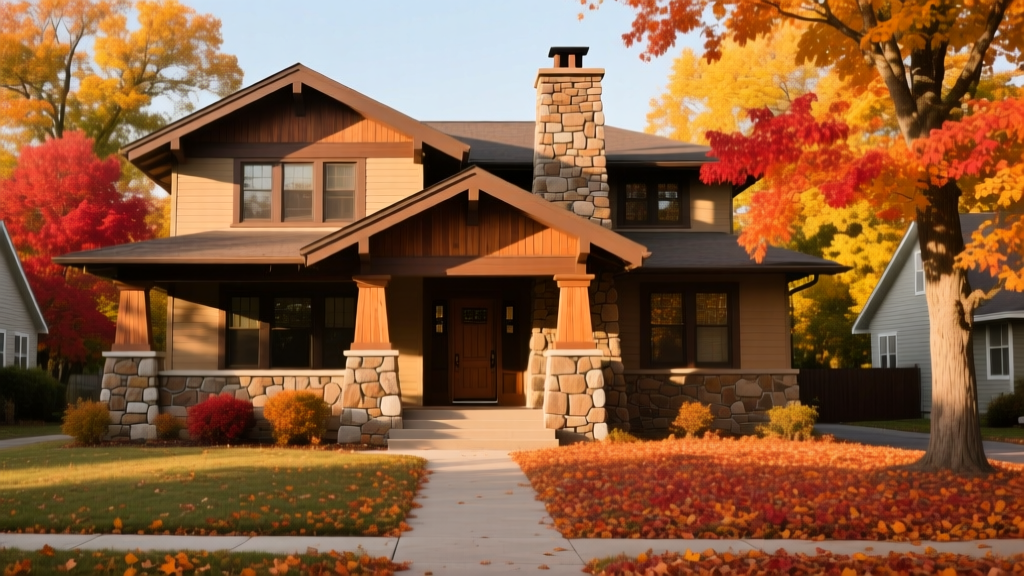
For the abundant Craftsman and Tudor homes in St. Louis, Dressed Fieldstone or River Rock profiles are ideal. These rounded, organic shapes complement the heavy timber brackets and steep gables typical of these styles. Use a buff or warm gray mortar to blend with the region's historical clay brick tones.
2. Modern Farmhouse and Transitional
In West County suburbs like Wildwood and Chesterfield, modern farmhouse designs dominate. Here, Ledgestone or Stacked Stone profiles are the standard. These linear, tightly fitted stones create a clean, contemporary look. Opt for dry-stacked installations (no visible mortar joint) in shades of charcoal or slate to contrast with white fiber-cement siding.
3. French Country and Estate
For larger estate homes in Ladue or Frontenac, Chateau or Ashlar cut stone profiles provide the necessary scale and formality. These larger, rectangular stones mimic traditional European masonry and pair exceptionally well with copper accents and slate roofing.
Natural vs. Manufactured: What Works Best in Missouri?
Homeowners often debate between natural stone quarried regionally and manufactured concrete veneer. Both have distinct advantages in the St. Louis market.
| Feature | Natural Stone (Regional Limestone/Sandstone) | Manufactured Stone Veneer (MSV) |
|---|---|---|
| Weight | Heavy (20-40 lbs/sq ft); may require structural footing. | Lightweight (8-12 lbs/sq ft); no extra footing needed. |
| Freeze-Thaw Rating | Varies wildly; must verify ASTM C568 absorption data. | Consistently high; engineered to pass ASTM C1670. |
| Color Longevity | Permanent; colors are natural minerals. | Excellent, but iron-oxide pigments can fade slightly after 30+ years in direct UV. |
| Installation Speed | Slower; requires more cutting and shaping on-site. | Faster; modular panels and consistent thickness. |
| Best Local Use | Retaining walls, heavy chimney chases, estate exteriors. | Interior fireplaces, exterior wainscoting, gable accents. |
For most residential exterior accents in St. Louis, high-quality manufactured stone from brands like Cultured Stone or Coronado offers the best balance of weight, freeze-thaw reliability, and cost. The National Concrete Masonry Association (NCMA) provides extensive technical bulletins confirming that modern MSV performs equivalently to natural stone in severe weather when installed with proper drainage mats.
2026 St. Louis Stone Veneer Cost Breakdown
Pricing for stone veneer installation in the St. Louis metropolitan area has stabilized in 2026, though skilled masonry labor remains at a premium due to high demand in West County and Metro East developments. Below is a realistic cost matrix for a standard 500-square-foot exterior accent project.
| Cost Component | Manufactured Stone (Per Sq Ft) | Natural Stone (Per Sq Ft) |
|---|---|---|
| Materials (Stone & Mortar) | $7.50 - $11.50 | $12.00 - $18.00 |
| Prep (WRB, Lath, Weep Screed) | $3.50 - $5.00 | $3.50 - $5.00 |
| Labor (St. Louis Mason Rates) | $14.00 - $19.00 | $18.00 - $24.00 |
| Scaffolding & Equipment | $1.50 - $2.50 | $2.00 - $3.50 |
| Total Installed Cost | $26.50 - $38.00 | $35.50 - $50.50 |
Hidden Local Costs to Anticipate
- HOA Architectural Reviews: In municipalities like O'Fallon or Wentzville, HOA review boards often require specific, premium color palettes, which can push material costs up by 15%.
- Demo and Disposal: If replacing existing brick or stucco, factor in $2.50 to $4.00 per square foot for demolition and local landfill tipping fees.
- Corner Pieces: Manufactured stone corner returns are priced per linear foot, not square foot. Expect to pay $12 to $18 per linear foot for matching corners.
Installation Red Flags: Vetting St. Louis Masonry Contractors
The longevity of your stone veneer depends entirely on the installer's adherence to moisture management protocols. When interviewing masonry contractors in the St. Louis area, use this technical checklist to separate true professionals from general handymen.
- The Weep Screed Question: Ask the contractor how they terminate the bottom of the veneer. The correct answer is a code-compliant weep screed (ASTM C2111) installed at least 4 inches above soil grade or 2 inches above concrete hardscapes. If they say they will "just mortar it to the foundation," walk away.
- Mortar Mix Specification: Ask what type of mortar they use. For stone veneer, Type N mortar is generally preferred over Type S. Type N offers higher bond strength and slightly more flexibility to accommodate the thermal expansion and contraction inherent in Missouri's extreme temperature swings, reducing the risk of hairline cracking.
- Lath and Fasteners: Ensure they use minimum 2.5 lb self-furring galvanized metal lath, fastened with corrosion-resistant nails or screws driven directly into the structural studs, not just the OSB sheathing.
Frequently Asked Questions
Do I need a permit for stone veneer in St. Louis County?
Yes. Most municipalities within St. Louis County (including Chesterfield, Maryland Heights, and Florissant) require a building permit for exterior cladding alterations. The inspector will specifically check the WRB installation, lath fastening patterns, and weep screed placement before the stone is laid. Unincorporated St. Louis County also enforces strict wind-load and moisture-management codes for veneers.
Can stone veneer be installed over existing brick in St. Louis?
It is possible, but not recommended to adhere it directly. Existing brick must be covered with a WRB, furring strips to create a drainage plane, and metal lath before applying the scratch coat and stone. Directly mortaring veneer to old, potentially painted or sealed brick is a primary cause of veneer failure in older St. Louis homes.
How does local air pollution affect natural stone?
While St. Louis has significantly improved its air quality over the last few decades, industrial soot and biological growth (algae/mildew) remain factors in humid, shaded areas. Dense stones like high-grade limestone resist staining better than porous sandstones. If installing in a heavily shaded, north-facing area prone to moss, specify a breathable, silane-based masonry sealer applied 28 days after the mortar cures.
Written by
Sarah WhitfieldSarah Whitfield is a chartered quantity surveyor (MRICS) and construction cost analyst with 15 years of experience in material pricing, procurement strategy, and project budgeting. She earned her degree in Construction Management from the University of Reading (UK) and has worked on projects ranging from $2M custom homes to $180M mixed-use developments across North America and Europe. Sarah currently leads cost estimating for BuildMat Insight, maintaining a proprietary database of 4,000+ material price points updated quarterly. She is a frequent contributor to RSMeans cost data panels and has presented at the International Cost Engineering Council (ICEC) congress. Based in Denver, CO, Sarah is an avid trail runner and volunteer mentor for Women in Construction.
More from Sarah Whitfield
View all
Wood & Lumber
What Are the Different Types of Wood? A Builder's Guide
Compare structural softwoods, finish hardwoods, and engineered lumber. Analyze Janka ratings, MOE values, and 2026 pricing for construction.
Aug 4, 2026

Walls & Panels
Steel Framing vs Wood Framing: Corrosion and Moisture Defense
Compare steel framing vs wood framing for moisture resistance. Learn about galvanized coatings, condensation risks, and corrosion protection strategies.
Jul 21, 2026

Stone & Masonry
How to Cut Stone Veneer: Wet Saw vs Grinder Comparison
Compare the best tools for cutting stone veneer. We review wet saws, angle grinders, and chop saws to help you achieve clean, chip-free cuts.
Jul 21, 2026