Hardiplank Siding Maintenance: A Complete Cleaning Playbook
Master Hardiplank siding maintenance with our expert cleaning playbook. Learn exact washing techniques, mold removal, and caulking repair steps.
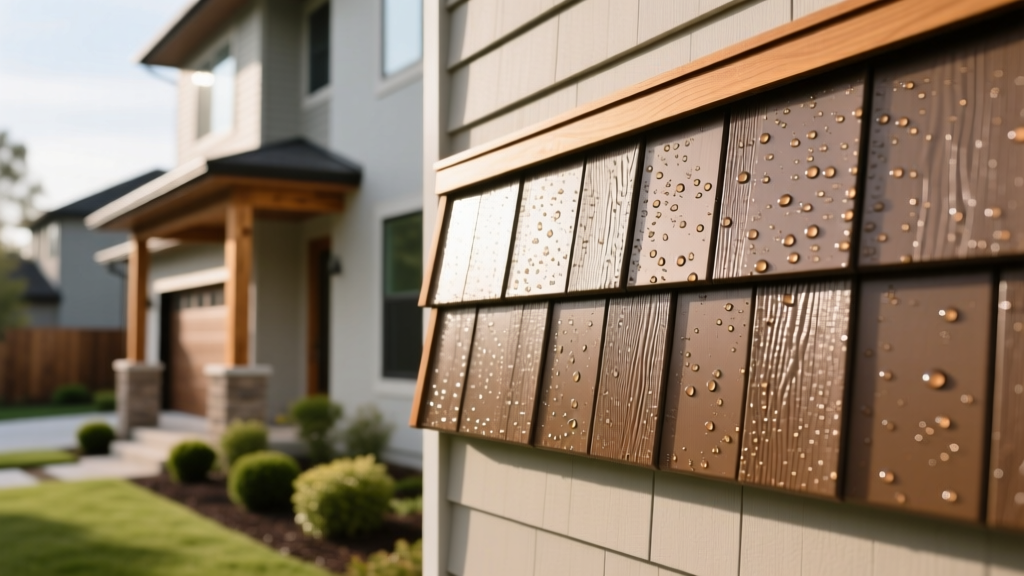
The Hardiplank Finish Matrix: ColorPlus vs. Field-Painted
James Hardie fiber cement siding (commonly referred to as Hardiplank) is engineered from Portland cement, silica sand, and cellulose fibers. While it is impervious to wood-boring insects and rot, its porous nature means it requires a disciplined maintenance playbook to prevent moisture wicking, biological growth, and paint degradation. Before applying any cleaning agents, you must identify your finish type, as factory-applied coatings react differently to chemicals than field-applied acrylics.
| Finish Type | Expected Lifespan | Cleaning Frequency | Repaint/Refinish Cycle |
|---|---|---|---|
| ColorPlus Factory Finish | 15+ years (fade resistance) | Annually | 10-15 years |
| Field-Painted (100% Acrylic Latex) | 7-10 years | Bi-annually | 7-10 years |
| Primed (Unpainted) | N/A (Must be painted within 180 days) | Pre-paint cleaning only | Immediate |
According to James Hardie's ColorPlus Technology guidelines, the factory-applied finish is baked on in multiple coats and is highly resistant to UV fading. However, it can still accumulate atmospheric dirt and biological spores that require gentle, non-abrasive cleaning to maintain the warranty.
The Annual Cleaning Protocol: Step-by-Step
Routine cleaning prevents the buildup of acidic pollutants and organic matter that can slowly degrade the acrylic binders in your paint. Follow this exact sequence every 12 to 18 months.
- Dry Brushing: Use a soft-bristle nylon brush or a microfiber mop to remove loose cobwebs, pollen, and dry dirt. Never use wire brushes or stiff-bristled brooms. Wire bristles can leave behind microscopic metal particles that will oxidize and create permanent rust stains on the cementitious surface.
- Low-Pressure Pre-Rinse: Wet the siding from top to bottom using a standard garden hose. This prevents cleaning solutions from drying too quickly and streaking the finish.
- Detergent Application: Mix a mild, non-phosphate dish soap (like Dawn) with warm water. Apply using a soft nylon brush on an extension pole. Work in small, manageable sections (e.g., 4x4 foot areas) to maintain a wet edge.
- Top-Down Rinse: Rinse the soap off immediately with clean water, working from the top down to prevent dirty water from cascading over already-cleaned lower sections.
Do not use high-pressure power washers on Hardiplank siding. If you must use a pressure washer for rinsing, the maximum output must not exceed 1,500 PSI, and you must use a wide 40-degree fan tip. Keep the nozzle at least 24 inches from the surface. High-pressure streams can fracture the cement matrix, strip the paint, and force water behind the siding, compromising your weather-resistive barrier (WRB) and causing hidden mold growth.
Targeted Stain & Biological Remediation
When standard soap fails, you need targeted chemical interventions. Fiber cement is alkaline by nature, which makes it resistant to many acids, but harsh chemicals can still damage the paint film.
Mildew and Algae Removal
While the EPA recommends specific protocols for mold cleanup, exterior mildew on siding is best treated with oxygen bleach (sodium percarbonate) rather than chlorine bleach. Chlorine bleach can degrade the acrylic resins in your paint and will severely damage surrounding landscaping.
The Recipe: Dissolve 1 cup of oxygen bleach powder (such as OxiClean) per gallon of warm water. Apply to the affected area, let it dwell for 10 to 15 minutes without drying, agitate gently with a nylon brush, and rinse thoroughly.
Rust Stains
Rust on Hardiplank usually originates from nearby metal fixtures, un-galvanized nails, or metal roof runoff. Use an oxalic acid-based cleaner (like Bar Keepers Friend Outdoor). Apply the paste, let it sit for 5 minutes, and rinse. If the rust is bleeding from a nail head, the nail must be removed, replaced with a hot-dipped galvanized or stainless steel siding nail, and the hole must be patched with exterior-grade cementitious filler.
Efflorescence (White Mineral Deposits)
Efflorescence occurs when water migrates through the cement, dissolving soluble salts and depositing them on the surface as it evaporates.
The Fix: Mix a solution of 50% white vinegar and 50% water. Spray onto the deposits, let sit for 5 minutes, scrub, and rinse. If efflorescence persists, you have a bulk water intrusion issue behind the siding that must be addressed at the flashing or WRB level.
Critical Clearances and Joint Management
Maintenance is not just about washing; it is about preserving the physical installation parameters that keep water out of the wall assembly. During your annual inspection, verify these critical clearances:
- Grade Clearance: Hardiplank must maintain a minimum 6-inch clearance above soil grade. Soil contact allows the cellulose fibers in the cement to wick groundwater, leading to edge swelling and delamination.
- Roof Clearance: Maintain a minimum 2-inch clearance above adjacent rooflines, decks, or steps to prevent capillary action and splashback damage.
- Gutter Management: Ensure downspouts discharge at least 5 feet away from the foundation to prevent soil saturation near the siding's bottom edge.
The Butt-Joint Caulking Myth
One of the most common and destructive maintenance errors homeowners make is caulking the horizontal butt joints between Hardiplank planks. Do not caulk horizontal butt joints. James Hardie designs its lap siding to act as a drainage plane. Water that gets behind the siding must be able to drain out through the uncaulked horizontal seams. Caulking these joints traps moisture inside the wall cavity, leading to structural rot.
Where to caulk: Only apply sealant at vertical joints, where the siding meets trim, corners, and penetrations (like hose bibs or vents). Use a high-performance, UV-resistant sealant like OSI QUAD Max, which offers superior adhesion to cementitious substrates and remains flexible through extreme thermal expansion and contraction cycles.
Troubleshooting Common Hardiplank Failures
Symptom: Bottom Edge Swelling and Crumbling
Cause: Capillary wicking from soil contact, mulch buildup, or roof splashback. The cellulose fibers absorb water and expand, breaking the cement matrix.
Fix: Remove soil/mulch to restore the 6-inch clearance. Cut away the damaged bottom inch of the siding using a fiber cement shears, install a Z-flashing drip edge, and seal the cut edge with a cementitious patching compound or exterior acrylic caulk.
Symptom: Paint Peeling in Large Sheets
Cause: Moisture vapor driving from the interior of the house outward, or failure to prime the back of the siding during installation (if field-painted).
Fix: Scrape the peeling paint, check interior humidity levels, and ensure bathroom/kitchen exhaust fans are venting properly. Repaint using a high-quality 100% acrylic latex exterior paint (e.g., Sherwin-Williams Emerald Exterior) applied over a masonry/fiber-cement compatible primer.
Frequently Asked Questions
Can I use a vinegar solution to clean my entire Hardiplank house?
While diluted vinegar is excellent for spot-treating efflorescence, it is not recommended for whole-house washing. The mild acidity can slowly degrade the paint's gloss and acrylic binders over time. Stick to pH-neutral mild dish soaps or dedicated exterior house washes for general cleaning.
How do I remove sap or tree resin from the siding?
Tree sap can be safely removed using a rag dampened with mineral spirits or rubbing alcohol. Gently dab the sap until it dissolves, then immediately wash the area with soapy water to remove the solvent residue, which can otherwise soften the paint.
Is it safe to use a leaf blower to dry the siding after washing?
Yes, using a battery-powered or electric leaf blower to push excess water out of the lap joints and trim crevices is an excellent way to prevent water spotting and accelerate drying, provided you do not use the blower to forcefully drive water upward under the siding laps.