The Ultimate Maintenance Playbook for Your Galvanized Steel Metal Roof
Protect your investment with our expert maintenance playbook for a galvanized steel metal roof. Learn exact cleaning ratios, rust prevention, and inspection steps.
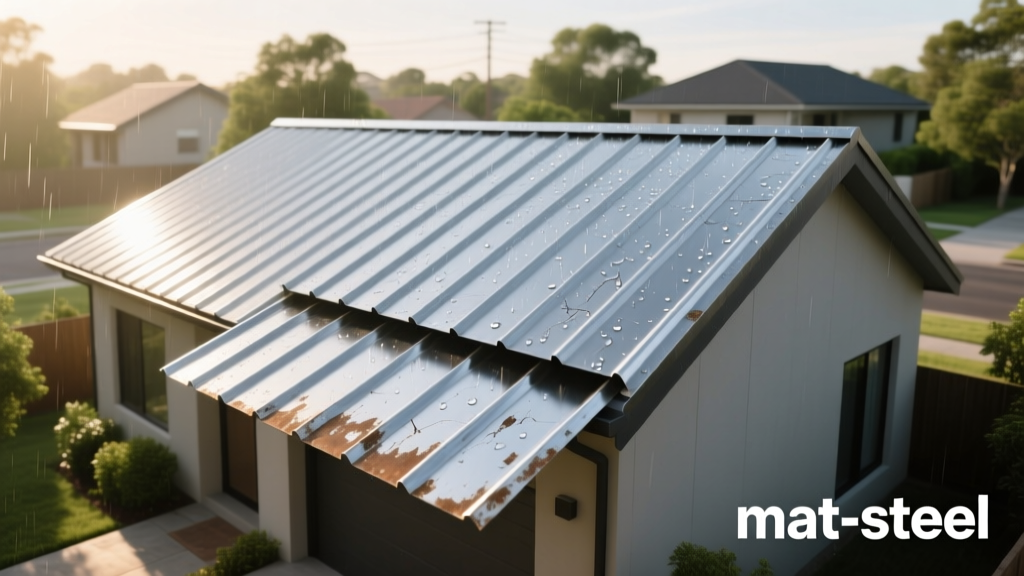
The Chemistry of Galvanized Steel: Why Standard Cleaning Fails
A galvanized steel metal roof relies on a sacrificial zinc coating to protect the underlying carbon steel from oxidation. When maintained correctly, this hot-dipped zinc layer can last 40 to 60 years. However, the zinc patina is highly reactive to specific pH levels and dissimilar metals. Standard residential cleaning practices—such as applying chlorine bleach for algae or using high-pressure power washers—will strip the zinc carbonate layer, exposing the raw steel to rapid red rust.
Understanding the chemical boundaries of your roof is the first step in this maintenance playbook. The zinc coating thrives in a neutral pH environment (between 6.0 and 8.5). Exposure to highly acidic runoff (from pine needles or unsealed cedar) or highly alkaline cleaners accelerates zinc depletion. Furthermore, the physical integrity of the zinc spangle must be preserved; abrasive scrubbing removes the protective patina faster than natural weathering.
Never allow copper flashings, copper gutters, or bare lead to contact your galvanized steel metal roof. Copper acts as a cathode to the zinc anode, causing aggressive galvanic corrosion that will eat through the steel decking in a matter of months. If your roof interfaces with copper HVAC lines or flashing, install a physical barrier (like heavy-duty EPDM rubber or butyl tape) and apply a dielectric isolation coating immediately.
Bi-Annual Inspection Checklist (Spring and Fall)
Routine visual inspections prevent minor coating failures from becoming structural liabilities. According to guidelines from the Metal Construction Association (MCA), exposed fastener roofs require the most rigorous monitoring due to thermal expansion and contraction.
- Fastener Back-Out: Check all self-drilling screws. If a screw has backed out more than 1/8 inch, do not simply retighten it. The neoprene or EPDM washer is likely compromised. Remove it and replace it with a larger diameter screw (e.g., step up from a #12 to a #14) with a fresh, oversized EPDM washer to ensure a watertight seal.
- Washer Squeeze-Out: A properly seated fastener will show a slight 'squeeze-out' of the rubber washer around the metal head. If the rubber is cracked, brittle, or flush with the metal head without bulging, it has reached the end of its UV lifespan and must be replaced.
- Sealant Lap Joints: Inspect the butyl tape or polyurethane sealant at horizontal and vertical lap joints. Look for drying, cracking, or detachment. Failed lap sealants are the primary cause of capillary water draw-in during wind-driven rain.
- Zinc Depletion (White vs. Red Rust): Identify the type of oxidation. 'White rust' (zinc hydroxide) is a powdery white substance that forms when zinc is exposed to moisture without adequate drying time (common under overhangs). It is generally cosmetic. 'Red rust' (iron oxide) indicates the zinc is entirely gone and the steel is actively corroding, requiring immediate spot treatment.
Step-by-Step Cleaning Playbook: DIY Execution
Professional cleaning is recommended for roofs with a pitch steeper than 4:12, in strict accordance with OSHA fall protection standards. For accessible, low-pitch galvanized steel metal roofs, follow this exact cleaning protocol to remove biological growth and environmental grime without damaging the zinc.
Phase 1: Debris and Dry Soil Removal
Before introducing moisture, clear all pine needles, leaves, and branch debris. Organic matter holds moisture against the steel and releases tannic acid as it decomposes, which locally lowers the pH and eats the zinc coating. Use a soft-bristle push broom (never stiff synthetic or wire bristles) to sweep debris toward the eaves.
Phase 2: The Chemical Wash and Rinse
For general dirt and mild algae, mix a Trisodium Phosphate (TSP) substitute, such as Savogran TSP-PF, at a ratio of 1/2 cup per gallon of warm water. For heavier mildew, use a dedicated metal-roof cleaner like Simple Green Pro HD diluted 1:10 with water.
- Apply the solution using a garden pump sprayer, working from the ridge down to the eaves.
- Allow the solution to dwell for 10 to 15 minutes. Do not let it dry on the surface; mist with plain water if necessary.
- Gently agitate stubborn areas with a soft car-wash mitt or a nylon-bristle brush on an extension pole.
- Rinse thoroughly using a standard garden hose. If you must use a pressure washer, restrict it to a maximum of 1,200 PSI with a 40-degree wide fan tip, keeping the nozzle at least 18 inches from the steel surface to prevent forcing water under the lap joints.
Cleaning Agents: Approved vs. Prohibited
| Chemical Agent | Status | Impact on Galvanized Zinc Coating |
|---|---|---|
| TSP Substitute / Mild Dish Soap | Approved | Safe pH; lifts dirt without stripping patina. |
| White Vinegar (Diluted 50/50) | Caution | Mild acid; use only for spot-treating hard water stains, rinse immediately. |
| Chlorine Bleach (Sodium Hypochlorite) | Prohibited | Highly alkaline; rapidly oxidizes and destroys the zinc layer. |
| Muriatic Acid / Brick Cleaners | Prohibited | Extreme acid; will dissolve the zinc coating down to bare steel in seconds. |
Rust Remediation: Spot-Treating Zinc Depletion
When red rust appears, the sacrificial zinc layer has failed in that specific localized area. According to the American Galvanizers Association (AGA), touching up damaged galvanized steel requires the application of a zinc-rich dust coating to re-establish cathodic protection.
The Remediation Protocol:
- Preparation: Use a wire cup brush attached to a cordless drill to remove all flaking red rust and loose paint. Feather the edges of the surrounding intact zinc coating. Wipe the area clean with a lint-free cloth and mineral spirits to remove oils.
- Application: Apply a cold galvanizing compound, such as ZRC Cold Galvanizing Compound or Rust-Oleum Cold Galv Spray. These products contain 93-95% zinc dust in the dry film, which electrically bonds to the steel and acts as a new sacrificial anode.
- Layering: Apply two thin coats rather than one thick coat. Allow 30 minutes of flash-off time between coats. The final dry film thickness must be at least 3.0 mils to provide adequate weather resistance.
Snow and Ice Management: Protecting the Zinc Patina
In northern climates, improper snow removal is a leading cause of premature galvanized roof failure. Never use metal snow rakes, shovels, or ice picks, as they will gouge the zinc coating down to the bare steel substrate.
Furthermore, avoid chemical ice melters containing sodium chloride (rock salt) or calcium chloride. These salts create a highly conductive electrolyte solution that accelerates galvanic corrosion. If ice damming requires chemical intervention, use urea-based ice melters, which are significantly less corrosive to galvanized metals, though manual removal with a heavy-duty plastic snow rake remains the safest protocol.
2026 Maintenance Cost Breakdown
Budgeting for roof maintenance requires understanding the current market rates for professional services versus the material costs of a DIY approach. Due to ongoing labor shortages and insurance premium hikes for roofing contractors, professional maintenance costs have seen an upward adjustment in 2026.
| Maintenance Task | DIY Cost (Materials Only) | Professional Service Rate (2026) |
|---|---|---|
| Annual Chemical Wash (per 1,000 sq ft) | $45 - $80 | $250 - $450 ($0.25 - $0.45 / sq ft) |
| Fastener Inspection & Replacement (per 50 screws) | $35 - $60 | $150 - $250 (Minimum call-out fee) |
| Spot Rust Remediation & Cold Galv Treatment | $30 - $50 (per aerosol can) | $300+ (Usually bundled with wash) |
Frequently Asked Questions
Can I paint over a galvanized steel metal roof to extend its life?
Yes, but only if the surface is properly prepared. Fresh galvanized steel is chemically passive and will reject standard alkyd or oil-based paints, causing them to peel within months. You must first allow the roof to weather for at least six months, wash it with a specialized metal prep/etching solution, and apply a high-quality acrylic latex primer designed specifically for galvanized surfaces before applying your topcoat.
How do I fix a leak around a plumbing vent boot on my galvanized roof?
Do not rely on caulking or roofing tar. Tar dries out, cracks under UV exposure, and traps moisture against the zinc. Instead, remove the old boot, clean the surrounding steel with mineral spirits, and install a new retro-fit silicone or EPDM storm collar. Secure it with stainless steel pop rivets and seal the top edge with a continuous bead of high-grade polyurethane roofing sealant (such as Geocel 2320 or Tremco Vulkem).
Is it normal for my new galvanized roof to look dull and gray instead of shiny?
Yes. The bright, spangled appearance of hot-dipped galvanized steel is temporary. Within a few months of exposure to atmospheric oxygen and moisture, the zinc reacts to form zinc oxide and zinc carbonate. This resulting patina is dull gray but is actually the protective layer that prevents further corrosion. Never attempt to scrub or chemically strip this patina to restore the 'shine'.