Light Gauge Steel Framing News: 2026 Corrosion Protection Standards
Stay updated on the latest light gauge steel framing news regarding corrosion protection, coating technologies, and 2026 code compliance for builders.

The Evolution of LGSF Corrosion Protection
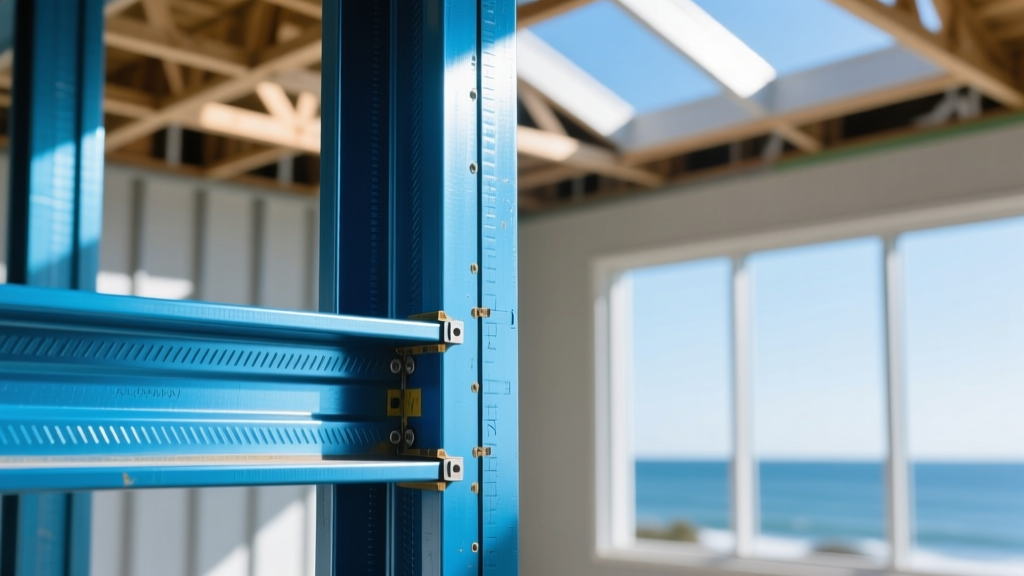
Light gauge steel framing (LGSF) continues to dominate mid-rise, commercial, and multifamily construction due to its high strength-to-weight ratio and non-combustible nature. However, moisture intrusion and galvanic reactions remain the primary threats to structural longevity. For architects and general contractors tracking the latest light gauge steel framing news, 2026 marks a definitive industry pivot. The sector is rapidly moving away from traditional G90 hot-dip galvanization toward advanced Zinc-Aluminum-Magnesium (ZAM) alloys, stricter edge-seal protocols, and updated isolation requirements for multi-material assemblies.
Understanding these material science advancements and code updates is no longer optional for coastal or high-humidity builds; it is a baseline requirement for passing structural inspections and ensuring a 50-year design life.
The Shift from G90 to Advanced Alloy Coatings
Historically, G90 (0.90 oz/sq ft of pure zinc) was the default specification for interior and protected exterior LGSF. While adequate for dry, climate-controlled interiors, G90 struggles in environments with high ambient humidity or where condensation is a factor. The latest manufacturing updates highlight a transition toward AZ50 (Galvalume) and ZAM coatings for exterior sheathing backing and parapet framing.
Coating Technology Comparison Matrix
| Coating Type | Composition | Cut-Edge Protection | Relative Cost Premium | Best Application |
|---|---|---|---|---|
| G90 | 100% Zinc | Poor (Sacrificial depletion) | Baseline | Dry interior partitions |
| AZ50 (Galvalume) | 55% Al, 43.4% Zn, 1.6% Si | Moderate (Barrier + Sacrificial) | +8% to +12% | Exterior sheathing backing |
| ZAM | Zn, 6% Al, 3% Mg | Exceptional (Dense Mg-Zn layer) | +15% to +20% | Coastal, parapets, high-humidity |
| G185 | 100% Zinc (Heavy) | Good (High sacrificial mass) | +25% to +30% | Direct concrete contact |
ZAM technology represents the most significant material science breakthrough in recent LGSF manufacturing. When a ZAM-coated stud is cut or punched in the field, the magnesium and aluminum migrate to the exposed edge, forming a dense, highly stable protective layer that halts red rust formation. This eliminates the need for field-applied cold galvanizing compounds on every single cut end, saving hundreds of labor hours on large commercial projects.
2026 Code Updates: Navigating High-Corrosion Zones
Staying current with light gauge steel framing news means paying close attention to the adoption cycles of the American Iron and Steel Institute (AISI) S100 standards and local building code amendments. For projects located in ISO 12944 C3, C4, and C5 corrosivity categories (typically within 1,500 feet of a saltwater coastline or in heavy industrial zones), standard framing practices are now actively being rejected by structural plan reviewers.
To ensure compliance and prevent premature fastener failure, specifiers must implement the following protocols for high-corrosion zones:
- Fastener Upgrades: Standard zinc-plated drywall or framing screws will fail via hydrogen embrittlement or rapid oxidation. Specify Type 304 or Type 316 stainless steel fasteners for all structural connections and exterior sheathing attachment.
- Track Isolation: Bottom tracks resting on concrete slabs must utilize a minimum 30-mil high-density polyethylene (HDPE) or EPDM sill sealer. Concrete is highly alkaline and retains moisture, creating a galvanic cell that will rapidly consume standard G90 zinc coatings.
- Flash Point Integration: Where LGSF intersects with exterior weather barriers, ensure that weep screeds and flashing materials are non-reactive or properly isolated (see galvanic isolation section below).
For comprehensive technical guidelines on these environmental classifications, contractors should consult the Steel Framing Industry Association (SFIA) technical resources, which provide exhaustive details on environmental categorization and minimum coating weights.
Galvanic Corrosion in Multi-Material Assemblies
One of the most frequent failure modes in modern commercial envelopes is galvanic corrosion between light gauge steel studs and dissimilar metals—most commonly aluminum coping, copper flashing, or untreated steel lintels. When two dissimilar metals are in electrical contact in the presence of an electrolyte (rainwater or condensation), the less noble metal (the steel stud) becomes the anode and corrodes rapidly.
Decision Matrix for Metal Isolation
Use this framework to determine the required isolation method based on the dissimilar material in contact with the LGSF:
- Aluminum to Steel: Apply a continuous bead of non-skinning butyl rubber tape (minimum 40 mils thick) or use factory-applied polyester powder coating on the aluminum extrusion. Never rely on standard construction sealants, as they can tear under thermal expansion.
- Copper to Steel: Copper is highly cathodic. You must use a physical, non-conductive barrier such as a 1/16-inch neoprene pad or heavy-duty PVC membrane separating the copper flashing from the steel framing.
- Stainless Steel to Carbon Steel: While less severe than aluminum, stainless fasteners in carbon steel studs can still cause localized pitting. Use fasteners with factory-applied polymer coatings or neoprene washer heads for exterior penetrations.
Troubleshooting Field Storage: Managing White Rust
A common issue reported on job sites is the arrival of LGSF bundles exhibiting a white, chalky residue known as 'white rust' or wet storage stain. This occurs when zinc-coated steel is stacked tightly and exposed to condensation without adequate airflow, forming zinc oxide and zinc hydroxide.
While white rust does not immediately compromise the structural integrity or the base steel, it halts the formation of the protective zinc carbonate patina and looks highly unprofessional to building inspectors. If your framing delivery arrives with white rust, follow this remediation protocol:
3-Step White Rust Remediation
- Assess and Separate: Immediately break the bands on the affected bundles. Separate the studs to allow ambient airflow. If the white residue wipes off easily to reveal intact, shiny zinc beneath, the coating is intact and no chemical treatment is required—just dry storage.
- Mechanical Removal: If the white rust is heavy and crusty, use a stiff nylon or brass bristle brush to remove the deposits. Avoid steel wire brushes, as they will embed iron particles into the zinc coating, creating new sites for red rust.
- Chemical Passivation: For severe cases where the underlying zinc appears dull or slightly etched, apply a zinc-rich cold galvanizing compound (such as Galvafroid or Rust-Oleum Cold Galv) to restore the sacrificial layer. Ensure the surface is completely dry before application.
For further metallurgical standards and coating specifications, refer to the American Iron and Steel Institute (AISI) standards library, which dictates the acceptable tolerances for coating adhesion and thickness in structural framing members.
Expert Takeaway: Specifying for Maximum Lifespan
The narrative surrounding light gauge steel framing news in 2026 is clear: the industry is demanding higher performance from the building envelope's structural skeleton. Relying on baseline G90 coatings for all applications is an outdated practice that exposes builders to severe liability in moisture-prone environments.
To optimize your next project, mandate AZ50 or ZAM coatings for all exterior-facing studs, parapets, and shaft wall assemblies. Enforce strict dissimilar metal isolation protocols using butyl and neoprene barriers, and transition to stainless steel fasteners for any connection point outside the vapor barrier. By integrating these advanced material specifications, you ensure that the structural frame will outlast the exterior cladding, eliminating the most common vectors for envelope failure and costly litigation.
Written by
Priya KapoorPriya Kapoor is a real estate market analyst and construction economics researcher with expertise in housing affordability, development feasibility, and infrastructure investment. She holds a Master of Regional Planning from Cornell University and previously worked as a senior analyst at CBRE's Investment Properties group, where she modeled returns for $4B in mixed-use development pipelines. Priya now runs an independent research practice advising developers, municipalities, and REITs on construction cost forecasting and market timing. She publishes the quarterly "BuildMat Market Pulse" report tracking material price indices across 12 commodity categories. Based in Austin, TX, Priya serves on the board of Habitat for Humanity Austin and is a marathon runner.
More from Priya Kapoor
View all
Construction Cost
Cost to Build a 1600 Sq Ft Home in 2026: Full Breakdown
Accurate 2026 cost to build a 1600 sq ft home—material, labor, and regional pricing breakdowns included. Plan your budget with real-time estimates.
Aug 11, 2026

Wood & Lumber
Name the Types of Wood for Pressure Treatment and Preservation
Learn how to name the types of wood best suited for pressure treatment. Compare species treatability, chemical retention levels, and 2026 preservation costs.
Aug 4, 2026

Stone & Masonry
Stone Veneer Suppliers Lindenhurst: 2026 Cost Analysis
Analyze 2026 stone veneer costs in Lindenhurst, NY. Compare local supplier pricing, delivery fees, and Suffolk County installation labor rates.
Aug 4, 2026