Standing Seam Metal Roof Cost: 2026 Panel Taxonomy & Selection
Analyze standing seam metal roof cost by panel taxonomy. Compare snap-lock, mechanical seam, and batten panels to select the right steel roofing system.
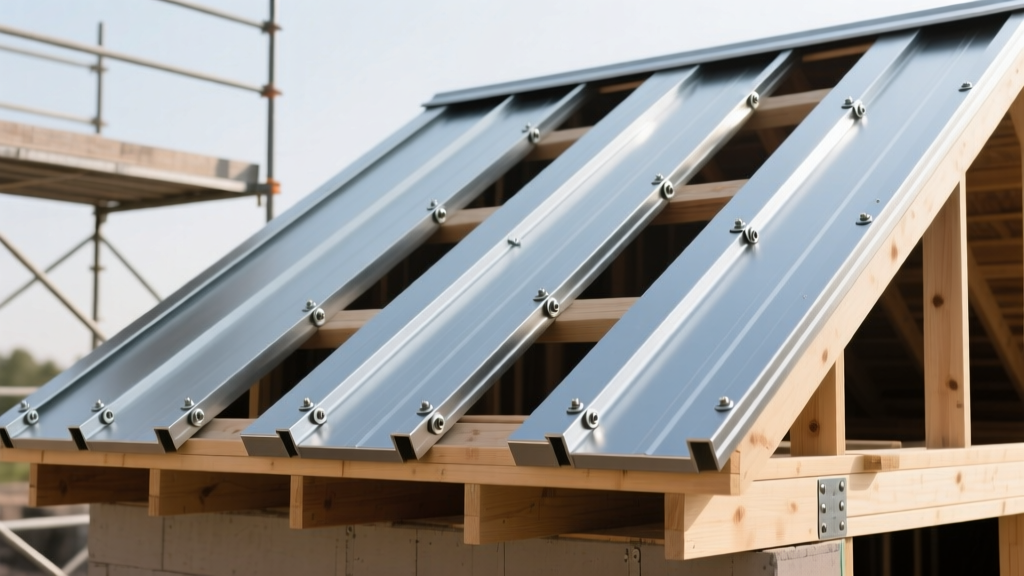
Evaluating the true standing seam metal roof cost requires moving beyond simple square-footage averages. The total financial outlay and long-term performance of a steel roofing system are fundamentally dictated by panel taxonomy—the specific geometric profile, seaming mechanism, and clip design engineered into the metal. A snap-lock panel designed for steep residential pitches carries a vastly different material and labor cost profile than a double-lock mechanical seam engineered for low-slope commercial applications subjected to hurricane-force wind uplift. This guide deconstructs the standing seam metal roof cost landscape through the lens of material taxonomy, providing a precise selection framework for architects, builders, and facility managers in 2026.
The Core Taxonomy of Standing Seam Steel Panels
Standing seam roofs are categorized by how the adjacent panel edges interlock and how the panels attach to the structural substructure. Understanding these mechanical distinctions is the first step in accurate cost estimation and material selection.
1. Snap-Lock Profiles
Snap-lock panels feature male and female legs that interlock via a simple snapping mechanism, requiring no specialized seaming tools. They are attached to the roof deck using concealed sliding clips that allow for thermal expansion and contraction. Because installation is faster and requires less specialized labor, snap-lock systems generally represent the lowest installed cost within the standing seam category. However, they are strictly limited to roof pitches of 3:12 or greater. Attempting to use snap-lock profiles on lower slopes invites capillary action, where water is drawn upward into the seam via surface tension, leading to catastrophic leaks.
2. Mechanical Lock (Double-Lock) Profiles
Mechanical lock panels require the seams to be folded over one another (usually twice, forming a 180-degree double lock) using manual hand seamers or robotic mechanical seaming equipment. This creates a highly rigid, watertight seam capable of withstanding extreme wind uplift and heavy hydrostatic pressure. Mechanical lock systems can be installed on roof pitches as low as 0.5:12 (with specialized sealants). The standing seam metal roof cost for mechanical systems is higher due to the increased labor time, the necessity of robotic seaming equipment for large commercial jobs, and the higher gauge steel often required to survive the mechanical folding process without fracturing the paint coating.
3. Tee Seam and Batten Panels
Tee seam (or batten) panels utilize a separate batten strip that caps over the vertical legs of adjacent panels, which is then mechanically seamed or snapped into place. This taxonomy is primarily architectural, favored for complex roof geometries, radii, and historical restorations. The material cost is higher due to the additional batten cap components, and installation is highly labor-intensive, making this the most expensive standing seam variant per square foot.
2026 Standing Seam Metal Roof Cost Matrix
The following matrix outlines current market pricing for 24-gauge Galvalume steel panels with a standard PVDF (Kynar 500) paint finish. Costs include materials, clips, fasteners, and professional installation, but exclude structural deck preparation, insulation, and tear-off of existing roofing.
| Panel Taxonomy | Material Cost (per sq. ft.) | Installed Cost (per sq. ft.) | Minimum Pitch | Primary Cost Driver |
|---|---|---|---|---|
| Snap-Lock (1.5" Seam) | $5.50 - $7.00 | $12.00 - $16.50 | 3:12 | Speed of installation; standard clip spacing |
| Mechanical Lock (2" Seam) | $6.50 - $8.50 | $16.00 - $22.00 | 0.5:12 | Robotic seaming labor; sealant application |
| Mechanical Lock (3" Seam) | $8.00 - $10.50 | $19.00 - $26.00 | 0.5:12 | High-wind engineering; heavier gauge requirements |
| Tee Seam / Batten | $9.00 - $12.00 | $24.00 - $32.00 | 2:12 | Extra batten cap material; complex flashing labor |
Hidden Cost Variables: Substrate, Gauge, and Coatings
Selecting the panel profile is only half the equation. The metallurgical composition and chemical coatings applied to the steel substrate introduce significant cost variances that directly impact the lifecycle ROI of the roof.
Steel Substrate and Galvanic Coatings
The industry standard for standing seam roofing is Galvalume (aluminum-zinc alloy coated steel), governed by ASTM A792 specifications. Galvalume provides superior cut-edge protection and thermal reflectivity compared to traditional galvanized (zinc-only) steel. When budgeting, specify an AZ50 coating designation (0.50 ounces of aluminum-zinc per square foot) for standard commercial applications. For coastal environments or structures exposed to high industrial fallout, upgrading to an AZ55 coating increases the material cost by approximately 8% to 12% but drastically delays substrate corrosion.
Paint Systems: SMP vs. PVDF
The exterior color coating represents a critical cost and performance decision. Silicone Modified Polyester (SMP) paints are the budget option, costing roughly $1.00 to $1.50 less per square foot than premium systems. However, SMP is prone to chalking and UV fading within 10 to 15 years. For any project requiring long-term color retention, specify a 70% PVDF (Polyvinylidene Fluoride) resin system, commonly known by the trade names Kynar 500 or Hylar 5000. PVDF systems cost more upfront but maintain their structural integrity and reflectivity for 40+ years, a fact corroborated by long-term weathering data from the Metal Construction Association (MCA).
Never value-engineer a low-slope roof (below 3:12 pitch) by substituting a mechanical lock panel with a snap-lock profile to save on installation labor. Snap-lock seams lack the hydrostatic watertight seal required for low slopes. Water pooling from ice damming, debris accumulation, or structural deflection will inevitably breach the seam via capillary draw, voiding the manufacturer's warranty and resulting in interior water damage that far exceeds the initial installation savings.
Selection Framework: Matching Panel Taxonomy to Project Specs
Use this decision matrix to align the correct standing seam taxonomy with your specific structural and environmental parameters:
- Steep Pitch (>4:12) & Moderate Wind Zones: Select 1.5-inch Snap-Lock. Maximizes installation speed and minimizes labor costs while providing excellent weather shedding.
- Low Slope (0.5:12 to 2:12) & High Precipitation: Select 2-inch Mechanical Lock with factory-applied hot-melt sealant in the seam. Mandatory for preventing hydrostatic water infiltration.
- Hurricane-Prone Coastal Zones (HVHZ): Select 3-inch Mechanical Lock in 22-gauge steel. The taller seam accommodates heavier structural clips spaced at 12 inches on center, required to pass stringent ASTM E1592 wind uplift testing for Category 4/5 storm events.
- Complex Geometry (Curves, Tapers, Dormers): Select Tee Seam / Batten. The separate batten cap allows for on-site manipulation and seamless transitions across compound angles that rigid snap-lock or mechanical panels cannot achieve without oil-canning.
Long-Term ROI and Lifecycle Cost Analysis
When evaluating standing seam metal roof cost, initial capital expenditure must be weighed against lifecycle maintenance and energy savings. A properly detailed 24-gauge Galvalume mechanical lock roof carries a 60-year structural lifespan. Unlike asphaltic or single-ply membranes that require replacement every 15 to 20 years, a standing seam steel roof effectively operates as a permanent building envelope.
Furthermore, specifying a cool-roof certified PVDF finish (Solar Reflectance Index > 50) can reduce peak cooling loads by 10% to 15%. According to the U.S. Department of Energy, high-albedo roofing systems significantly mitigate the urban heat island effect and lower HVAC operational costs over the building's lifespan. When factoring in the elimination of bi-annual membrane tear-offs, the avoided disposal costs, and the energy dividends, the lifecycle cost of a premium standing seam steel roof frequently undercuts cheaper initial alternatives by year 25, making it a mathematically superior capital allocation for commercial and institutional facilities.