The Ultimate Maintenance Playbook for a Wood Fence with Metal Posts
Master the maintenance playbook for a wood fence with metal posts. Learn cleaning techniques, rust prevention, and wood sealing strategies.
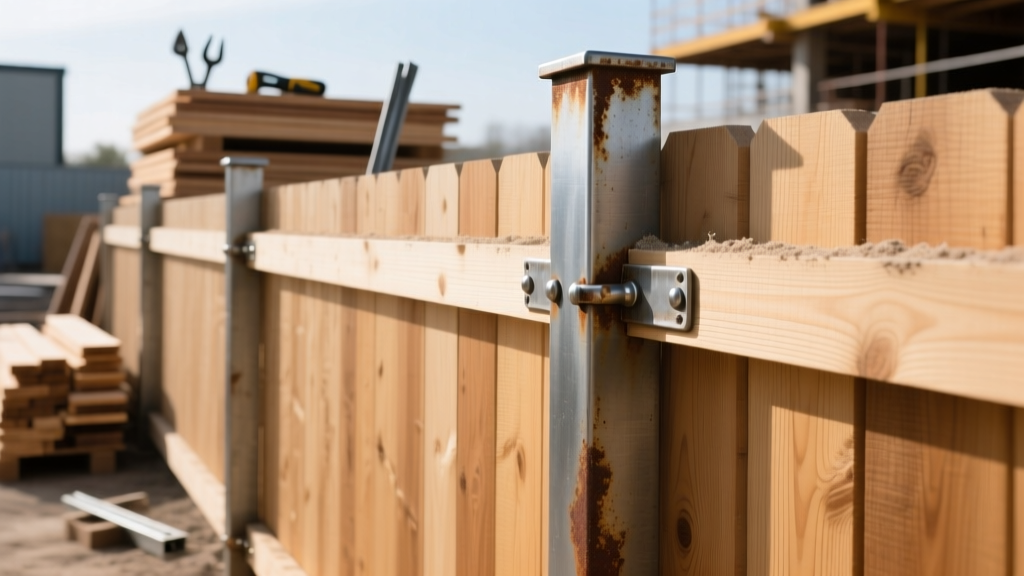
The Hybrid Advantage: Why Metal Posts Change the Maintenance Game
Hybrid fencing systems that pair natural wood pickets with galvanized steel posts—such as 14-gauge PostMaster Plus rails or 2-3/8-inch Schedule 40 steel pipe—eliminate the most common cause of fence failure: subterranean post rot. While the steel substructure is virtually immune to the biological decay that destroys traditional 4x4 wooden posts, the wood-to-metal interface introduces unique maintenance variables. Moisture trapping, galvanic corrosion, and differential expansion rates require a specialized maintenance playbook. This guide details the exact protocols for cleaning, inspecting, and sealing a wood fence with metal posts to maximize its 25-plus-year lifespan.
Phase 1: The Chemistry of Cleaning (Wood vs. Galvanized Steel)
The most critical mistake homeowners make when cleaning a hybrid fence is using sodium hypochlorite (chlorine bleach). While chlorine bleach effectively kills mildew on wood, the runoff is highly corrosive to the zinc coating on galvanized steel posts and mounting brackets. Stripping the zinc layer exposes the raw steel beneath, guaranteeing red rust within a single season.
Never use chlorine bleach on a hybrid fence. Furthermore, if your wood pickets are pressure-treated with Alkaline Copper Quaternary (ACQ) or Copper Azole (CA), the copper chemicals will aggressively corrode standard aluminum or uncoated steel brackets. Always verify that your metal hardware is rated for copper-treated lumber, or use untreated Western Red Cedar to bypass this chemical reaction entirely.
The Sodium Percarbonate Protocol
Instead of chlorine, use oxygen bleach (sodium percarbonate). According to the EPA Safer Choice guidelines, oxygen bleach breaks down into oxygen, water, and soda ash, making it non-corrosive to galvanized metal hardware while still lifting deep-set organic stains from wood fibers.
- Mixing Ratio: Dissolve 1.5 pounds of powdered sodium percarbonate in 1 gallon of warm water (100°F to 110°F activates the oxygen release).
- Dwell Time: Apply via pump sprayer and allow it to dwell for 10 to 15 minutes. Do not let it dry on the surface.
- Agitation: Use a soft-bristle nylon brush on heavily soiled cedar or pine pickets, brushing strictly in the direction of the wood grain to avoid splintering.
Phase 2: Precision Pressure Washing
When rinsing the fence, pressure washing must be carefully calibrated. Wood pickets attached to rigid metal posts do not flex the way all-wood fences do under high-pressure streams, making them susceptible to localized gouging if the nozzle is held too close.
- Equipment Setup: Use a gas or electric pressure washer rated between 1,200 and 1,500 PSI. Anything above 1,800 PSI will etch the soft spring wood of cedar and pine.
- Nozzle Selection: Attach a 25-degree white tip. Avoid the 0-degree red tip (pinpoint) and the 40-degree yellow tip (too wide to remove embedded dirt).
- Distance and Angle: Maintain a strict 12-inch distance from the wood surface. Hold the wand at a 45-degree downward angle to prevent forcing water behind the pickets and into the metal bracket connections.
- Overlap Technique: Keep the wand moving in continuous, overlapping strokes to prevent 'zebra striping' on the wood face.
Phase 3: Inspecting the Metal-Wood Interface
The connection points where wood rails and pickets meet the steel posts are the highest risk zones for moisture entrapment. Water pooling on the horizontal flanges of a PostMaster post can lead to localized wood rot and bracket rust.
The Fastener Audit
Electroplated screws will rust and streak the wood within two years. During your annual inspection, audit the fasteners holding the wood to the metal. If you see red streaking, replace the screws immediately. For a permanent fix, upgrade to 316-grade stainless steel screws (such as Simpson Strong-Tie #8 x 1-1/4-inch stainless trim-head screws). Type 304 stainless steel is acceptable for dry climates, but 316 is mandatory for coastal or high-humidity regions due to its superior molybdenum content, which resists chloride pitting.
Clearing the Weep Holes
Manufacturers like Master Halco design steel posts with integrated weep holes at the base to allow internal condensation to drain. During your spring inspection, use a wire brush or compressed air to clear dirt, spider webs, and debris from these weep holes. Blocked weep holes trap water inside the steel post, leading to internal rust and winter freeze-thaw expansion damage.
Phase 4: Sealer Selection Matrix for Hybrid Fences
Applying the wrong sealer is a common failure point. Film-forming acrylic sealers create a plastic-like shell over the wood. When the wood expands and contracts at a different rate than the steel post, the acrylic film cracks, trapping moisture directly against the metal flange. Always use penetrating oil-based stains for hybrid systems.
| Sealer Type | Penetration Depth | Maintenance Cycle | Hybrid Fence Suitability |
|---|---|---|---|
| Penetrating Alkyd-Oil (e.g., TWP 100 Series) | Deep (cellular level) | 2 to 3 Years | Excellent (No peeling, allows moisture vapor transfer) |
| Modified Oil-Emulsion (e.g., Armstrong Clark) | Medium-Deep | 2 to 4 Years | Very Good (Conditioning oils prevent wood from pulling away from steel brackets) |
| Water-Based Acrylic (e.g., Thompson's WaterSeal Advanced) | Surface only | 1 Year | Poor (Forms a film that traps moisture against metal flanges) |
| Clear Water Repellent (Siloxane-based) | Surface | 1 to 2 Years | Fair (Offers water resistance but zero UV protection for wood) |
According to research from the USDA Forest Products Laboratory, penetrating oil finishes significantly reduce the moisture differential between the exposed face and the hidden face of wood pickets, minimizing the cupping and twisting that can warp wood away from rigid steel posts.
The Annual Maintenance Playbook
Execute this seasonal checklist to maintain the structural integrity and aesthetic of your hybrid fence.
Spring (Post-Frost)
- Clear all weep holes at the base of the metal posts.
- Inspect the soil grade; ensure dirt and mulch are pulled back at least 2 inches from the bottom of the wood pickets to prevent wicking, even though the posts themselves are in the ground.
- Perform the fastener audit, replacing any rusted electroplated screws with 316 stainless steel.
Summer (Dry Season)
- Execute the sodium percarbonate deep clean and pressure wash protocol.
- Allow the wood to dry completely (minimum 48 hours of low humidity) before applying a penetrating alkyd-oil stain.
- Apply stain using a pump sprayer followed by a back-brush to force the oil into the wood pores, paying special attention to the end-grains where the wood meets the metal brackets.
Fall (Pre-Winterization)
- Clear fallen leaves and debris from the bottom rail and post bases. Decomposing organic matter holds moisture against the steel and accelerates localized corrosion.
- Check for any loose pickets caused by summer wood shrinkage and tighten the stainless steel fasteners.
By treating the wood and metal components as an integrated system rather than isolated materials, you leverage the rot-proof longevity of the steel posts while preserving the natural beauty of the wood pickets for decades.