Difference Between Cement and Concrete: A Cleaning & Maintenance Guide
Master the difference between cement and concrete with our expert maintenance playbook for precise cleaning, repair, and sealing protocols.
The Core Distinction: Why Material Composition Dictates Maintenance
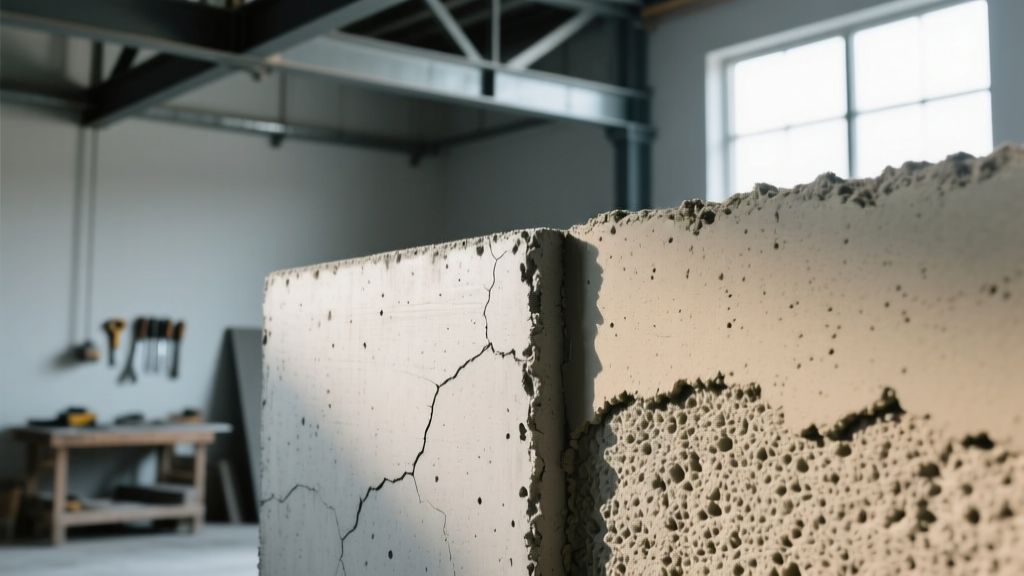
Homeowners and facility managers frequently use the terms interchangeably, but understanding the exact difference between cement and concrete is the foundational prerequisite for any successful surface maintenance, cleaning, or repair playbook. Cement is not a final surface material; it is a fine powdered binder—primarily Portland cement, composed of calcined limestone and clay. Concrete is the composite structural material created when cement is mixed with water and aggregates (sand, gravel, or crushed stone).
Why does this distinction matter for maintenance? Because the chemical vulnerabilities of your surface depend entirely on which component is exposed. The cement paste (the glue) is highly alkaline and vulnerable to acid etching. The silicate aggregates (the rock) are largely inert and acid-resistant. Treating a concrete driveway as if it were a uniform block of 'cement' leads to catastrophic cleaning failures, such as etching smooth finishes or failing to properly bond patching compounds. According to the National Ready Mixed Concrete Association (NRMCA), the cement paste typically makes up only 10% to 15% of the concrete mix by volume, yet it dictates 90% of the surface's chemical reactivity.
Never attempt to patch a concrete crack or spall using pure Portland cement mixed with water. Without aggregates to provide structural bulk and mitigate shrinkage, pure cement paste will shrink rapidly, crack, and pop out of the repair cavity within weeks. Always use a polymer-modified concrete patching compound that replicates the aggregate-to-binder ratio of the original slab.
Chemical Reactions: How Cleaners Affect Cement Paste vs. Aggregates
Selecting a cleaning agent requires knowing whether you are trying to clean the cementitious binder or the aggregate. This matrix outlines how different chemical classes interact with the two distinct components of your slab.
| Cleaner Type | Effect on Cement Paste (Binder) | Effect on Silicate Aggregates | Best Application |
|---|---|---|---|
| Acidic (pH < 6) e.g., Muriatic, Phosphoric |
Dissolves calcium hydroxide; etches and pits the surface. | Largely inert; no structural damage. | Intentional etching for exposed aggregate; heavy rust removal (unsealed). |
| Alkaline (pH > 9) e.g., Sodium Hydroxide, Potassium |
Safe for the paste; does not etch. | Safe; effectively lifts oils from porous stone. | Degreasing driveways, removing tire marks, and organic stain lifting. |
| Neutral (pH 7-8) e.g., Surfactant blends |
Completely safe; preserves surface profile. | Safe; lifts surface dirt without penetration. | Routine maintenance of stamped, stained, or sealed concrete. |
| Enzymatic / Biological e.g., Bacillus bacteria blends |
Safe; enzymes consume hydrocarbons without altering pH. | Safe; penetrates aggregate pores to eat oil. | Deep extraction of embedded petroleum stains in garages. |
The Concrete Maintenance Playbook: Step-by-Step Protocols
Maintenance is not a one-size-fits-all endeavor. The protocol changes based on the finish of the concrete and the nature of the soiling. The Portland Cement Association emphasizes that aggressive cleaning methods can permanently alter the surface profile of cementitious finishes, making preventive and targeted cleaning essential.
Protocol A: Routine Maintenance for Stamped and Sealed Surfaces
Stamped and colored concrete relies on a thin layer of cement paste at the surface to hold the pigment and texture. Acidic cleaners will destroy this layer.
- Dry Removal: Use a stiff-bristle push broom to remove abrasive debris (sand, gravel) that can micro-scratch the acrylic sealer.
- Washing: Apply a pH-neutral concrete cleaner (pH 7.0 to 8.0). Avoid household dish soaps, which often contain degreasers that can strip acrylic sealers over time.
- Agitation: Use a soft-bristle deck brush. Never use wire brushes or black scrubbing pads, which will leave metallic rust stains embedded in the cement pores.
- Rinsing: Pressure wash at a maximum of 1,500 PSI with a 25-degree fan tip, keeping the nozzle at least 12 inches from the surface to avoid cutting into the sealer.
Protocol B: Efflorescence and Mineral Deposit Eradication
Efflorescence is a white, powdery deposit of water-soluble salts (primarily calcium carbonate) left on the surface when water evaporates from the cement paste.
- Step 1: Dry Brushing. Remove loose powder before introducing water. Adding water to heavy efflorescence can drive the salts back into the concrete pores.
- Step 2: Chemical Treatment. Avoid harsh muriatic acid (hydrochloric acid), which can cause severe etching and discoloration. Instead, use a diluted phosphoric acid cleaner (typically 10% concentration). Phosphoric acid reacts with the calcium carbonate to form calcium phosphate, an insoluble salt that brushes away easily without aggressively eating the surrounding cement paste.
- Step 3: Neutralization. Rinse thoroughly and apply a mild alkaline neutralizer (like a baking soda and water solution) to halt the acid reaction and restore the concrete's natural alkaline pH.
Protocol C: Deep Petroleum and Oil Stain Extraction
Oil penetrates deeply into the microscopic capillaries of both the cement paste and the porous aggregates.
For stubborn oil stains, liquid cleaners are insufficient because they evaporate before pulling the oil out. Create a poultice by mixing an alkaline degreaser or enzymatic cleaner with an absorbent powder (like diatomaceous earth or kaolin clay) to form a thick paste. Trowel it 1/4-inch thick over the stain, cover with plastic wrap, and tape the edges. Leave for 48 hours. As the water evaporates through the microscopic pores, it pulls the dissolved oil up into the clay matrix.
Repairing vs. Replacing: Selecting the Right Patching Compound
When concrete spalls or cracks, the repair material must mimic the structural properties of the original composite. Understanding the difference between cement and concrete prevents the common mistake of using pure cementitious grouts for structural repairs.
- Feather-Edge Repairs (Under 1/2 inch): Use a polymer-modified cementitious patch (e.g., Ardex Feather Finish or Quikrete Vinyl Concrete Patcher). The polymers (typically acrylic or EVA) provide the adhesion and flexibility that pure cement lacks, preventing the thin patch from curling and cracking at the edges.
- Deep Structural Patches (Over 1/2 inch): Use a sand-mix or coarse aggregate concrete patch. These contain the necessary silicate aggregates to reduce shrinkage and provide compressive strength matching the original slab (typically 3,000 to 4,000 PSI).
- Active Crack Repair: Do not use rigid cement patches for cracks that expand and contract with thermal cycling. Use a flexible polyurethane or polysulfide concrete sealant, which accommodates joint movement without tearing the cementitious bond.
Sealing Strategies Based on Material Composition
The final step in any maintenance playbook is protecting the surface. The choice of sealer depends on whether you want to protect the cement paste from within or shield the entire composite from above.
Penetrating Sealers (Silane / Siloxane)
These are the gold standard for unsealed, natural concrete driveways and sidewalks. Silane and siloxane molecules are small enough to penetrate the capillary pores of both the cement paste and the aggregates. They react chemically with the free alkali in the cement to form a hydrophobic resin deep within the matrix. This prevents water and chloride intrusion (which causes rebar corrosion and freeze-thaw spalling) without altering the surface traction or appearance.
Film-Forming Sealers (Acrylic / Polyurethane)
Required for stamped, stained, or epoxy-coated concrete. These sealers do not penetrate deeply; instead, they form a protective sacrificial wear layer over the cement paste. They enhance color and provide UV resistance but require reapplication every 1 to 3 years as the film wears away from foot and vehicle traffic.
Frequently Asked Questions
Can I use vinegar to clean my concrete driveway?
White vinegar is a mild acetic acid (pH ~2.5). While it is safe for occasional spot treatment of hard water spots on highly durable, unsealed concrete, frequent use will slowly etch the calcium hydroxide in the cement paste, leading to a dull, pitted surface over time. It should never be used on stamped, colored, or sealed concrete.
Why is my new concrete surface flaking off?
Surface flaking (scaling) is rarely a failure of the aggregates; it is a failure of the cement paste. This usually occurs when water was added to the surface during the troweling process to smooth it out. This excess water weakens the top 1/8 inch of the cement binder, creating a fragile layer that flakes off after the first freeze-thaw cycle. Proper maintenance involves sealing the surface with a penetrating siloxane sealer to prevent water intrusion from accelerating the scaling.
Is cement dust dangerous to breathe during grinding or repairs?
Yes. Dry Portland cement contains hexavalent chromium and crystalline silica. When grinding concrete surfaces or mixing dry cement powder, the airborne dust poses severe respiratory risks, including silicosis. The American Concrete Institute (ACI) and OSHA strictly mandate the use of N95 or P100 respirators and wet-cutting methods to suppress silica dust during any mechanical concrete preparation.