What Is Grout? The Ultimate Maintenance and Cleaning Playbook
Discover what is grout, its chemical makeup, and expert maintenance playbooks. Learn exact cleaning protocols, sealing schedules, and failure fixes.
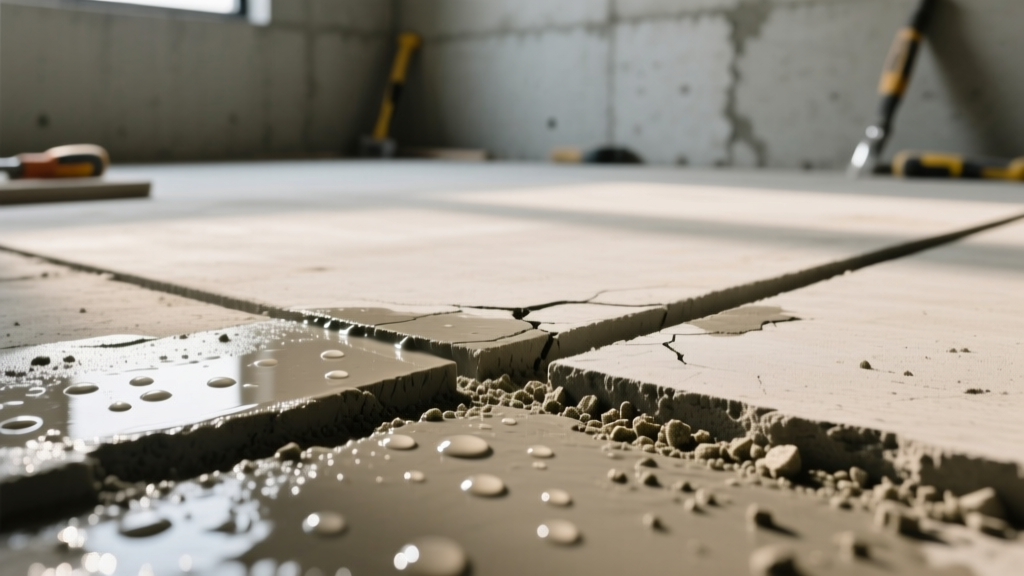
Defining the Matrix: What Is Grout Exactly?
To maintain a surface, you must first understand its chemical composition. At its core, grout is a dense, fluid mixture used to fill voids, seal joints, and provide structural continuity between tiles or masonry units. However, asking 'what is grout' yields different answers depending on the specific matrix you are dealing with. Modern grouts fall into four distinct chemical categories, each dictating a completely different maintenance and cleaning playbook.
Cementitious grout is a Portland cement-based matrix modified with sand and polymers. It is highly alkaline (pH 10-12 when cured) and inherently porous, making it a magnet for moisture, oils, and biological growth. Epoxy grout consists of thermosetting resins and a hardener, creating a non-porous, highly stain-resistant joint that is impervious to most acids and alkalis. Urethane grout is a pre-mixed, water-based polymer that offers flexibility and stain resistance without the need for sealing. Furan grout is a specialized, highly chemical-resistant polymer used almost exclusively in industrial and commercial food-processing environments.
The Grout Identification and Maintenance Matrix
Before applying any chemical cleaner, identify your grout type. Using an acidic cleaner on cementitious grout will etch the cement matrix, while using harsh solvents on certain epoxies can cause surface degradation. Consult the matrix below to align your material with the correct maintenance protocol.
| Grout Type | Base Composition | Porosity | Stain Resistance | Avg. Material Cost (per 10lb) | Sealing Required? |
|---|---|---|---|---|---|
| Cementitious (Sanded) | Portland cement, silica sand, polymers | High | Low | $15 - $25 | Yes (Penetrating) |
| Epoxy | Bisphenol-A resin, amine hardener | None | Very High | $65 - $95 | No |
| Urethane | Water-based urethane polymers | Very Low | High | $45 - $60 | No |
| Furan | Furfuryl alcohol resin, carbon powder | None | Extreme (Chemicals) | $120+ | No |
The Daily and Weekly Maintenance Playbook
The most common cause of grout failure is the cumulative degradation of the joint surface through improper daily cleaning. According to guidelines from the Tile Council of North America (TCNA), the primary rule of grout maintenance is pH neutrality for routine cleaning.
For daily and weekly maintenance, exclusively use pH-neutral cleaners (pH 6.5 to 7.5). Products like Zep Neutral Floor Cleaner or Aqua Mix Concentrated Stone & Tile Cleaner lift surface soils without breaking down the polymer modifiers in cementitious grout or dulling the surface of epoxy grouts.
The 'No-Go' Chemical List
Avoid the following chemicals during routine maintenance, as they cause irreversible micro-structural damage:
- Ammonia-based cleaners: Will degrade the colorants in dyed cementitious grouts and leave a hazy film on epoxy.
- Bleach (Sodium Hypochlorite):strong> While it temporarily whitens grout by oxidizing organic stains, repeated use destroys the cementitious binder, leading to powdery degradation and joint failure.
- Hydrochloric/Muriatic Acid: Never use on cementitious grout. It aggressively dissolves the Portland cement matrix, permanently widening the joint and exposing the tile edges to chipping.
- Abrasive Powders (e.g., Comet, Ajax): Will scratch the surface of polished porcelain tiles and micro-abrasion the smooth finish of epoxy grout, creating micro-crevices where dirt will permanently anchor.
Deep Cleaning Protocol: Step-by-Step Restoration
When routine maintenance fails and grout lines become deeply embedded with grease, soap scum, or biological growth, a restorative deep clean is required. This protocol is designed for heavily soiled cementitious grout in wet areas (showers, backsplashes).
- Pre-Sweep and Vacuum: Remove all loose particulate matter. Dragging grit across wet grout creates a lapping compound that scratches tile surfaces.
- Apply Alkaline Degreaser: For soap scum and body oils, apply an alkaline cleaner (pH 8.5 to 10.0) such as Black Diamond Ultimate Grout Cleaner or Custom Building Products TileLab Grout & Tile Cleaner. Alkaline solutions saponify fats and oils, lifting them from the porous cement matrix.
- Enforce Dwell Time: Allow the chemical to dwell for 5 to 10 minutes. Do not let the solution dry on the surface. Mist with water if it begins to evaporate.
- Mechanical Agitation: Agitate the joints using a stiff polypropylene bristle grout brush or an oscillating multi-tool with a soft bristle attachment. Avoid wire brushes, which will leave iron deposits that rust and stain the grout.
- Extraction and Rinsing: Use a wet-vac to extract the suspended soil and chemical residue. Rinse thoroughly with clean water and extract again. Leaving alkaline residue behind will attract dirt faster than before cleaning.
Sealing Strategies and Reapplication Timelines
If you have cementitious grout, sealing is not optional; it is a critical defense mechanism. Penetrating sealers (impregnators) do not form a surface film; instead, they line the microscopic pores of the cement matrix, rendering it hydrophobic and oleophobic. Industry leaders like Mapei and Laticrete recommend specific impregnators based on the substrate's density.
For standard cementitious grout, use a water- or solvent-based fluoropolymer or siloxane sealer, such as Miracle Sealants 511 Impregnator or Aqua Mix Sealer's Choice Gold. Apply using a microfiber applicator pad or a dedicated sealer wheel, ensuring you wipe all excess off the tile face within 5 minutes to prevent hazing.
To determine if your grout needs resealing, place three drops of water on the joint. If the water beads up, the sealer is intact. If the water darkens the grout and absorbs within 3 to 5 minutes, the hydrophobic barrier has failed, and immediate reapplication is required to prevent deep-set staining.
Reapplication Timeline: In high-traffic commercial floors, reseal every 6 to 12 months. In residential showers, reseal every 12 to 18 months. DIY material costs for high-quality impregnators average $0.50 to $1.50 per square foot, while professional cleaning and sealing services typically charge $1.50 to $3.50 per square foot.
Troubleshooting Common Grout Failures
Maintenance isn't just about cleaning; it's about identifying and arresting structural or chemical failures before they require full joint replacement.
Efflorescence (White, Powdery Residue)
The Cause: Water-soluble salts naturally present in Portland cement migrate to the surface as moisture evaporates, leaving a white, crystalline deposit.
The Fix: Do not use water to clean it, as this re-dissolves the salts and pushes them back into the joint. Use a dedicated efflorescence remover or a mild sulfamic acid solution to dissolve the crystals. Brush the dry residue away with a stiff nylon brush, then seal the grout once fully cured to halt moisture migration.
Joint Cracking and Powdering
The Cause: Structural deflection, improper water-to-powder ratios during installation, or lack of expansion joints at changes of plane (where the floor meets the wall).
The Fix: Powdering grout cannot be saved; it must be raked out to a depth of at least 2/3 the tile thickness using a carbide grout saw and repacked. For cracks at changes of plane, the National Tile Contractors Association (NTCA) strictly mandates the use of a flexible, color-matched 100% silicone or urethane caulk (like Laticrete Latasil), not rigid cementitious grout.
Amine Blush (Epoxy Grout Hazing)
The Cause: A waxy, sticky film that forms on epoxy grout when the amine hardener reacts with moisture and carbon dioxide in the air during the curing process.
The Fix: If caught within the first 72 hours, scrub with warm water and a white nylon pad mixed with a small amount of dish soap. If the blush has cured into a hard, yellowish film, it must be removed using a specialized epoxy haze remover or a poultice designed for resin degradation.
Expert FAQ: Grout Maintenance
Can I use a steam cleaner on my tile and grout?
Steam cleaners generate vapor at temperatures exceeding 212°F (100°C). While safe for highly vitrified porcelain tiles, the extreme thermal shock can compromise the polymer bonds in modified cementitious grouts and soften certain urethane grouts, leading to premature joint failure. For routine deep cleaning, stick to chemical dwell times and mechanical agitation rather than thermal shock.
Why is my sealed grout still staining from red wine or coffee?
Penetrating sealers provide 'reaction time,' not absolute invulnerability. A high-quality impregnator will give you 2 to 4 hours to wipe up a spill before it penetrates the pore structure. If highly pigmented liquids like red wine, coffee, or turmeric are left to dwell overnight, they will bypass the hydrophobic barrier. For absolute stain immunity in high-risk areas like kitchen backsplashes, consider upgrading to an epoxy or urethane grout.
How do I clean mold out of grout without using bleach?
Bleach only kills surface mold and fails to penetrate the porous root structure of fungi embedded in cementitious grout. Instead, use a hydrogen peroxide-based cleaner (3% to 6% concentration) or a commercial quaternary ammonium compound. Apply, allow a 15-minute dwell time, agitate with a stiff brush, and extract. Follow up with a penetrating sealer containing a mildewcide additive to prevent spore germination.