The Real Cost to Build a Chicken Coop: Complete Pricing Breakdown
Discover the true cost to build a chicken coop. Get detailed 2026 pricing for lumber, hardware cloth, roofing, and labor for 4 to 15 bird setups.
The Baseline: Average Cost to Build a Chicken Coop
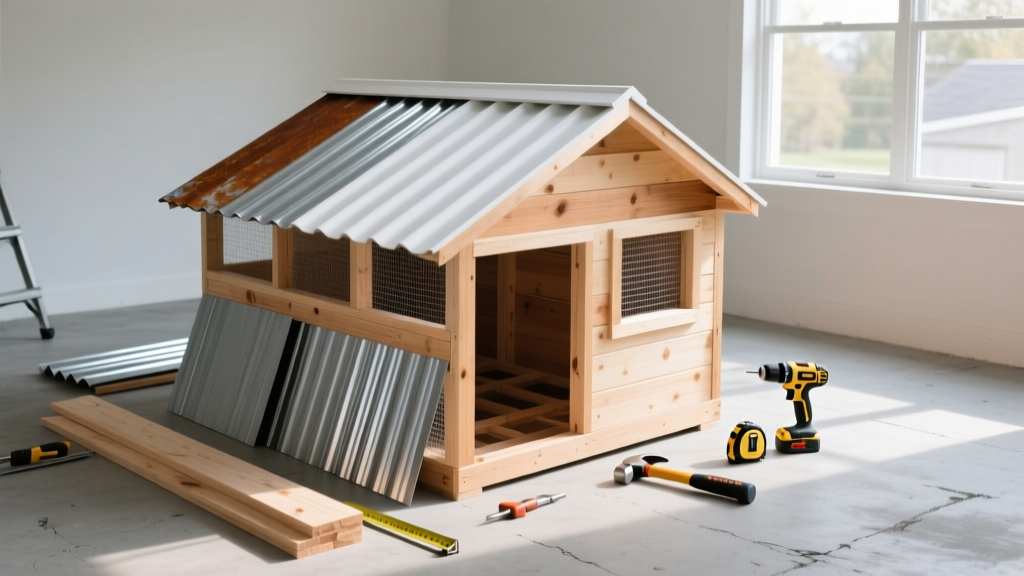
The national average cost to build a chicken coop ranges from $650 to $2,800, with most homeowners spending around $1,400 for a custom-built, predator-proof 4x8 structure designed to house 6 to 8 birds. While prefabricated kits can be purchased for $300 to $600, they frequently utilize untreated pine and thin wire mesh that degrade within two seasons or fail to protect against determined predators. Building from scratch or commissioning a local carpenter ensures structural longevity and proper biosecurity.
Quick Cost Snapshot
- National Average: $1,400
- Typical Range: $650 - $2,800
- Low End (Basic DIY 4x4): $450
- High End (Pro-Built 8x12 w/ Utilities): $4,500+
- Cost Per Bird Capacity: $120 - $250
Cost Breakdown by Coop Size and Capacity
Sizing your coop correctly is the first major cost driver. The University of Minnesota Extension recommends a minimum of 3 to 4 square feet of interior floor space per standard-sized bird, plus 10 square feet per bird in an exterior run. Undersizing leads to ammonia buildup, feather pecking, and disease transmission.
| Coop Dimensions | Capacity (Birds) | DIY Material Cost | Pro-Built Total Cost |
|---|---|---|---|
| 4x4 (16 sq ft) | 3 - 4 | $450 - $700 | $1,200 - $1,800 |
| 4x8 (32 sq ft) | 6 - 8 | $800 - $1,300 | $2,200 - $3,200 |
| 8x8 (64 sq ft) | 12 - 16 | $1,500 - $2,200 | $3,800 - $5,500 |
| 8x12 (96 sq ft) | 18 - 24 | $2,400 - $3,500 | $5,500 - $8,000 |
Material Costs: Where Your Budget Actually Goes
Material selection dictates both the initial cost to build a chicken coop and its lifespan. Moisture and ammonia from bird waste rapidly destroy inferior materials.
Framing and Foundation
Standard 2x4 framing is the industry baseline. For the base plate and any lumber touching the ground, you must use UC4A or UC4B rated pressure-treated timber to prevent rot. Expect to pay $7.50 to $9.00 per 8-foot pressure-treated 2x4 in 2026. Untreated SPF (Spruce-Pine-Fir) studs cost around $4.50 each but should only be used for interior wall studs and roof rafters.
Foundation Options:
- Concrete Deck Blocks with 4x4 Skids: $80 - $120. The most cost-effective and mobile option.
- Gravel Pad with Retaining Timbers: $200 - $400. Excellent for drainage and preventing mud.
- Poured Concrete Slab: $600 - $1,200. Overkill for most backyard flocks, but ideal for large walk-in coops in wet climates.
Siding and Exterior Cladding
- T1-11 Plywood Siding: $45 - $60 per 4x8 sheet. Requires exterior paint or sealant. Offers good structural rigidity.
- LP SmartSide Panel: $55 - $75 per 4x8 sheet. Engineered wood treated with zinc borate to resist fungal decay and termites. Highly recommended for humid environments.
- Reclaimed Pallet Wood: $0 - $50 (fasteners). High labor cost for de-nailing and planing, but drastically reduces material expenses.
Predator-Proofing: Hardware Cloth vs. Chicken Wire
The most critical mistake new flock owners make is using hexagonal "chicken wire" for predator protection. Chicken wire keeps chickens in, but it will not keep raccoons, foxes, or coyotes out. Raccoons possess the manual dexterity to reach through the hexagonal gaps and pull birds apart without ever entering the coop.
According to Penn State Extension, 1/2-inch, 19-gauge galvanized hardware cloth is the mandatory standard for predator exclusion.
| Material | Cost per 36" x 50' Roll | Predator Resistance | Primary Use Case |
|---|---|---|---|
| 20-Gauge Chicken Wire | $35 - $50 | Very Low (Raccoons/Dogs can tear) | Interior dividers, garden protection |
| 19-Gauge 1" Hex Netting | $60 - $85 | Low (Weasels can pass through) | Top of covered runs (hawk protection) |
| 19-Gauge 1/2" Hardware Cloth | $95 - $130 | High (Stops all mammalian predators) | Windows, vents, lower run perimeter |
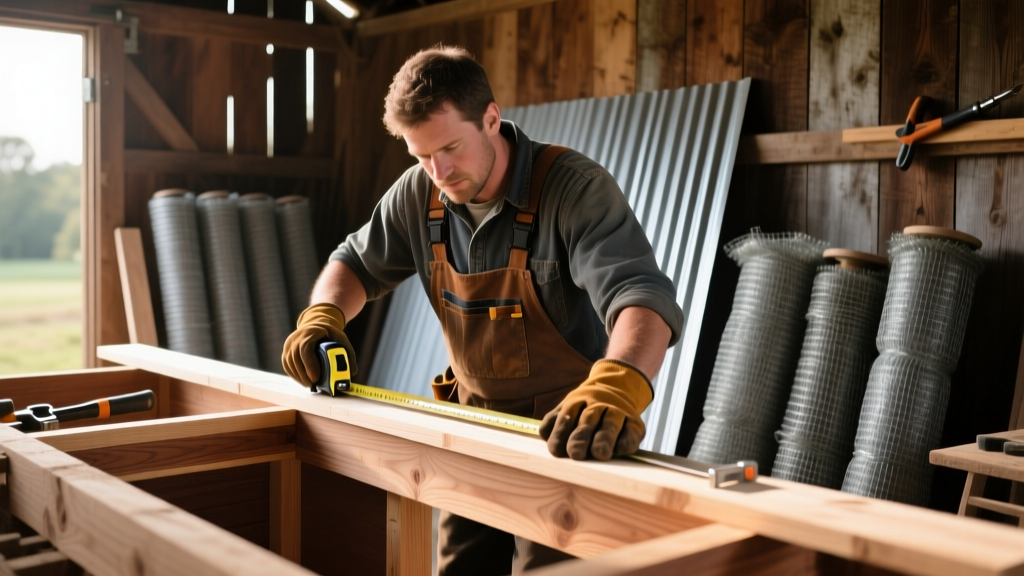
Installation Insight: Do not use standard staple gun wire staples to attach hardware cloth. Predators can easily push the mesh away from the frame. Use 1-inch galvanized poultry staples (U-nails) driven into the wood framing every 4 inches, and overlap seams by at least 2 inches, securing them with J-clips or heavy-duty zip ties.
Hidden Costs: Site Prep, Utilities, and Upgrades
When calculating the total cost to build a chicken coop, factor in the infrastructure required to keep the flock alive and the maintenance manageable.
Ventilation and Climate Control
Chickens generate immense moisture through respiration and waste. A coop requires a minimum of 1 square foot of ventilation for every 10 square feet of floor space. Installing ridge vents, soffit vents, or hardware-cloth-covered gable windows adds $50 to $150 to the build. In northern climates, a flat-panel radiant coop heater (e.g., Cozy Products or K&H Pet Products) costs $60 to $120, but requires running a buried, GFCI-protected underground electrical line ($300 to $600 for an electrician).
Automation and Security
- Automatic Coop Doors: Motorized doors (like the Run-Chicken or Omlet Autodoor) operate on timers or light sensors, closing the flock in at dusk. Expect to pay $220 to $300 per unit.
- Predator Apron: Digging predators like foxes will tunnel under run fencing. Burying hardware cloth 12 inches deep, or laying a 24-inch outward-facing "apron" on the ground covered by soil, adds $100 to $200 in mesh and trenching labor.
- Interior Sealing: Painting the interior walls with a high-gloss, ammonia-resistant exterior paint (like Kilz or Sherwin-Williams Duration) costs $60 to $90 but allows you to pressure-waste the interior during deep cleanings without destroying the wood.
DIY vs. Hiring a Contractor: Labor Cost Analysis
Labor typically accounts for 45% to 60% of the total cost to build a chicken coop if you hire a professional. A custom outbuilding contractor or carpenter will charge between $75 and $125 per hour in 2026. A standard 4x8 coop takes a professional crew of two approximately 16 to 24 hours to frame, side, roof, and wire, resulting in $2,400 to $4,000 in labor alone.
DYI Build
- Pros: Saves 50%+ on total budget; allows custom sizing for specific yard layouts; deep understanding of coop mechanics for future repairs.
- Cons: Requires 30-50 hours of weekend labor; demands basic carpentry and roofing skills; tool rental/purchase costs if not already owned.
Hiring a Pro
- Pros: Turnkey completion in 3-5 days; structural warranties; proper flashing and weatherproofing guaranteed.
- Cons: Massive premium on labor; many general contractors refuse small jobs under $5,000, forcing you to hire specialized (and pricier) outbuilders.
Long-Term Maintenance and Upkeep Expenses
The initial construction is only the first financial hurdle. Budget for ongoing structural maintenance to protect your investment:
- Roofing Replacement: Asphalt shingles last 15-20 years but can harbor mites in the organic backing. Corrugated metal roofing ($2.50/sq ft) lasts 40+ years and allows for easy mite removal.
- Hardware Cloth Rusting: Even galvanized cloth will eventually oxidize at the cut edges. Inspect the bottom 24 inches of your run annually. Budget $100 every 5-7 years for replacement mesh on ground-level panels.
- Deep Litter System: Instead of expensive pine shavings ($6-$8 per bale), many flock owners use the deep litter method with free wood chips from local arborists, saving $150+ annually on bedding.
Frequently Asked Questions
Do I need a permit to build a backyard chicken coop?
Permit requirements vary strictly by municipality. Many suburban zones allow coops under 120 square feet without a building permit, provided they meet setback requirements (usually 15 to 25 feet from property lines). However, you almost always need to comply with local zoning ordinances regarding flock size, rooster bans, and property line setbacks. Always check with your local code enforcement office before pouring a foundation or digging post holes.
Is it cheaper to buy a prefab coop or build one?
Prefab kits from big-box retailers ($300-$600) are cheaper upfront but cost more long-term. They are typically constructed from untreated, thin whitewood and staple-bound wire that degrades rapidly. A DIY custom build using pressure-treated lumber and 19-gauge hardware cloth costs 30% to 50% more initially but will last 15 to 20 years with basic maintenance, making it significantly cheaper over a decade.
How much does it cost to add an attached chicken run?
An attached, fully enclosed run adds $400 to $900 to your total build cost, depending on the footprint. This includes 4x4 pressure-treated posts, 2x4 framing, 1/2-inch hardware cloth, and a top cover to protect against aerial predators like hawks and owls. Always include a 24-inch predator apron around the perimeter to prevent tunneling.
Written by
David NakamuraDavid Nakamura is a licensed architect (AIA) and construction technology writer focused on sustainable building methods, mass timber engineering, and high-performance building envelopes. He holds a Master of Architecture from the University of Washington and is a certified Passive House Consultant (CPHC). David spent eight years at the Seattle firm Mithun, where he led the design of three LEED Platinum projects, before founding his own practice specializing in net-zero residential design. He serves on the editorial advisory board of GreenBuilder Magazine and has authored peer-reviewed papers on cross-laminated timber (CLT) connections for the Journal of Structural Engineering. In his spare time, David teaches woodworking at Pratt Fine Arts Center and kayaks the Puget Sound.
More from David Nakamura
View all
Construction Cost
Labor Cost to Build a Deck Per Sq Ft: 2026 Installation Guide
Discover the exact labor cost to build a deck per sq ft in 2026. This installation guide breaks down contractor rates, complexity factors, and hidden fees.
Aug 4, 2026

Construction Cost
How Much Does It Cost to Build a 3 Bedroom House? Financing Guide
Learn exactly how much it costs to build a 3 bedroom house and explore 2026 financing options, construction loan types, and budget frameworks for your build.
Aug 4, 2026

Construction Cost
Cost to Build a Tennis Court: 2026 Guide
How much does it cost to build a tennis court in 2026? Breakdowns for asphalt, concrete, and synthetic surfaces plus fencing and lighting.
Jul 30, 2026