Composite Decking Maintenance Playbook: Stain, Mold & Snow Removal
Master composite decking maintenance with our cleaning playbook. Learn exact solutions for mold, grease stains, and snow removal to protect your outdoor space.
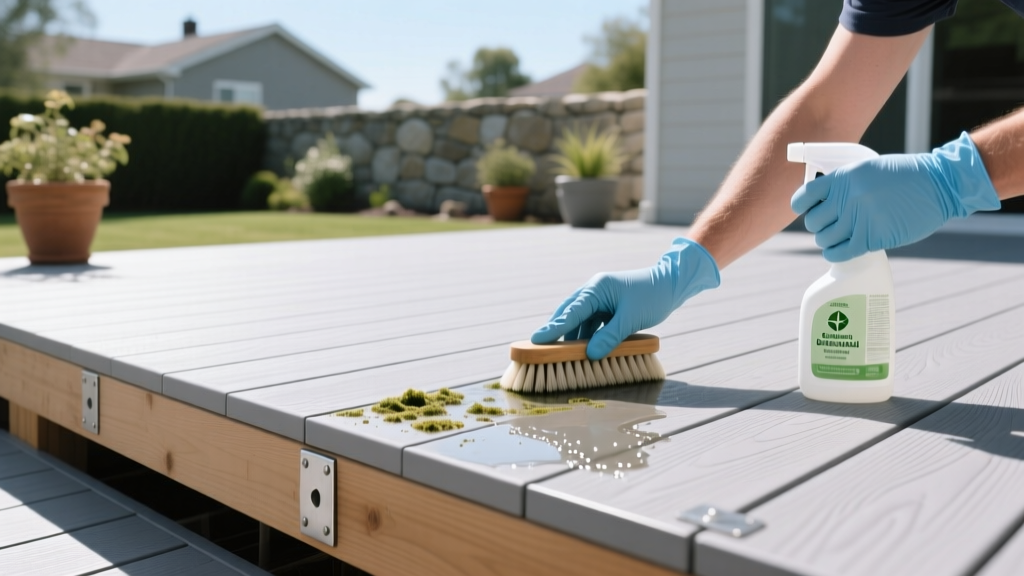
Composite decking revolutionized outdoor living by eliminating the need for annual sanding, staining, and sealing. However, the industry's 'zero maintenance' marketing has led to widespread neglect, resulting in polymer cap degradation, embedded mold, and voided manufacturer warranties. Modern capped composite boards require a specific, chemistry-aware maintenance playbook to preserve their structural integrity and aesthetic finish.
The Chemistry of Capped Composite Decking
Before applying any cleaning agent, it is critical to understand the material you are treating. First-generation composite decking (uncapped) was a uniform blend of wood flour and polyethylene, making it highly porous and susceptible to staining. Modern capped composite decking—such as Trex Transcend or TimberTech Prime+—features a dense, impermeable polymer shell (the 'cap') that wraps around the wood-plastic core.
This cap is engineered with UV inhibitors and scratch-resistant additives. Using harsh chemicals like chlorine bleach (sodium hypochlorite) or undiluted acetone breaks down these UV inhibitors, leading to premature chalking, fading, and micro-fissures where mold spores can take root. According to the EPA's Safer Choice program, oxygen-based cleaners are vastly superior for outdoor polymer surfaces because they lift organic stains without degrading the underlying chemical bonds of the cap.
The Core Cleaning Protocol: Routine and Deep Cleans
For general dirt, pollen, and light grime, follow this exact four-step protocol. Perform this at least twice a year (spring and fall).
- Dry Extraction: Use a stiff-bristled broom or a leaf blower to remove loose debris. Pay special attention to the gaps between boards. Trapped organic matter holds moisture and accelerates mold growth on the substructure and board edges.
- The Pre-Soak Solution: Mix 2 ounces of a mild, non-abrasive dish soap (like Dawn Ultra) per gallon of warm water. Apply generously using a garden sprayer or watering can. Let it dwell for 5 to 10 minutes to soften embedded dirt, but do not let it dry on the surface.
- Mechanical Agitation: Scrub the deck using a soft-bristle nylon brush. Always scrub in the direction of the board's embossed wood grain. Scrubbing across the grain can trap dirt in the texture grooves and create visible micro-scratches.
- Controlled Rinsing: Rinse thoroughly with a garden hose. If using a pressure washer, limit the pressure to a maximum of 1,500 PSI. You must use a 40-degree fan-tip attachment and keep the wand at least 8 inches from the deck surface. A concentrated 0-degree nozzle will permanently etch the polymer cap.
Targeted Stain Extraction Playbook
When routine cleaning fails, you must match the chemical solvent to the specific stain type. Using the wrong solvent will either fail to remove the stain or damage the board.
Mold, Mildew, and Algae Eradication
Mold thrives in shaded, damp areas where pollen and leaves accumulate. Do not use chlorine bleach. Instead, use a sodium percarbonate-based oxygen bleach (such as OxiClean or a dedicated deck cleaner like Wet & Forget). Apply the solution, allow it to dwell for 15 minutes, scrub lightly, and rinse. For persistent black algae, a commercial quaternary ammonium compound (quat) cleaner is highly effective and safe for composite caps.
Grease, Oil, and Food Stains
Grease from grills or oily foods must be treated immediately. If the grease has set, apply a heavy-duty degreaser or a paste made from baking soda and hot water. For severe BBQ grease stains, a diluted Trisodium Phosphate (TSP) substitute applied with a sponge will break down the lipids without harming the polymer shell. Rinse immediately with hot water.
Rust and Tannin Bleed
Rust from metal furniture or tannin bleed from nearby oak trees requires an acidic approach. Use an oxalic acid-based cleaner (commonly sold as wood brightener or Bar Keepers Friend). Apply, let sit for 5 minutes, and rinse. Oxalic acid neutralizes the iron oxide and tannins, lifting the dark spots completely.
Seasonal Threat Matrix and Countermeasures
Outdoor environments subject composite decking to seasonal extremes. The following matrix outlines the correct response to common seasonal threats.
| Seasonal Threat | Chemical/Tool to AVOID | Approved Countermeasure |
|---|---|---|
| Heavy Snow / Ice Accumulation | Metal shovels, Rock Salt (Sodium Chloride) | Poly-blade shovel, Calcium Chloride ice melt |
| Fall Leaf Tannin Staining | Wire brushes, Chlorine Bleach | Oxalic acid cleaner, soft nylon brush |
| Spring Pollen Buildup | High-pressure narrow nozzles | Mild soap, garden hose, 40-degree fan tip |
| Summer BBQ Grease Spills | Acetone, Paint Thinner | Hot water, TSP substitute, immediate blotting |
Snow and Ice Removal: Protecting the Polymer Cap
Winter maintenance is where most homeowners accidentally destroy their composite decking. When clearing snow, never use a metal-edged shovel or a steel snow pusher. The polymer cap, while durable, will gouge and scratch under the pressure of a metal blade scraping across it. Always use a plastic or poly-blade shovel, and push the snow parallel to the board length, not across the width.
For ice melting, standard rock salt (sodium chloride) is highly discouraged. As the water evaporates, rock salt leaves behind a harsh white residue that can etch into the cap's texture and is incredibly difficult to remove. Instead, use a calcium chloride-based ice melt. Calcium chloride is highly effective at lower temperatures and is generally approved by major manufacturers like TimberTech and Trex. However, you must rinse the deck with warm water once the ice has melted and temperatures rise above freezing to wash away any residual salt film.
Scratch and Scuff Mitigation Strategies
Unlike traditional wood, capped composite decking cannot be sanded. Sanding will remove the protective polymer shell, exposing the porous wood-plastic core underneath and ruining the board. If you drop a heavy object or drag furniture and create a scuff or minor scratch, your mitigation options depend on the severity.
- Surface Scuffs (White Marks): Often, dragging a patio chair leaves a white scuff mark that is actually residue from the chair's footpad, not a scratch in the deck. Clean this with warm soapy water and a nylon brush. If it is a superficial scuff on the board, gently applying heat with a heat gun on a low setting (keeping it moving to avoid melting the cap) can sometimes expand the polymer and blend the scuff back into the surrounding color.
- Deep Scratches and Gouges: If the scratch penetrates the cap and exposes the core, the board cannot be repaired invisibly. You must either replace the individual board or use a manufacturer-approved composite repair filler kit, which involves filling the gouge with a color-matched epoxy putty and texturing it before it cures.
Expert Troubleshooting FAQ
Why does my composite deck look chalky and faded despite cleaning?
Chalking is a sign of UV degradation, often accelerated by the previous use of harsh chemicals like chlorine bleach or undiluted vinegar. Once the UV inhibitors in the cap are stripped, the polymer begins to oxidize. While you cannot reverse severe chalking, applying a specialized composite deck sealer or UV protectant (specifically formulated for plastics, not wood) can halt further degradation and restore some color depth.
Can I use a steam cleaner on composite decking?
No. While steam is excellent for indoor grout and tile, the extreme localized heat of a commercial steam cleaner (often exceeding 212°F) can warp the polymer cap, cause delamination between the cap and the core, and leave permanent heat ripples on the board surface. Stick to warm water and chemical dwell times.
How do I clean the gaps between the deck boards?
Do not use a metal putty knife to scrape out debris from the gaps, as you will inevitably gouge the edges of the boards. Use a specialized deck gap cleaning tool (which features a blunt plastic or wooden wedge) or a shop-vacuum with a crevice tool attachment to suck out compacted dirt and pine needles without making contact with the board edges.