How Much Does It Cost to Build a Covered Patio? 2026 Maintenance Guide
Discover how much it costs to build a covered patio, including 2026 construction expenses and long-term maintenance costs for wood, aluminum, and vinyl roofs.
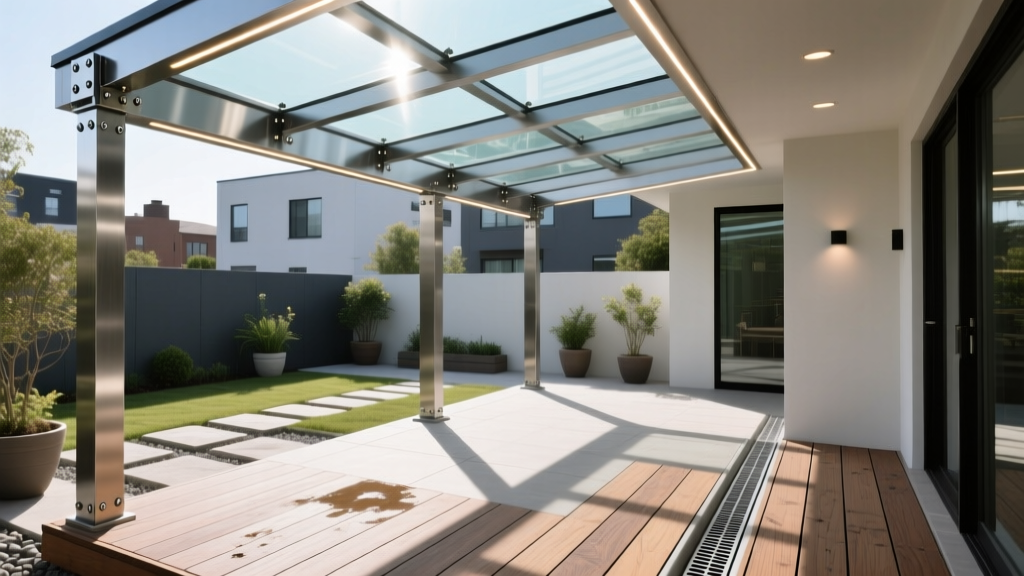
The True Financial Scope: Upfront Capital vs. Long-Term Upkeep
When homeowners ask how much it costs to build a covered patio, they are usually only looking at the initial construction invoice. However, a covered patio is a permanent exterior structure subjected to UV radiation, freeze-thaw cycles, and moisture intrusion. Evaluating the financial commitment requires a Total Cost of Ownership (TCO) approach that blends initial capital expenditures with decade-long maintenance liabilities. A cheaper upfront material like pressure-treated pine often eclipses the cost of premium aluminum when factoring in 10 years of staining, sealing, and rot remediation.
How Much Does It Cost to Build a Covered Patio? (Initial Capital Breakdown)
According to HomeGuide's patio construction cost data, the national average for a covered patio ranges from $4,500 to $12,000, but this fluctuates wildly based on the roofing material, span requirements, and foundation type. Below is the 2026 baseline pricing for a standard 12x16 (192 sq. ft.) attached structure, assuming a concrete slab foundation is already in place.
| Material Type | Cost Per Sq. Ft. (Materials & Labor) | Total Cost (192 Sq. Ft.) | Lifespan Expectancy |
|---|---|---|---|
| Pressure-Treated Pine | $35 - $55 | $6,720 - $10,560 | 15 - 20 Years |
| Cedar / Redwood | $50 - $85 | $9,600 - $16,320 | 20 - 25 Years |
| Extruded Aluminum (Solid Pan) | $25 - $45 | $4,800 - $8,640 | 30+ Years |
| Aluminum (Motorized Louvered) | $75 - $130 | $14,400 - $24,960 | 30+ Years |
| Vinyl / PVC | $30 - $60 | $5,760 - $11,520 | 25 - 30 Years |
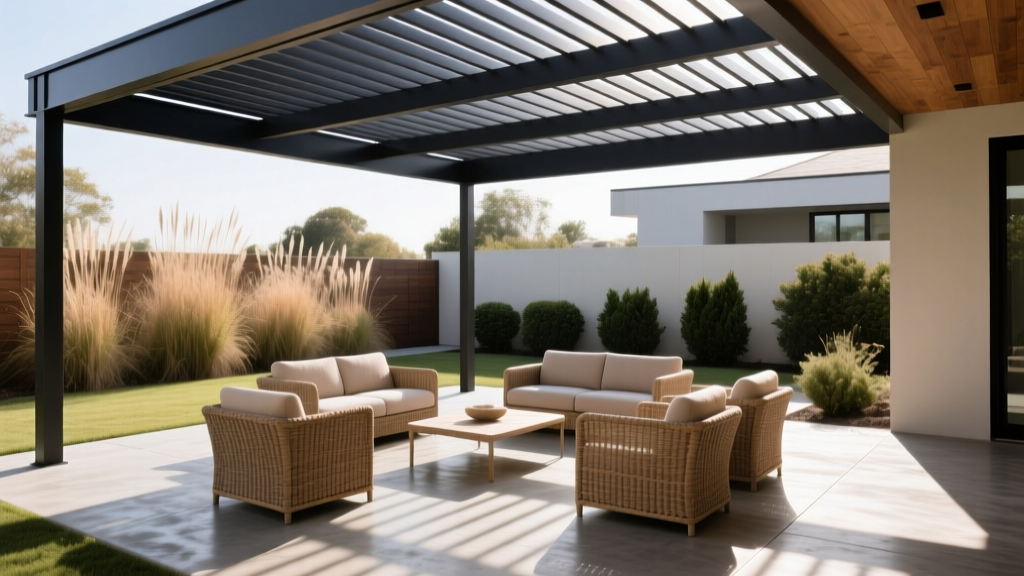
The Maintenance Tax: Long-Term Costs by Material
The initial build cost is only the entry fee. The 'maintenance tax' is the recurring financial and temporal cost required to prevent structural degradation and aesthetic failure. Understanding these material-specific vulnerabilities is critical for long-term budgeting.
Pressure-Treated Wood & Cedar (High Maintenance Liability)
Wood structures require the most aggressive upkeep. Pressure-treated lumber is infused with copper-based preservatives (like MCQ or CA-C) to resist fungal decay, but these chemicals do not protect against UV-induced checking (splitting) or moisture-induced warping. The American Wood Protection Association (AWPA) mandates specific ground-contact ratings (UC4A or UC4B) for posts, but the above-grade framing still requires bi-annual sealing.
- Sealing/Staining: $2.50 - $4.00 per sq. ft. every 2 to 3 years using high-penetration oil-based sealants (e.g., Cabot Australian Timber Oil).
- Hardware Corrosion: Modern pressure-treated woods are highly corrosive to standard steel. If the builder used uncoated nails or standard galvanized screws instead of hot-dipped galvanized (ASTM A153) or Type 304/316 stainless steel, expect to spend $300-$500 replacing rusted fasteners and sistering rotted joists within the first five years.
- 10-Year Maintenance Cost: $1,800 - $3,500.
Aluminum Patio Covers (Minimal Maintenance Liability)
Aluminum is inherently rust-proof and immune to wood-destroying organisms. According to The Aluminum Association, architectural aluminum extrusions coated with AAMA 2604 or 2605 standard fluoropolymer finishes will resist chalking and fading for decades. The primary maintenance cost is purely cosmetic cleaning.
- Washing: $0.50 - $1.00 per sq. ft. annually using a mild detergent and a garden hose. Avoid pressure washers over 1,200 PSI, which can force water into the interlocking panel seams and compromise the internal neoprene gaskets.
- Gutter/Scupper Clearing: Solid aluminum pans feature integrated gutters. These must be cleared of leaf debris bi-annually to prevent water weight overload, which can bend the extruded rafters.
- 10-Year Maintenance Cost: $200 - $500.
Vinyl and PVC Structures (Moderate Maintenance Liability)
Vinyl requires no staining and will not rot, but it is susceptible to thermal expansion/contraction and UV embrittlement if not manufactured with adequate titanium dioxide (TiO2) stabilizers. Cheaper vinyl covers may yellow or become brittle, requiring panel replacement rather than simple cleaning.
- Mold/Mildew Remediation: Vinyl's porous surface texture can trap organic matter in shaded, damp climates. Requires annual treatment with a sodium hypochlorite-based outdoor cleaner ($15-$30 per gallon).
- Structural Reinforcement Checks: Vinyl lacks the structural tensile strength of wood or aluminum. Internal aluminum or steel sleeves are often used. If water breaches the vinyl caps, these internal metal sleeves can rust unseen. Annual inspections of the end-caps are mandatory.
- 10-Year Maintenance Cost: $400 - $900.
The 10-Year Total Cost of Ownership (TCO) Matrix
Wood (Cedar): $12,000 (Build) + $2,800 (Maintenance) = $14,800
Vinyl: $8,500 (Build) + $650 (Maintenance) = $9,150
Solid Aluminum: $7,000 (Build) + $350 (Maintenance) = $7,350
Insight: While wood offers a premium natural aesthetic, solid aluminum yields a 50% lower Total Cost of Ownership over a single decade, making it the superior financial choice for budget-conscious homeowners who prioritize longevity.
Preventative Maintenance Schedules & Failure Triggers
To prevent catastrophic structural failures and voided warranties, adhere to this strict maintenance cadence regardless of your chosen material:
- Bi-Annual Flashing & Sealant Inspection (Spring/Fall): The most common failure point on an attached covered patio is the ledger board connection to the house. Inspect the Z-flashing and polyurethane sealant (e.g., Loctite PL Polyurethane). If the sealant is cracking, water will infiltrate the home's rim joist, causing tens of thousands of dollars in interior rot. Re-seal immediately if adhesion fails.
- Annual Fastener Torque Check: Structural screws (like Simpson Strong-Tie SDWS) can back out slightly due to seasonal wood shrinking and swelling. Use an impact driver to ensure all load-bearing brackets and post bases remain flush and tight.
- Roof Load Verification (Winter): If you live in a region with heavy snow loads, ensure your patio cover was engineered for your local ground snow load (often 20-50 PSF). Flat or low-slope patio covers (less than 3:12 pitch) are highly susceptible to ponding water and snow collapse. Never attempt to chip ice off an aluminum or vinyl roof with a metal tool; use a calcium chloride-based ice melt.
Expert Strategies to Slash Upkeep Costs
If you are currently in the planning phase, implement these construction specifications to minimize your future maintenance burden:
- Elevate Post Bases: Never bury wood posts directly in concrete. Use elevated, powder-coated steel post bases (like the Simpson Strong-Tie E-Z Base) that keep the bottom of the wood post at least 1 inch above the concrete slab. This prevents wicking and eliminates the most common cause of patio cover rot.
- Mandate Proper Roof Pitch: Even if the manufacturer claims a solid aluminum pan is 'water-tight' at a zero-degree pitch, always enforce a minimum slope of 1/4 inch per foot. This ensures rapid water shedding and prevents debris accumulation, drastically reducing gutter cleaning frequency.
- Upgrade to Hidden Fastener Systems: Exposed screws on wood or vinyl roofs require neoprene washers that degrade in the sun within 3 to 5 years, leading to leaks. Opt for concealed clip systems or interlocking standing-seam profiles to eliminate exposed rubber gaskets entirely.
Frequently Asked Questions
Does adding a covered patio increase property value enough to justify the cost?
Yes, but the ROI depends on the material and integration. A well-engineered aluminum or cedar patio cover that matches the primary roof's pitch and aesthetic typically yields a 50% to 75% return on investment at resale. Flimsy, flat-roofed vinyl kits often yield negative ROI as home inspectors flag them for poor drainage and structural inadequacy.
How much does it cost to build a covered patio if I do it myself?
DIY construction reduces the total cost by roughly 40% to 50%, bringing a standard 12x16 wood structure down to $3,500 - $5,500 in materials. However, you must factor in the cost of specialized tools (rotary hammer drills, compound miter saws) and the high risk of failing local building code inspections regarding ledger-board lagging and frost-depth footings, which can result in costly tear-downs.
What is the cheapest material to maintain long-term?
Extruded aluminum with a baked-on enamel or powder-coated finish is definitively the cheapest to maintain. It requires no chemical sealants, does not harbor insects, and will not rust, limiting your long-term costs to occasional washing with soap and water.
Written by
Elena RodriguezElena Rodriguez is a civil engineer and technical writer specializing in concrete technology, masonry systems, and ASTM/ACI compliance. She earned her B.S. in Civil Engineering from Texas A&M University and spent a decade at a materials testing laboratory, performing over 2,000 concrete compressive strength tests and masonry prism evaluations. Elena is an ACI-certified Field Testing Technician (Grade I) and a member of ASTM Committee C12 on Natural Building Stone. She currently consults on forensic engineering cases involving concrete failures and moisture intrusion. Based in San Antonio, TX, Elena is a proud member of the Society of Women Engineers (SWE) and coaches her daughter's FIRST Robotics team.
More from Elena Rodriguez
View all
Walls & Panels
Cost Analysis: Light Gauge Steel Framing Advantages and Disadvantages
Evaluate light gauge steel framing advantages and disadvantages through a strict cost analysis lens, comparing material, labor, and lifecycle expenses.
Aug 4, 2026

Walls & Panels
Gypsum Board Types: Exact Specifications, Thickness & Dimensions
Compare standard, Type X, and moisture-resistant gypsum board types. Get exact specifications, thicknesses, dimensions, and ASTM standards for your project.
Aug 4, 2026

Fire Resistance
Best Fire-Resistant Outdoor Decking Materials: 2026 Buyer Guide
Discover the best fire-resistant outdoor decking materials for 2026. Compare Class A PVC, aluminum, and hardwood options for WUI compliance and safety.
Aug 4, 2026