Suncast Deck Box Selection: Resin Material Taxonomy & Buyer Guide
Compare Suncast deck box resin materials, capacities, and deck anchoring methods. Expert guide to HDPE and polypropylene outdoor storage selection.
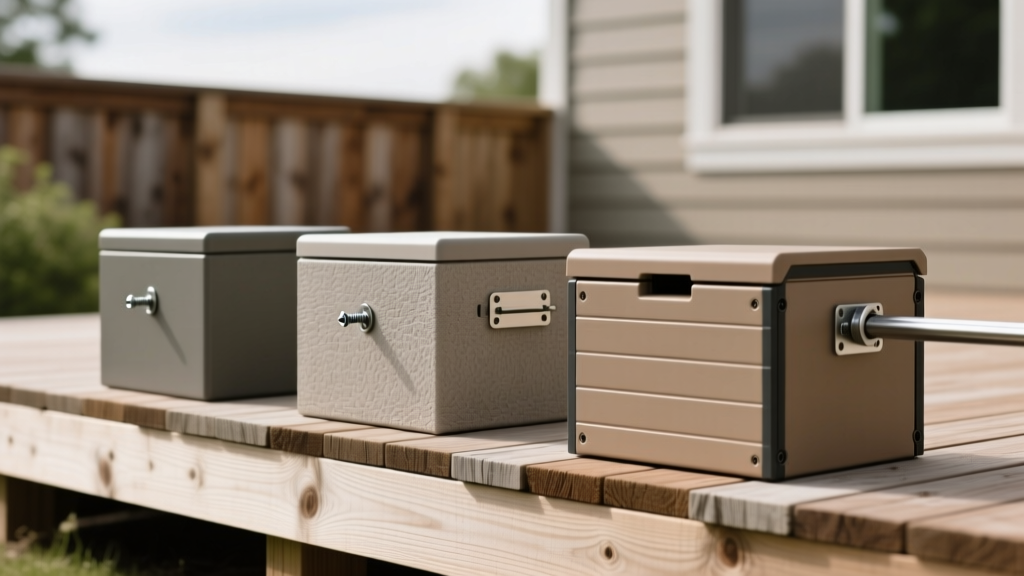
The Polymer Taxonomy of Suncast Deck Boxes
Selecting outdoor storage requires understanding the material science of the container. While traditional outdoor storage relies on cedar, teak, or galvanized steel, Suncast has dominated the residential market by engineering high-performance polymer deck boxes. A Suncast deck box is not a single monolithic material; it utilizes a specific taxonomy of thermoplastics, each chosen for distinct structural and environmental properties. Understanding these material differences is critical for matching the right storage unit to your specific deck environment and local climate.
Blow-Molded High-Density Polyethylene (HDPE)
Entry-level and mid-capacity Suncast models frequently utilize blow-molded HDPE. This manufacturing process involves inflating a heated plastic tube inside a mold, creating a double-walled, hollow structure. HDPE offers exceptional impact resistance and remains flexible in freezing temperatures, preventing the brittle cracking common in cheaper plastics during winter. According to the Plastics Industry Association, HDPE's high strength-to-density ratio makes it ideal for large, lightweight volumes. However, blow-molded HDPE lacks the rigid surface detail required for intricate textures like wicker or wood grain, resulting in smoother, more utilitarian finishes.
Injection-Molded Polypropylene (PP) with UV Inhibitors
For premium Suncast deck boxes, particularly those featuring intricate wicker patterns or faux-wood finishes, the brand relies on injection-molded polypropylene (PP). Injection molding forces molten plastic into a steel mold under high pressure, allowing for single-wall, high-detail panels. PP is inherently stiffer than HDPE, providing the structural rigidity needed for bench-style seating. To combat photo-oxidation—the process where UV rays break down polymer chains—Suncast integrates Hindered Amine Light Stabilizers (HALS) directly into the PP resin matrix. Unlike UV absorbers that degrade over time, HALS continuously scavenge the free radicals generated by sun exposure, significantly extending the lifespan of the deck box in high-sun environments.
Material Comparison Matrix: Suncast Resin vs. Alternatives
When evaluating a Suncast deck box against traditional materials, the decision hinges on maintenance tolerance, weight constraints, and budget. The following matrix breaks down the physical and economic properties of the primary outdoor storage materials available in 2026.
| Material Type | Avg. Cost (99 Gal) | Empty Weight | Moisture Absorption | Maintenance Cycle | Primary Failure Mode |
|---|---|---|---|---|---|
| Suncast PP/HDPE Resin | $130 - $220 | 38 - 45 lbs | 0.00% | None (Wash only) | UV fading / Wind uplift |
| Western Red Cedar | $250 - $450 | 65 - 85 lbs | Up to 12% | Annual sealing/staining | Wood rot / Hardware rust |
| Galvanized Steel | $180 - $300 | 55 - 70 lbs | 0.00% | Touch-up rust paint | Scratch-induced oxidation |
| PE Wicker over Aluminum | $300 - $600 | 45 - 60 lbs | 0.00% | Wicker replacement | PE wicker unraveling |
While the USDA Forest Products Laboratory notes that properly maintained cedar offers natural decay resistance, the zero-maintenance profile and total moisture immunity of Suncast's resin formulations make them the superior choice for ground-level decks, poolside patios, and regions with high humidity or salt air.
Selecting the Right Suncast Model by Capacity and Load
Capacity dictates not just how much you can store, but how the box integrates into your outdoor living space. Suncast categorizes its deck boxes by volume and structural utility.
The BMS4900 Glide-Top (99 Gallons)
The BMS4900 is the workhorse of the Suncast lineup. Measuring 50 inches wide by 25.5 inches deep, it offers 13.2 cubic feet of storage. Its defining feature is the glide-top lid, which slides backward rather than hinging upward. This is a critical selection factor for decks with low-hanging pergolas, awnings, or tight clearance against the home's siding. The double-wall resin construction supports a dynamic top-load of 300 lbs, allowing it to function as auxiliary seating for two adults.
The DBW9600 Wicker (99 Gallons)
For homeowners prioritizing aesthetics without sacrificing resin durability, the DBW9600 utilizes injection-molded PP to replicate a tight-weave wicker pattern. While it matches the BMS4900 in volume, its hinged lid requires 30 inches of vertical clearance to open fully. The wicker texture also increases the surface area, which can trap pollen and dust in the crevices, requiring occasional pressure washing at a low PSI (under 1,200 PSI to avoid gouging the resin).
The BMS12000 Horizontal (50 Gallons)
Designed for narrow balconies and compact patios, this 50-gallon unit features a lower profile (24 inches high). It is optimized for storing long, flat items like folded patio umbrellas, cushions, and gardening hoses. The front-opening doors, combined with a top lid, provide three points of access, a unique ergonomic advantage over standard top-only entry boxes.
Deck Integration and Anchoring Protocols
Integrating a lightweight resin box into a deck environment requires specific anchoring strategies, particularly when dealing with modern composite decking. Drilling lag screws directly through the cap layer of composite boards (such as Trex or TimberTech) voids the manufacturer's warranty and creates pathways for moisture to infiltrate the wood-plastic core, leading to localized swelling and mold.
Anchoring to Wood Decking
For traditional pressure-treated or hardwood decks, secure the deck box using 2.5-inch exterior-grade stainless steel L-brackets. Attach the bracket to the solid wood joist beneath the deck boards, not just the deck board itself, to ensure the anchor can withstand lateral shear forces during high winds.
Anchoring to Composite Decking
To secure a Suncast box to a composite deck without voiding warranties, utilize an internal ballast system. Place 40 to 50 lbs of flat patio pavers or sandbags inside the bottom of the deck box. Combine this with a high-friction EPDM rubber mat placed beneath the box to prevent micro-sliding that can scratch the composite deck's embossed surface over time.
UV Stabilization and Long-Term Maintenance
While Suncast resins are heavily stabilized against UV degradation, improper cleaning can strip the protective surface layer. Avoid using solvents, bleach-based cleaners, or abrasive scouring pads. These chemicals can break down the HALS inhibitors near the surface and create micro-scratches that accelerate UV fading.
For routine maintenance, use a solution of mild dish soap and warm water applied with a microfiber cloth. For stubborn tree sap or bird droppings, use a dedicated plastic-safe automotive detailer spray, which contains mild polymers that restore surface gloss without degrading the polypropylene matrix.
Frequently Asked Questions
Can I paint a Suncast resin deck box to match my deck?
Painting polypropylene is notoriously difficult due to its low surface energy (approximately 29 dynes/cm), which causes standard acrylic and latex paints to peel. If you must paint your Suncast deck box, you must first lightly scuff the surface with 220-grit sandpaper, apply a plastic-specific adhesion promoter, and use a paint formulated for low-surface-energy plastics, such as Krylon Fusion for Plastic or Rust-Oleum Painter's Touch 2X Ultra Cover.
Do Suncast boxes warp when placed on hot composite decks?
Composite decking can reach surface temperatures of 140°F to 160°F in direct summer sunlight. Polypropylene has a heat deflection temperature of roughly 212°F at 66 PSI. While the bottom panel of the deck box will not melt, prolonged thermal exposure can cause slight thermal expansion. Suncast engineers account for this by incorporating expansion gaps in the interlocking panel joints. To minimize heat transfer and potential warping, place the deck box in a partially shaded area or use a reflective thermal barrier pad beneath the unit.
Are Suncast deck boxes waterproof or just water-resistant?
Suncast deck boxes are highly water-resistant, but they are not hermetically sealed or submersible. The overlapping lid designs and integrated drainage channels effectively shed rain and snow. However, in driving, wind-blown rain or if the box sits in standing water on a poorly graded deck, minor moisture ingress can occur. For storing highly sensitive items like electronics or dry paper goods, place them inside a secondary sealed plastic bin within the deck box.