Synthetic Deck Materials: A Buyer's Selection Framework
Master our selection framework for synthetic deck materials. Compare capped composite, PVC, and mineral-based options by cost, climate, and lifespan.
The Core Taxonomy of Synthetic Deck Materials
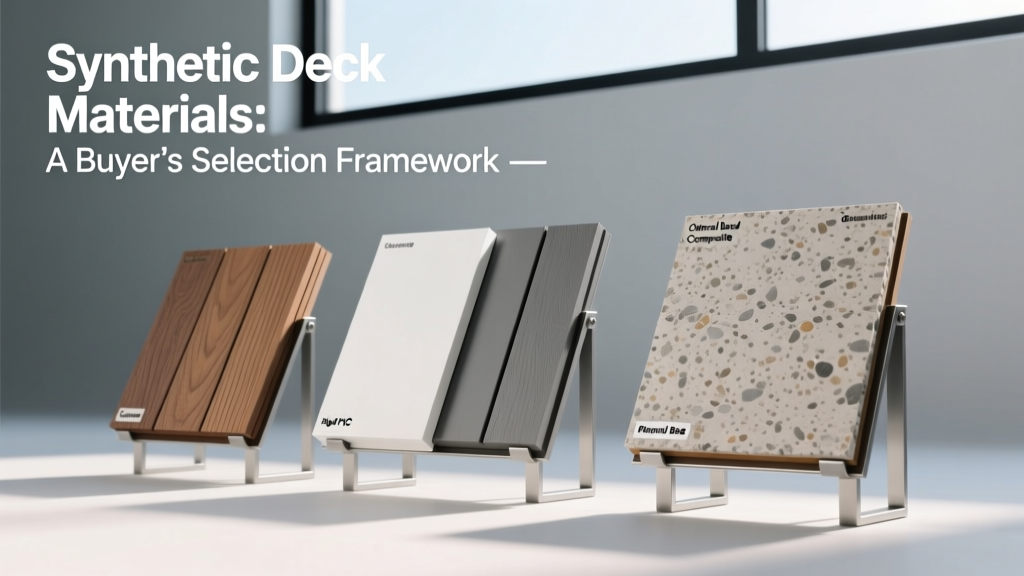
The synthetic decking market has evolved far beyond early-generation wood-plastic composites (WPC) that suffered from fading, staining, and structural sagging. Modern synthetic deck materials are engineered at the molecular level to address specific environmental stressors. To build an effective selection framework, you must first categorize the three dominant material classes available on the market:
- Capped Wood-Plastic Composite (WPC): A core of wood flour and recycled high-density polyethylene (HDPE) or polypropylene, fully encased in a protective polymer shell. Examples include Trex Transcend Lineage and Fiberon Paramount.
- Advanced PVC (Polyvinyl Chloride): A 100% synthetic, cellular foam core with a dense polymer cap. It contains zero organic wood fibers. Examples include TimberTech Advanced PVC and Azek Vintage.
- Mineral-Based Composite (MBC): A blend of polypropylene and calcium carbonate (minerals) that undergoes a stretching process to create microscopic air pockets. Deckorators Voyage is the primary market leader in this category.
The 5-Point Selection Matrix
Choosing the right synthetic deck material requires evaluating your specific site conditions against the physical properties of the board. Use this matrix to narrow your options.
1. Thermal Expansion and Contraction Rates
All synthetic materials expand and contract with temperature fluctuations, but the rate varies drastically based on the base resin. Polyethylene-based WPCs have the highest coefficient of thermal expansion. Polypropylene-based MBCs exhibit near-zero thermal expansion. According to material testing data referenced by the USDA Forest Products Laboratory, mineral-based composites can reduce thermal movement by up to 35% compared to traditional WPCs. If you are building in a region with extreme seasonal temperature swings (e.g., the Midwest or Northeast), MBC or PVC will significantly reduce the risk of board buckling or fastener shear.
2. Heat Retention and Surface Temperature
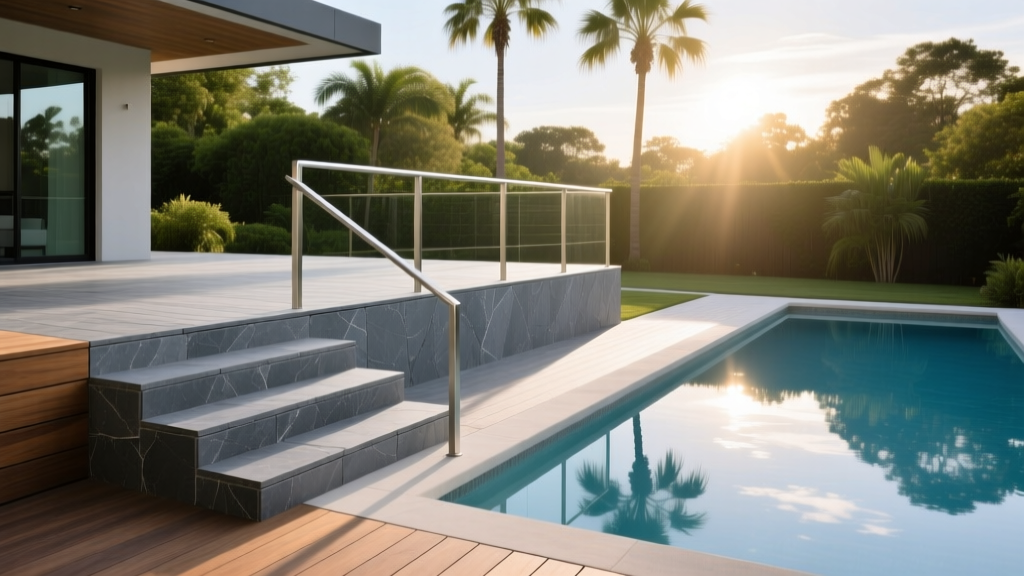
Direct sunlight can make synthetic decking uncomfortably hot. Advanced PVC boards typically run 30°F to 50°F cooler than darker WPC boards due to their reflective cellular core and specialized UV-inhibiting cap layers. If the deck is in a full-sun, south-facing application where barefoot traffic is expected, PVC is the superior choice.
3. Moisture Absorption and Mold Resistance
For heavily shaded areas, dense foliage environments, or ground-level installations, moisture is the primary enemy. Because WPC contains organic wood fibers, a deep scratch through the polymer cap can expose the core to water, leading to internal swelling or mold. PVC and MBC materials are completely impervious to water absorption, making them the mandatory choice for high-moisture environments.
4. Structural Span and Joist Requirements
Synthetic materials lack the natural tensile strength of pressure-treated lumber. While standard WPC and PVC boards generally require 16-inch on-center (OC) joist spacing for perpendicular installations, diagonal installations or heavy-duty commercial applications often require 12-inch OC spacing to meet the International Code Council (ICC) residential building codes. MBC boards, due to their mineral reinforcement, often boast higher stiffness ratings, allowing for wider spans or reduced blocking requirements.
Cost vs. Lifecycle Value Analysis
Upfront material costs are only one variable in the selection framework. The table below outlines the 2026 market averages for material costs, expected lifespan, and maintenance requirements.
| Material Class | Material Cost (per sq. ft.) | Expected Lifespan | Maintenance Requirement | Best ROI Scenario |
|---|---|---|---|---|
| Capped WPC | $8.50 - $11.50 | 25 - 30 Years | Bi-annual washing | Standard residential backyards; budget-conscious buyers. |
| Advanced PVC | $10.50 - $14.00 | 30 - 50 Years | Annual rinsing | Pool surrounds; coastal/salt-air environments. |
| Mineral-Based (MBC) | $11.00 - $13.50 | 30 - 50 Years | Bi-annual washing | Extreme temperature zones; complex multi-level designs. |
Application-Specific Decision Flowchart
Use this logical flow to finalize your material selection based on your specific project parameters:
- Is the deck surrounding a saltwater pool or located within 1 mile of the ocean?
- Yes: Select Advanced PVC. Saltwater accelerates the degradation of wood fibers and corrodes standard fasteners. PVC resists salt spray and allows for tighter board gaps due to lower thermal expansion.
- No: Proceed to step 2.
- Will the deck experience extreme temperature differentials (e.g., -10°F in winter to 95°F in summer)?
- Yes: Select Mineral-Based Composite (MBC). The polypropylene and calcium carbonate blend prevents the severe end-gapping and buckling associated with HDPE-based WPCs.
- No: Proceed to step 3.
- Is the project budget strictly constrained while still requiring a low-maintenance surface?
- Yes: Select Capped WPC. It provides the best balance of upfront cost and long-term durability for standard climate zones.
Edge Cases and Installation Failure Modes
Even the highest-grade synthetic deck materials will fail if installed without respecting their unique physical properties. The North American Decking and Railing Association (NADRA) frequently highlights installation errors as the primary cause of synthetic deck failure. Avoid these specific edge cases:
The Static Electricity Buildup on PVC
Advanced PVC decking is highly prone to static electricity buildup, especially in dry, low-humidity climates. Homeowners frequently report shocks when dragging metal furniture or walking across the deck in rubber-soled shoes. The Fix: During installation, apply a manufacturer-approved anti-static topical treatment, or integrate a copper grounding wire beneath the substructure connected to the home's grounding rod to dissipate the charge.
Improper End-Joint Gapping
A common failure mode is boards pushing against each other and bowing upward in the summer heat. Installers accustomed to wood decking often butt synthetic boards tightly together. The Fix: For WPC, you must maintain a 1/8-inch gap for every 10-degree Fahrenheit difference between the installation temperature and the historical maximum summer temperature. For MBC, you can typically install boards with near-zero end-gap tolerance, but always verify the specific manufacturer's technical data sheet.
Substructure Rot and Joist Tape
Synthetic decking lasts 30+ years, but the pressure-treated pine joists beneath them often rot in 15 years due to trapped moisture. The Fix: Apply a high-quality butyl-based joist tape (such as Trex Protect or G-Tape) to the top of every joist before laying the decking. This seals the screw penetrations and prevents water from pooling between the synthetic board and the wood framing.
Final Framework Synthesis
Selecting synthetic deck materials is no longer a simple choice between 'wood' and 'plastic'. By applying this framework—evaluating the core taxonomy, mapping the thermal and moisture properties to your specific climate, and adhering to strict installation tolerances—you ensure the structural longevity and aesthetic durability of your outdoor living space. Prioritize the material science over the color swatch, and the deck will perform flawlessly for decades.
Written by
David NakamuraDavid Nakamura is a licensed architect (AIA) and construction technology writer focused on sustainable building methods, mass timber engineering, and high-performance building envelopes. He holds a Master of Architecture from the University of Washington and is a certified Passive House Consultant (CPHC). David spent eight years at the Seattle firm Mithun, where he led the design of three LEED Platinum projects, before founding his own practice specializing in net-zero residential design. He serves on the editorial advisory board of GreenBuilder Magazine and has authored peer-reviewed papers on cross-laminated timber (CLT) connections for the Journal of Structural Engineering. In his spare time, David teaches woodworking at Pratt Fine Arts Center and kayaks the Puget Sound.
More from David Nakamura
View all
Construction Cost
Labor Cost to Build a Deck Per Sq Ft: 2026 Installation Guide
Discover the exact labor cost to build a deck per sq ft in 2026. This installation guide breaks down contractor rates, complexity factors, and hidden fees.
Aug 4, 2026

Construction Cost
How Much Does It Cost to Build a 3 Bedroom House? Financing Guide
Learn exactly how much it costs to build a 3 bedroom house and explore 2026 financing options, construction loan types, and budget frameworks for your build.
Aug 4, 2026

Construction Cost
Cost to Build a Tennis Court: 2026 Guide
How much does it cost to build a tennis court in 2026? Breakdowns for asphalt, concrete, and synthetic surfaces plus fencing and lighting.
Jul 30, 2026