Automatic Carpet Systems: Robot-Vacuum & Smart Sensor Fits
Discover how automatic carpet systems optimize robot-vacuum navigation and integrate smart sensors for aging-in-place. Compare specs, costs, and ROI.
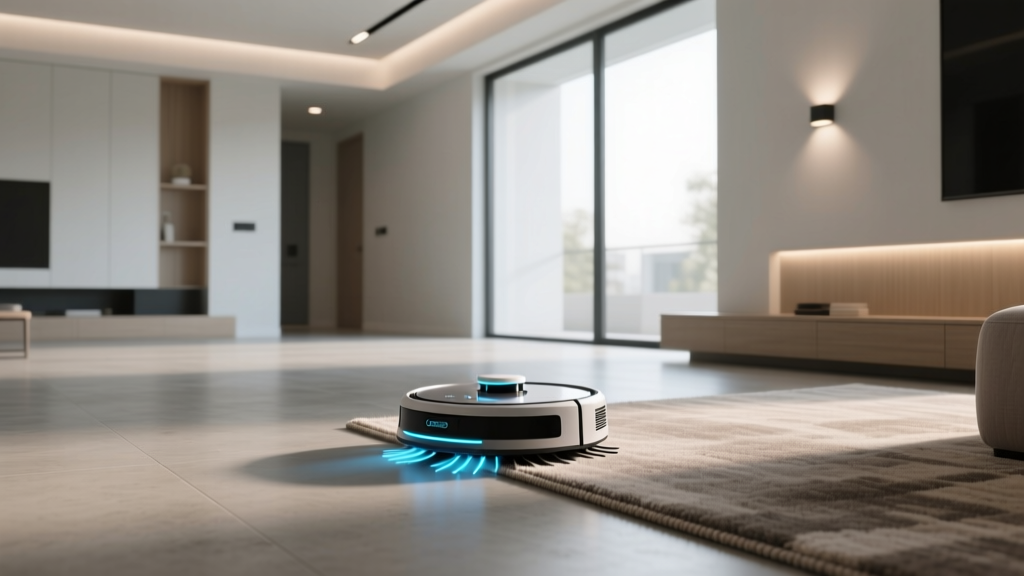
Defining the 'Automatic Carpet' Category
The term 'automatic carpet' has emerged in the flooring industry to describe two distinct, technology-integrated carpet systems designed for automated maintenance and automated monitoring. Unlike traditional broadloom or carpet tiles, automatic carpets are engineered specifically to interact with smart-home hardware.
When matching flooring to specific applications, contractors and homeowners must divide this category into two primary sub-types:
- Type A: Robot-Vacuum Optimized Carpets. Textiles engineered with specific pile heights, density ratings, and static-dissipative fibers to prevent navigation failures in LiDAR and vSLAM-equipped robotic vacuums (e.g., Roborock S8 Pro Ultra, iRobot Roomba j9+).
- Type B: Smart Sensor Carpets. Flooring systems integrated with capacitive or piezoelectric underlayments that detect pressure, moisture, or falls, transmitting data to building management or health-monitoring systems.
Selecting the correct automatic carpet requires matching the sub-type to the room's functional demands, subfloor conditions, and budget constraints.
Scenario 1: Robot-Vacuum Optimized Carpets for High-Traffic Homes
Standard plush carpets are the enemy of automated cleaning. High-pile fibers stall drive motors, fringes tangle in extractor brushes, and static electricity buildup blinds optical and LiDAR navigation sensors. An automatic carpet designed for robotic maintenance must meet strict physical tolerances.
The Physics of Robot Navigation on Carpet
Modern robot vacuums rely on LiDAR turrets and optical flow sensors. When a standard nylon carpet generates a static charge exceeding 3.5 kV (common in low-humidity winter environments), the electrostatic discharge (ESD) can scatter LiDAR laser pulses, causing the robot to map 'phantom walls' or fail to recognize drop-offs. To counter this, automatic carpets utilize Triexta (PTT polymer) or specialized anti-static Nylon 6,6 blends.
Furthermore, the carpet must possess a high density to prevent the robot's wheels from sinking, which triggers the machine's 'cliff sensor' false-positive protocols. According to testing frameworks established by the Carpet and Rug Institute (CRI), low-profile, high-density textiles yield a 40% improvement in automated soil extraction compared to standard cut-pile options.
Specification Matrix: Robot-Optimized Carpet Requirements
| Specification Metric | Minimum Requirement for Auto-Cleaning | Failure Mode if Exceeded |
|---|---|---|
| Pile Height | 0.375 inches (3/8') maximum | Drive-wheel slip; brush-roll jamming |
| Face Weight | 40 oz/sq yd minimum | Premature matting under repeated robotic passes |
| Density Rating | 4,500 minimum | Wheel sinkage triggering cliff-sensor errors |
| Fiber Type | Triexta or Anti-Static Nylon 6,6 | ESD interference with LiDAR/vSLAM mapping |
| Edge Detail | Zero-fringe, bound edges only | Catastrophic motor burnout from tangled threads |
Recommended Product Lines: Mohawk SmartStrand Silk (Triexta) in low-profile loop constructions, or Shaw Floors Anso Nylon with integrated static-control treatments. Expect to pay between $4.50 and $7.50 per square foot for these specialized textiles.
Scenario 2: Smart Sensor Carpets for Aging-in-Place & Commercial Health
For healthcare facilities, assisted living, and residential aging-in-place scenarios, 'automatic carpet' refers to floors that act as silent monitors. Instead of relying on invasive camera systems, smart carpets utilize a grid of capacitive sensors embedded in the underlayment to detect footsteps, gait anomalies, and sudden impacts.
How Capacitive Sensor Flooring Works
Systems like Tarkett's Sensfloor utilize a network of conductive wires and capacitive nodes placed just millimeters beneath the carpet backing. When a human body (which is highly conductive) steps on the floor, it alters the local electric field. The system's control unit processes this data at 100Hz to distinguish between a dropped object, a pet, and a human fall.
The National Institute on Aging emphasizes that rapid response to falls is critical for senior survival rates. Smart carpets provide instantaneous alerts to caregivers' mobile devices without compromising privacy, making them vastly superior to wearable pendants, which seniors frequently forget to wear.
2026 Cost Breakdown & ROI Analysis
Integrating automated flooring systems requires a higher upfront capital expenditure, but the ROI manifests in reduced maintenance labor (commercial) or avoided medical crises (residential).
| System Type | Material Cost (per sq ft) | Installation & Tech Setup | Total Project Cost (500 sq ft room) |
|---|---|---|---|
| Robot-Optimized Triexta (Type A) | $4.50 - $7.50 | $1.50 - $2.50 (Stretch-in) | $3,000 - $5,000 |
| Standard Broadloom (Baseline) | $2.50 - $4.00 | $1.50 - $2.50 (Stretch-in) | $2,000 - $3,250 |
| Smart Sensor Grid + Commercial Carpet Tile (Type B) | $22.00 - $35.00 | $8.00 - $12.00 (Glue-down + POE wiring) | $15,000 - $23,500 |
For commercial applications integrating smart carpets, the U.S. Department of Energy's Smart Buildings initiative notes that IoT-integrated flooring can also be tied into HVAC and lighting zoning, triggering energy savings when rooms are detected as vacant, offsetting the premium material costs over a 5-to-7-year lifecycle.
Installation Protocols: What General Contractors Miss
Installing automatic carpets is not a standard 'kick-and-stretch' operation. The installation methodology must align with the technology embedded in or interacting with the floor.
Direct Glue-Down vs. Stretch-In
For Robot-Optimized Carpets (Type A), a direct glue-down installation is heavily recommended over traditional pad-and-stretch. Glue-down eliminates the slight 'give' of a carpet pad, providing a rock-solid surface that prevents robotic vacuum wheels from sinking and slipping. Use a low-VOC, pressure-sensitive acrylic adhesive (e.g., Roberts 7200) to allow for future replacement without destroying the subfloor.
For Smart Sensor Carpets (Type B), the sensor mat must be adhered directly to the subfloor using a conductive-safe, moisture-cured urethane adhesive. The carpet tiles above the sensor mat are then applied using a releasable adhesive tape grid. This allows individual carpet tiles to be swapped out if stained, without disturbing the delicate sensor grid beneath. Power over Ethernet (PoE) Cat6 cabling must be routed through the subfloor or baseboards to connect the sensor grid to the local IoT gateway.
Frequently Asked Questions
Can I use a thick carpet pad with robot-vacuum optimized carpet?
No. Thick pads (like 7/16-inch rebond) introduce too much vertical deflection. If a pad is required for acoustic dampening, use a high-density, 1/4-inch felt or synthetic rubber pad with a density rating of at least 8 lbs per cubic foot. This provides sound absorption without compromising the rigid surface robots require for traction.
Do smart sensor carpets work with wheelchairs and heavy mobility equipment?
Yes, but the system's software must be calibrated. Advanced capacitive grids allow facility managers to set weight and surface-area thresholds. A wheelchair distributes weight over a larger area and rolls continuously, which the algorithm easily distinguishes from the sharp, localized impact signature of a human fall or the distinct gait pattern of a walking resident.
Will liquid spills destroy the smart sensor underlayment?
The sensor grids themselves are typically encased in waterproof TPU (Thermoplastic Polyurethane) jackets rated IP67 or higher. However, the edge-seams and connection nodes are vulnerable. Spills must be extracted immediately using hot-water extraction equipment. Do not use high-alkaline cleaning chemicals, as they can degrade the TPU casing over time and compromise the dielectric properties of the sensor grid.