Maximizing Carpet Knife Durability: Blade Lifespan and Steel Types
Analyze carpet knife blade durability, steel grades, and failure modes. Learn exact replacement intervals and lifespan extension techniques for flooring pros.
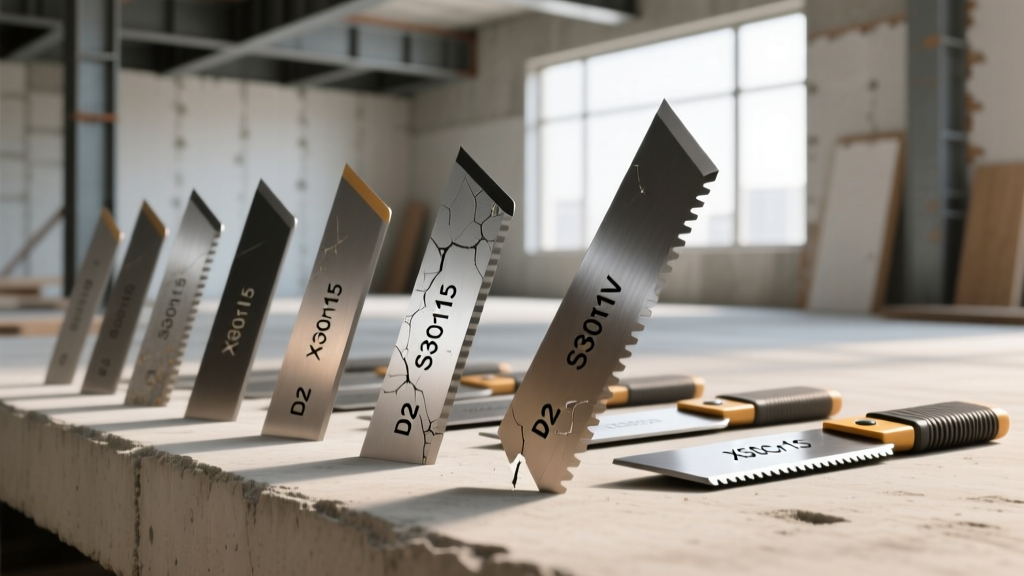
The Anatomy of Carpet Knife Durability
In professional flooring installation, a carpet knife is a high-wear asset. While the ergonomic handle may survive a decade of daily abuse, the blade itself is a consumable component whose lifespan is measured in linear feet rather than months. Understanding the durability dynamics of your carpet knife requires separating the tool into two distinct categories: the chassis (handle) and the cutting edge (blade). Flooring contractors who treat the entire tool as a single unit often overspend on premium handles while ignoring the metallurgical realities of the blades they insert.
Handle Longevity vs. Blade Degradation
Modern heavy-duty carpet knife handles are typically constructed from glass-filled nylon polymers or die-cast zinc alloys. These materials boast immense structural durability, resisting drops from scaffolding and the lateral torque applied when scoring thick carpet backing. However, the internal auto-locking mechanisms and slider tracks are the true failure points of the chassis. Dust from carpet fibers and dried adhesive frequently infiltrate the slider track, causing the blade to wobble. A wobbling blade creates uneven pressure on the cutting edge, accelerating localized dulling and increasing the risk of the blade snapping under load.
Blade Steel Metallurgy and Edge Retention
The lifespan of a carpet knife is entirely dictated by the steel grade and coating of the blade. Not all utility blades are engineered for the high-friction environment of cutting woven textiles and dense polyurethane padding. Below is a technical breakdown of the three primary blade metallurgies used in flooring.
| Blade Material | Hardness (HRC) | Edge Retention | Corrosion Resistance | Best Application |
|---|---|---|---|---|
| High-Carbon Steel (HCS) | 58-60 | Excellent | Poor | Dry synthetic carpets, rebond padding |
| Stainless Steel | 54-56 | Moderate | Excellent | Moist environments, marine flooring |
| Titanium Nitride (TiN) Coated | 60-62 (Surface) | Superior | High | Abrasive wool carpets, glue-down removal |
High-carbon steel (HCS) remains the industry standard due to its ability to take an exceptionally sharp initial edge. However, HCS is brittle. When cutting over uneven concrete subfloors, HCS blades are prone to micro-chipping. Titanium Nitride (TiN) coatings address this by providing a ceramic-like surface layer that reduces friction coefficients by up to 40%, allowing the blade to glide through dense jute backing without generating the heat that typically softens and rolls the steel edge.
Primary Failure Modes in Flooring Applications
Blades do not simply 'go dull' through normal use; they fail via specific mechanical and chemical mechanisms. Identifying these failure modes is critical for adjusting your cutting technique and extending blade life.
1. Abrasive Micro-Chipping (Subfloor Contact)
Concrete subfloors contain high concentrations of silica. When a flooring installer cuts carpet without utilizing a backer board or scrap piece of plywood underneath, the blade tip frequently scores the concrete. This contact instantly micro-chips the apex of the cutting edge. A single inch of concrete contact can degrade a blade's performance by 20%, transforming a clean slice into a frayed tear.
2. Edge Rolling (Dense Backing Materials)
Woven carpets with heavy jute or dense polypropylene secondary backings exert immense lateral pressure on the blade edge. If the steel lacks sufficient hardness (below 56 HRC), the microscopic apex of the edge will physically roll over rather than cut. This failure mode is common when using cheap, bulk-bin stainless steel blades on commercial-grade broadloom.
Cutting through old carpet that is glued directly to a subfloor is the fastest way to destroy a carpet knife blade. Cured polyurethane and latex adhesives act like sandpaper on high-carbon steel. According to safety guidelines outlined by the Occupational Safety and Health Administration (OSHA), using dull blades requires excessive downward force, significantly increasing the risk of severe lacerations when the blade slips off hardened adhesive ridges.
Lifespan Metrics: Linear Footage by Material
To manage tooling budgets effectively, flooring professionals must track blade lifespan against the specific materials being cut. The following data represents the average linear footage a premium TiN-coated trapezoid blade can achieve before edge degradation necessitates replacement or snapping.
- Synthetic Nylon Carpet (Residential): 110–140 linear feet per blade edge.
- Polypropylene Commercial Broadloom: 80–100 linear feet per blade edge.
- Heavy Wool Carpet: 40–60 linear feet per blade edge (natural fibers are highly abrasive).
- Rebond Urethane Padding: 150+ linear feet (low friction, low density).
- Jute Carpet Padding: 60–80 linear feet (high fiber density causes edge rolling).
"Never use the same blade edge to cut the carpet face and the underlying padding. Padding fibers often contain recycled textiles and microscopic debris that dull the edge prematurely. Switch to a dedicated hook blade for padding to preserve your straight trapezoid blades for the final carpet trim."
— Senior Installer Guidelines, Carpet and Rug Institute (CRI) 104 Standard
The Economics of Blade Replacement in 2026
Attempting to extend a carpet knife blade beyond its functional lifespan is a false economy. A dull blade requires 30% to 50% more downward force to initiate a cut. This increased physical exertion leads to installer fatigue, repetitive strain injuries, and a higher likelihood of miscuts that ruin expensive yardage.
As of 2026, a 50-pack of premium, TiN-coated heavy-duty trapezoid blades averages $16.00, equating to $0.32 per blade. If an installer replaces the blade every 50 linear feet on a wool carpet installation, the blade cost is roughly $0.006 per linear foot. On a standard 12x15 room (approx. 54 linear feet of perimeter cuts and seams), the total blade cost is less than $0.35. Contrast this with the cost of replacing a miscut $80-per-yard wool carpet, and the financial imperative for aggressive blade replacement becomes obvious.
The Snap vs. Swap Decision Framework
For snap-off utility knives (typically 9mm or 18mm widths), installers must decide when to snap the dull segment and when to swap the entire blade.
- Snap: When the cutting edge shows visible edge rolling or minor fraying, but the blade body remains rigid. Use heavy-duty snapping pliers, never bare hands or standard pliers which can shatter the steel unpredictably.
- Swap: When the blade exhibits lateral wobble in the holder, visible rust pitting near the snap lines, or if the next snap line is compromised by adhesive buildup.
Pro Maintenance and Extension Framework
While carpet knife blades are ultimately consumables, implementing a strict maintenance protocol can maximize their usable lifespan and ensure cut quality remains consistent throughout a multi-day commercial flooring project.
Daily Field Maintenance Checklist
- Solvent Wiping: After cutting glue-down carpets or trimming near tack strips, wipe the blade with a rag dampened with mineral spirits or a citrus-based adhesive remover. Dried latex adhesive on the blade bevel increases friction and accelerates edge wear.
- Track Lubrication: Apply a single drop of dry PTFE (Teflon) lubricant to the knife's slider track weekly. Avoid wet oils like WD-40, which attract carpet lint and form an abrasive paste inside the handle chassis.
- Bevel Inspection: Hold the blade under a bright work light. If the edge reflects a continuous line of light, the edge has rolled and must be snapped or discarded. A sharp edge will not reflect light at the apex.
- Dedicated Padding Blades: Keep a separate, lower-cost blade specifically for cutting rebond or felt padding. Mark the handle with tape to prevent cross-contamination with your finish-cutting blades.
Furthermore, ergonomic handling plays a hidden role in blade durability. According to research on construction hand tools by the National Institute for Occupational Safety and Health (NIOSH), maintaining a neutral wrist position and utilizing knives with contoured, bi-material grips reduces the lateral torque applied to the blade during long scoring cuts. Less lateral torque means less edge rolling and a significantly longer functional lifespan for high-carbon steel edges.
By treating your carpet knife as a precision system rather than a blunt force tool, and by respecting the metallurgical limits of your blades, you ensure cleaner seams, safer work environments, and highly predictable material costs on every flooring installation.