Maximizing Beige Carpet Lifespan: Fiber Density and Wear Analysis
Analyze beige carpet durability and lifespan. Learn how fiber type, face weight, and density ratings impact long-term wear and stain resistance.
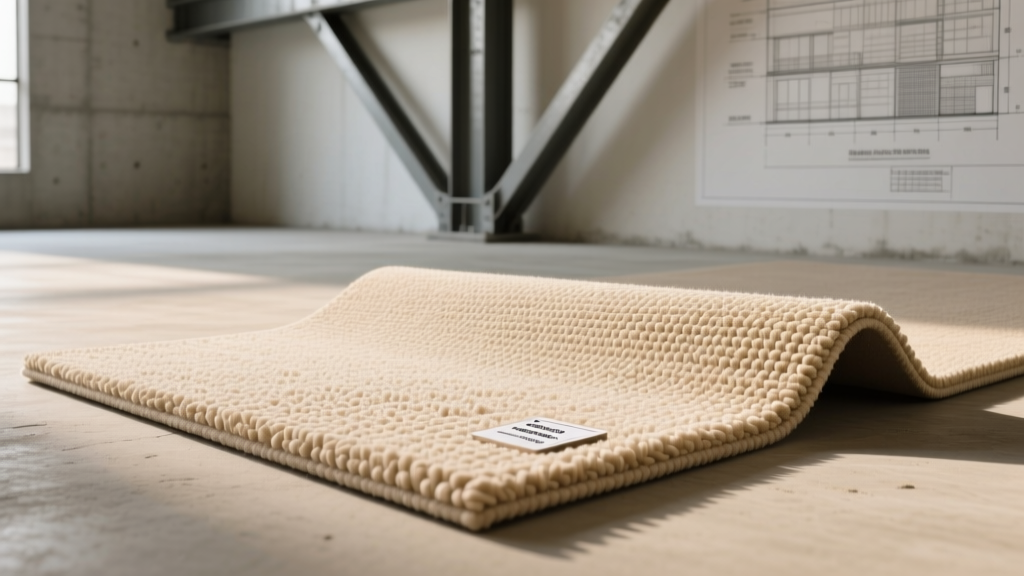
The Paradox of Beige Carpet: Aesthetic Longevity vs. Physical Wear
When evaluating flooring options, beige carpet presents a unique paradox in durability analysis. Structurally, a high-quality beige carpet can easily withstand 10 to 15 years of foot traffic before the physical fibers degrade. However, aesthetically, beige tones are highly susceptible to 'uglying out'—a phenomenon where the carpet appears worn and matted long before actual structural failure occurs. This is primarily due to the high contrast between light beige yarns and dark, embedded particulate soil.
To maximize the lifespan of beige carpeting, homeowners and commercial facility managers must look beyond basic marketing terms like 'stain-resistant' and focus on the structural engineering of the carpet: fiber polymer type, twist level, face weight, and density ratings. Understanding these metrics is the only way to ensure your beige carpet survives high-traffic zones without developing permanent, dark traffic lanes.
Fiber Composition: The True Driver of Carpet Lifespan
The polymer used to extrude the carpet yarn dictates 80% of the floor's long-term resilience and crush recovery. According to the Federal Trade Commission's Textile Fiber Rules, manufacturers must accurately label fiber content, but they are not required to disclose the specific polymer sub-type, which is where buyers get misled.
Nylon 6,6: The Durability Gold Standard
For beige carpet in high-traffic areas, Nylon 6,6 (such as Shaw's Anso or Mohawk's Wear-Dated lines) remains the undisputed leader in structural lifespan. The molecular structure of Nylon 6,6 provides superior hydrogen bonding, allowing the fiber to 'bounce back' after being crushed by heavy furniture or repetitive footfalls. A well-constructed Nylon 6,6 beige carpet will maintain its original pile height and texture for 12 to 15 years.
Triexta (PTT): The Stain-Resistant Contender
Triexta, most notably branded as Mohawk SmartStrand, offers exceptional inherent stain resistance without the need for topical chemical treatments. While its crush recovery is slightly lower than Nylon 6,6, its resistance to permanent staining makes it a highly viable option for beige carpets in homes with children or pets, where liquid spills are a greater threat to lifespan than heavy furniture compression.
Polyester (PET): The Budget Trap
Polyester offers brilliant color clarity, making beige tones look exceptionally rich upon installation. However, PET lacks structural resilience. In high-traffic hallways, polyester fibers will permanently mat and crush within 2 to 4 years. While the fibers won't break, the permanent matting destroys the aesthetic lifespan of the beige carpet, forcing premature replacement.
| Fiber Type | Crush Recovery | Stain Resistance | Aesthetic Lifespan | Installed Cost (per sq ft) |
|---|---|---|---|---|
| Nylon 6,6 | Excellent | Good (Requires Treatment) | 12 - 15+ Years | $5.50 - $9.00 |
| Triexta (PTT) | Very Good | Excellent (Inherent) | 10 - 12 Years | $4.50 - $7.50 |
| Polyester (PET) | Poor | Excellent (Inherent) | 3 - 5 Years | $3.00 - $5.00 |
| Wool | Good | Poor (Requires pH Care) | 15 - 20 Years | $9.00 - $16.00 |
Decoding Density and Face Weight for High-Traffic Zones
A common mistake when purchasing beige carpet is relying solely on 'face weight' (measured in ounces per square yard) as a proxy for durability. A 60-ounce carpet with a 1-inch pile height will actually perform worse and mat faster than a 45-ounce carpet with a 0.5-inch pile height. The critical metric is density—how closely packed the yarn tufts are stitched into the backing.
The Density Calculation Formula
To determine if a beige carpet will survive a busy hallway or living room, use the industry-standard density formula provided by textile engineers:
Target Metrics for Beige Carpet:
- Light Traffic (Guest Bedrooms): Density rating of 3,000 to 3,500.
- Heavy Residential (Living Rooms, Hallways): Density rating of 4,000 to 5,000.
- Extreme Traffic (Stairs, Entryways): Density rating of 5,500+.
Additionally, check the twist level. For cut-pile beige carpets (like saxony or frieze), look for a minimum of 5 to 7 twists per inch (TPI). A higher TPI acts like a tightly wound spring, resisting the crushing forces that cause beige fibers to splay outward and trap dirt.
Stain Resistance and Colorfastness in Beige Tones
Beige is a complex neutral, often containing subtle undertones of yellow, pink, or gray. Maintaining the original colorfastness is vital to the carpet's lifespan. Topical stain treatments (like fluorochemicals applied at the factory) will wear off after 3 to 5 years or after aggressive hot-water cleanings.
'For long-term color retention in light neutrals like beige, specify solution-dyed fibers rather than piece-dyed fibers. In solution-dyed yarns, the color pigment is mixed into the liquid polymer before the fiber is extruded, making it virtually impervious to bleach and UV fading.' — Textile Manufacturing Engineering Standards
If your beige carpet is installed in a room with large, south-facing windows, UV degradation will cause piece-dyed beige yarns to yellow or bleach out unevenly within 48 months. Solution-dyed Nylon or Triexta completely eliminates this failure mode.
Maintenance Protocols to Extend Lifespan to 15+ Years
Because beige carpet visually magnifies soil, a strict maintenance protocol is not just about hygiene; it is a structural necessity to prevent abrasive soil particles from micro-scratching the fibers. The Environmental Protection Agency (EPA) notes that carpets act as massive air filters, trapping particulate matter that must be mechanically removed before it is ground into the base of the tuft.
Follow these evidence-based maintenance intervals to preserve the aesthetic lifespan of beige flooring:
- Daily/Weekly Vacuuming: Use a vacuum with a rotating beater bar and a HEPA filtration system. The beater bar is required to vibrate the beige tufts and dislodge fine silica dust that settles at the base of the pile. Ensure the vacuum carries the Carpet and Rug Institute (CRI) Seal of Approval to guarantee it does not damage the fiber tips.
- Immediate Spot Extraction: Blot (never rub) liquid spills with a microfiber cloth. Rubbing beige carpet distorts the twist and causes immediate localized fuzzing, which will permanently look like a wear spot.
- Bi-Annual Hot Water Extraction (HWE): Every 12 to 18 months, hire an IICRC-certified professional to perform truck-mounted HWE. Portable rental machines lack the suction power to extract the dirty water, leaving behind sticky residue that will rapidly attract new soil, accelerating the 'uglying out' process.
- Teflon/Fluorochemical Reapplication: If you purchased a piece-dyed Nylon beige carpet, have a professional reapply a topical soil retardant immediately after every hot water extraction to maintain the fiber's low surface energy.
Frequently Asked Questions (FAQ)
Does carpet pad thickness affect the lifespan of beige carpet?
Yes, significantly. While a thick, low-density pad feels luxurious underfoot, it allows the beige carpet to flex too deeply when stepped on. This over-flexing breaks the primary and secondary latex backings, leading to delamination and seam splitting. For maximum lifespan, use a dense, high-resilience polyurethane pad or a rebond pad with a minimum density of 8 pounds per cubic foot and a maximum thickness of 7/16 inch.
Can I use bleach to clean stains on beige carpet?
Only if the carpet is explicitly manufactured from 100% solution-dyed fibers (often marketed as 'bleach-cleanable' or 'color-safe'). If the beige carpet is piece-dyed Nylon, Polyester, or Wool, bleach will permanently strip the color, leaving a stark white patch that cannot be repaired without professional dye-matching or a physical patch replacement.
Why does my beige carpet look darker in the hallway after just one year?
This is not physical wear, but rather 'soil shadowing.' Hallways generate high-velocity foot traffic that drives fine, oily particulate matter deep into the base of the beige tufts. Because beige reflects high amounts of light, the dark soil at the base creates a shadow effect. A professional hot water extraction with a pre-conditioning traffic-lane cleaner will usually restore the original beige tone, proving the fibers are structurally intact.