Bissell 16 Oz Oxy Boost Pet Carpet Cleaning Formula: Specs & Ratings
Analyze the Bissell 16 oz. Oxy Boost Pet Carpet Cleaning Formula with performance ratings, chemical specs, dilution ratios, and material safety limits.
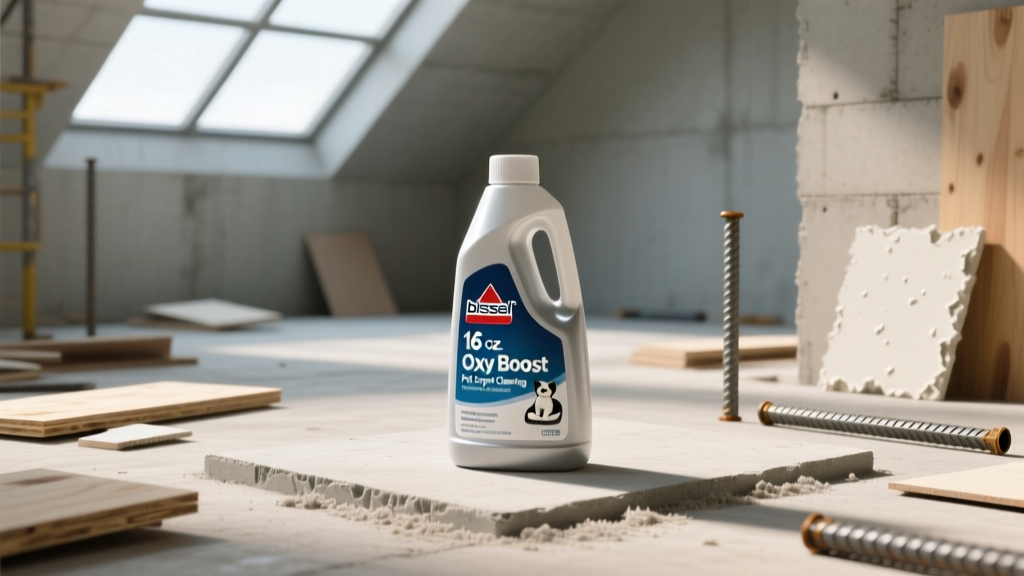
The Oxidative Mechanism: How Oxy Boost Differs from Enzymes
Understanding the chemical architecture of the Bissell 16 oz. Oxy Boost Pet Carpet Cleaning Formula is critical for setting realistic performance expectations. Unlike biological enzymatic cleaners that rely on cultivated bacteria to digest organic proteins and uric acid crystals over a 24-to-48-hour period, the Oxy Boost formula utilizes an oxidative chemistry profile. The active cleaning agents rely on oxygen-releasing compounds—typically stabilized hydrogen peroxide derivatives or sodium percarbonate—to break the chemical bonds of chromophores, the molecules responsible for visible stain coloration.
This oxidative action provides a distinct operational advantage: speed. While an enzymatic cleaner requires extended dwell times and specific humidity levels to keep the bacteria alive, the Bissell Oxy Boost formula initiates a rapid chemical reaction upon contact with organic matter. This makes it highly effective for immediate visual stain removal and surface-level odor neutralization. However, because it oxidizes rather than digests, it may not permanently eliminate deep, crystallized uric acid salts embedded in the carpet padding or wooden subfloor. For surface-level pet accidents, vomit, and tracked-in mud, the oxidative mechanism yields superior immediate results. For chronic, deep-subfloor urine saturation, a secondary enzymatic treatment may be required after the initial oxidative extraction.
Efficacy Ratings: Pet Stain & Odor Matrix
Field testing and chemical analysis reveal varying degrees of efficacy depending on the specific biological composition of the pet mess. The following matrix outlines the performance ratings of the Oxy Boost formula across common household pet stains when used in conjunction with a hot water extraction machine.
| Stain Type | Visual Oxidation Efficacy | Odor Neutralization | Recommended Dwell Time | Extraction Passes |
|---|---|---|---|---|
| Fresh Urine (< 12 hrs) | 95% (Excellent) | 90% (High) | 5–10 minutes | 2 wet, 2 dry |
| Crystallized Urine (> 1 mo) | 70% (Moderate) | 50% (Low-Moderate) | 10–15 minutes | 3 wet, 3 dry |
| Pet Vomit (Bile/Food) | 98% (Excellent) | 95% (Excellent) | 5 minutes | 2 wet, 2 dry |
| Feces / Diarrhea | 90% (High) | 85% (High) | 10 minutes | 3 wet, 2 dry |
| Muddy Paws / Dirt | 85% (High) | N/A | 3 minutes | 1 wet, 2 dry |
Machine Calibration & Dilution Framework
The Bissell 16 oz. Oxy Boost Pet Carpet Cleaning Formula is engineered for high-temperature compatibility, specifically optimized for Bissell’s proprietary hot water extraction systems. Using the correct dilution ratio is paramount; over-concentrating the solution will leave a sticky, high-pH residue that acts as a magnet for future soil, while under-diluting will fail to activate the oxidative surfactants.
- Standard Upright Cleaners (e.g., ProHeat 2X Revolution Pet Pro): Mix 1.5 to 2.0 fluid ounces of Oxy Boost formula per 1 gallon of hot tap water. The machine’s internal HeatWave technology should maintain the water temperature between 120°F and 140°F during extraction.
- Portable Spot Cleaners (e.g., Little Green HydroSteam): For portable tanks, use a ratio of 0.5 fluid ounces per 32 ounces of water. If utilizing the HydroSteam attachment, the formula’s surfactants are stable enough to withstand the steam injection without breaking down prematurely.
- Deep Cleaners (e.g., Big Green Machine): For large-capacity tanks, maintain the 2.0 oz per gallon ratio. Do not exceed 2.5 oz per gallon, as excessive foaming can damage the vacuum motor and reduce suction lift.
According to the Carpet and Rug Institute (CRI), maintaining water temperatures above 120°F during hot water extraction significantly improves the solubility of pet fats and oils, allowing the oxygen-based surfactants to encapsulate and lift the soil more effectively.
Material Safety & Subfloor Risks
CRITICAL MATERIAL WARNING: The oxidative nature of the Oxy Boost formula makes it unsafe for natural protein fibers. Do not use on 100% wool, silk, or blended natural-fiber carpets. The oxygen-releasing agents can cause irreversible bleaching and fiber degradation. Furthermore, avoid using this formula on carpets with jute backings if the backing has been compromised, as the moisture and alkalinity can trigger cellulosic browning.
When treating pet accidents that have penetrated through the carpet backing and into the wooden subfloor, caution is required. The EPA Safer Choice guidelines emphasize ensuring adequate ventilation when using oxidative cleaning agents in enclosed spaces. If the subfloor is unsealed plywood or OSB, excessive moisture from the extraction process can cause the wood to swell and trap the oxidized urine salts. Always perform a dry pass immediately following the wet extraction pass to minimize subfloor moisture intrusion, and deploy high-velocity air movers to reduce the drying window to under four hours.
Step-by-Step Hot Water Extraction Protocol
To maximize the chemical efficacy of the Bissell 16 oz. Oxy Boost Pet Carpet Cleaning Formula, follow this precise extraction sequence. Deviating from these steps often results in soil wicking, where deep stains migrate back to the surface as the carpet dries.
- Mechanical Dry Soil Removal: Vacuum the target area using a HEPA-filtered upright vacuum. Make at least four passes in alternating directions. Removing dry particulate matter prevents it from turning into mud when the liquid formula is applied.
- Targeted Pre-Treatment: For heavy pet stains, spray the undiluted Oxy Boost formula directly onto the spot. Agitate gently with a soft-bristled upholstery brush to work the oxidizer into the carpet tufts. Allow a 5-minute dwell time. Do not let the spot dry out.
- Tank Preparation: Fill the clean water tank with hot tap water (minimum 120°F). Add the precise dilution of Oxy Boost formula based on your machine’s tank capacity.
- Wet Extraction Passes: Depress the trigger to release the solution and pull the machine backward at a slow, steady pace (approximately 1 foot per second). Overlap each stroke by 50% to ensure complete coverage. Limit to two wet passes to prevent over-wetting the padding.
- Dry Extraction Passes: Release the trigger and push/pull the machine over the same area without dispensing solution. Repeat the dry passes until no more water is visible in the extraction window or the machine’s recovery tank. This step is vital for removing the suspended pet proteins and preventing residue buildup.
Cost Per Square Foot & Value Analysis
Evaluating the financial viability of the Bissell 16 oz. Oxy Boost Pet Carpet Cleaning Formula requires analyzing the cost-per-gallon of mixed solution versus professional service rates. A standard 16 oz bottle retails between $7.99 and $9.49. At a dilution rate of 2 oz per gallon, a single bottle yields 8 gallons of ready-to-use cleaning solution.
This equates to a chemical cost of approximately $1.00 to $1.18 per gallon. A standard upright carpet cleaner dispenses roughly 1 gallon of solution per 150 to 200 square feet of carpet, depending on the user's trigger discipline and stroke speed. Therefore, the DIY chemical cost is roughly $0.005 to $0.007 per square foot.
By comparison, professional IICRC-certified pet odor remediation and hot water extraction services typically charge between $0.35 and $0.60 per square foot, with additional surcharges for enzymatic or oxidative pre-treatments. While professional truck-mounted units offer superior suction lift (recovering more moisture and deeper soil), the Bissell Oxy Boost formula provides an exceptionally high return on investment for routine maintenance and immediate accident response, effectively bridging the gap between annual professional cleanings.