How to Get a Stain Out of Carpet by Fiber Material Type
Learn how to get a stain out of carpet based on fiber taxonomy. Discover pH matrices, chemical protocols, and material-specific extraction methods.
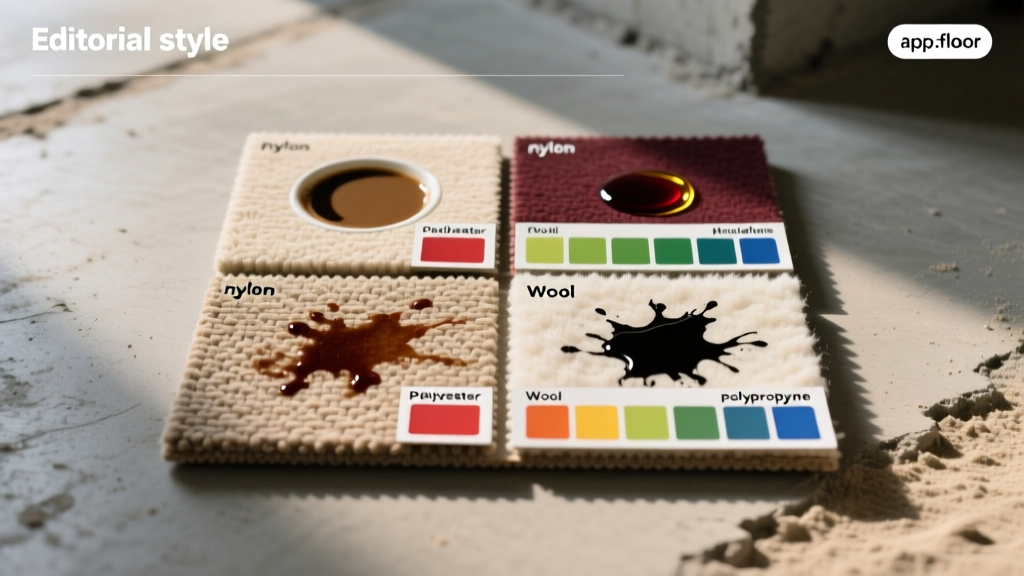
The Carpet Fiber Taxonomy: Why Material Dictates Chemistry
When homeowners ask how to get a stain out of carpet, the most critical variable is almost always ignored: the carpet's fiber taxonomy. Carpet fibers are not universally identical; they possess distinct molecular structures, dye affinities, and chemical tolerances. Applying an alkaline cleaner to a protein-based wool carpet will permanently destroy the fiber cuticle, while using a high-heat extractor on polypropylene will melt the pile. To successfully extract a stain without causing secondary damage like browning, shrinkage, or fiber degradation, you must first identify the material and match the chemistry to its specific molecular profile.
According to the Carpet and Rug Institute (CRI), over 80% of residential carpets are constructed from synthetic fibers (Nylon, Polyester, or Olefin), while the remainder consists primarily of natural Wool. Each category requires a fundamentally different approach to stain remediation.
Chemical Compatibility & pH Matrix
The pH scale is the primary determinant of cleaning success and fiber safety. Using a product outside the safe pH range for a specific fiber will result in irreversible damage. Below is the definitive compatibility matrix for the four primary carpet materials.
| Fiber Type | Ideal pH Range | Solvent Tolerance | Max Heat Limit | Primary Vulnerability |
|---|---|---|---|---|
| Nylon 6 / 6,6 | 4.0 - 8.0 | Moderate | 200°F (93°C) | Acid dyes (wine, coffee), Alkaline browning |
| Polyester (PET) | 5.0 - 9.0 | High | 212°F (100°C) | Oleophilic (oil-attracting) stains |
| Olefin (Polypropylene) | 3.0 - 10.0 | Very High | 150°F (65°C) | Friction heat melting, Oil wicking |
| Wool (Natural) | 4.5 - 8.0 | Low | 150°F (65°C) | Alkaline hydrolysis, Chlorine bleach |
Extraction Protocols by Stain Class
Once the fiber is identified, the stain must be classified by its chemical composition. Stains are not monolithic; a protein-based blood stain requires enzymatic cleavage, while a tannin-based coffee stain requires oxidation or reduction.
Class 1: Tannin & Acid Dyes (Coffee, Tea, Red Wine, Berries)
Tannins and acid dyes are the nemesis of Nylon carpets. Because nylon is dyed using acid dyes, it possesses open 'dye sites' that readily accept similarly charged molecules. Red wine and coffee act as secondary dyes, bonding ionically to the fiber.
- Immediate Action: Blot (do not rub) with a microfiber towel to remove bulk liquid.
- Chemical Application: Apply a 3% hydrogen peroxide solution (oxidizer) mixed with a few drops of neutral pH dish soap. For severe red wine stains on nylon, a reducing agent like sodium metabisulfite is required to break the chromophore bonds.
- Dwell Time & Extraction: Allow 10-15 minutes of dwell time. Extract with warm (not hot) water. Crucially, follow with an acid-side rinse (pH 3.0-4.0) to close the nylon dye sites and prevent wicking.
Class 2: Oleophilic Stains (Grease, Tar, Cooking Oil, Makeup)
Polyester (PET) and Olefin are hydrophobic (water-repelling) but highly oleophilic (oil-attracting). Water-based cleaners will simply bead up and fail to penetrate these stains.
- Chemical Application: Use a volatile dry solvent or a d-Limonene (citrus-based) emulsifier. These solvents break the van der Waals forces binding the oil to the synthetic fiber.
- Mechanical Action: Gently agitate with a soft horsehair brush. Warning: Do not use stiff bristles or high-speed rotary machines on Olefin, as the friction heat will melt the fibers (Olefin has a low melting point of roughly 300°F, easily reached via friction).
- Extraction: Rinse thoroughly with a high-surfactant extraction solution to suspend the emulsified oils and prevent them from re-depositing into the carpet backing.
Class 3: Protein & Enzymatic (Blood, Pet Urine, Feces, Dairy)
Protein stains require biological breakdown. Heat will coagulate proteins, permanently setting them into the fiber matrix—especially in natural Wool carpets.
- Temperature Control: Never use hot water on protein stains. Use cold water (below 70°F) exclusively.
- Chemical Application: Apply a specialized enzymatic cleaner containing protease enzymes. The WoolSafe Organization strictly mandates that any product used on wool must be WoolSafe Certified to ensure the enzymes and surfactants do not strip the natural lanolin or damage the epicuticle.
- Dwell Time: Enzymes require time and moisture to cleave peptide bonds. Allow 20-30 minutes of dwell time, keeping the area slightly damp. Extract with cold water.
Material-Specific Failure Modes & Edge Cases
Even with the right chemical, improper technique leads to catastrophic failure modes. Understanding these edge cases separates professional restorers from amateur attempts.
Warning: The Alkaline Browning Trap
A common failure mode occurs when cleaners use high-pH (alkaline) pre-sprays on Nylon or Wool carpets to cut through dirt. If the alkaline residue is not fully neutralized with an acid rinse, the lignins in the carpet backing or the jute fibers will oxidize, resulting in large, yellow-brown stains that appear 24 to 48 hours after cleaning. This is not a stain; it is chemical cellulosic browning. It must be corrected by applying a specialized browning treatment (pH 2.0-3.0) and re-extracting.
Critical Edge Case: Bleach on Wool
Never use chlorine bleach (sodium hypochlorite) on wool. Wool is a protein fiber composed of amino acids linked by disulfide bonds. Chlorine bleach aggressively attacks and dissolves these disulfide bonds, literally liquefying the carpet fiber and leaving a permanent, unrepairable bald spot. If a stain on wool requires oxidization, use only stabilized hydrogen peroxide at concentrations no higher than 6%.
Mechanical Agitation vs. Chemical Dwell Time
A frequent mistake in carpet stain removal is over-reliance on mechanical scrubbing. According to standards set by the Institute of Inspection, Cleaning and Restoration Certification (IICRC), chemical dwell time should do 90% of the work. Aggressive scrubbing, particularly on cut-pile carpets, causes 'fuzzing' or 'blooming,' where the fiber tips fray and the carpet permanently loses its structural twist. Always allow the solvent or enzyme to dwell for the manufacturer-recommended timeframe, use gentle counter-clockwise circular motions with a white microfiber cloth, and rely on high-suction extraction rather than elbow grease.
2026 Product Recommendations by Fiber Type
When selecting commercial or consumer-grade spot removers, verify the active ingredients against your fiber taxonomy:
- For Nylon (Acid Dye Stains): Look for products containing sodium percarbonate or stabilized hydrogen peroxide. Avoid products with high ammonia content.
- For Polyester & Olefin (Oil/Grease): Seek out citrus-based d-Limonene solvents or volatile dry solvents (VDS). Products labeled as 'Orange Power' or specialized dry-cleaning fluid emulsions work best to break down oleophilic bonds.
- For Wool (General & Protein): Strictly purchase products bearing the WoolSafe Approved mark. These are rigorously tested to ensure a pH between 4.5 and 8.0, and guarantee the absence of optical brighteners and harsh alkalis that degrade natural fibers.
By treating carpet stain removal as a precise chemical matching exercise rather than a generic scrubbing task, you preserve the structural integrity of the flooring while achieving complete stain eradication.