Sisal Carpet Rugs: Durability, Lifespan, and Wear Analysis
Analyze the true lifespan of sisal carpet rugs. Discover durability metrics, traffic wear patterns, moisture risks, and expert maintenance protocols.
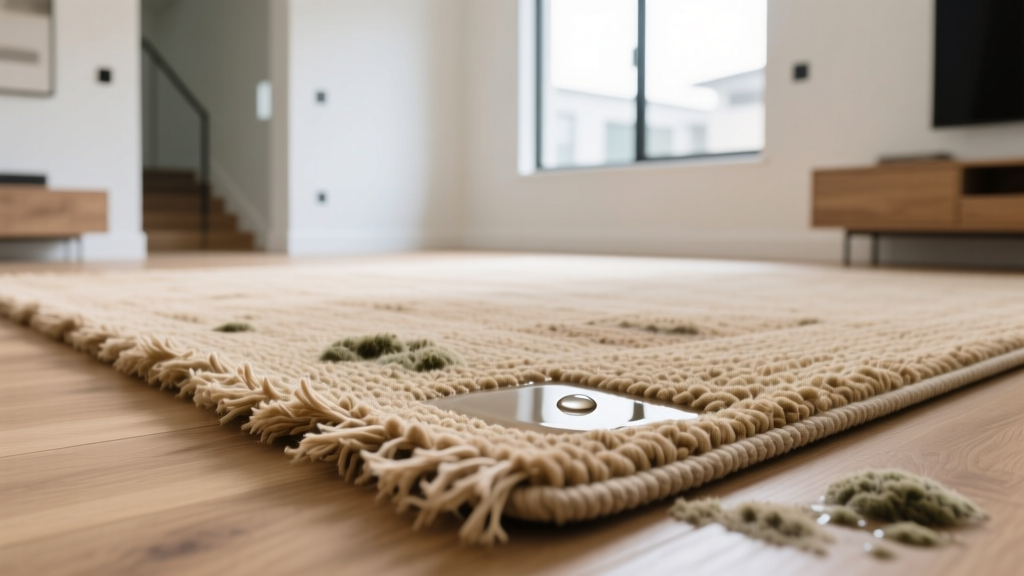
Sisal carpet rugs, woven from the extracted fibers of the Agave sisalana plant, occupy a unique position in the architectural flooring market. Unlike synthetic alternatives, sisal offers a rigid, organic texture that appeals to biophilic design principles. However, specifying sisal for residential or commercial interiors requires a rigorous understanding of its mechanical limitations. While the fibers possess exceptional tensile strength, their vulnerability to moisture and abrasion dictates strict placement parameters. This analysis breaks down the structural durability, projected lifespan, and specific failure modes of sisal carpet rugs to guide precise material selection.
Fiber Anatomy and Structural Integrity
The durability of a sisal rug begins at the cellular level. Sisal fibers are classified as hard leaf fibers, composed primarily of cellulose (65-70%), hemicellulose (12-15%), and lignin (9-11%). This high cellulose content is responsible for the fiber's remarkable rigidity and load-bearing capacity. According to the Food and Agriculture Organization (FAO), sisal fibers boast a tensile strength of 400–700 MPa, significantly outperforming softer natural fibers like jute or cotton.
When evaluating sisal rugs, weave density is the primary indicator of abrasion resistance. Standard commercial-grade sisal features a 10x10 weave (10 warp and 10 weft threads per inch). For high-traffic corridors, specify a tight bouclé or flatweave construction with a minimum 12x12 density. Lower density weaves (8x8) will exhibit structural loosening and fiber shedding within 18 months under rolling loads.
Lifespan Projections by Traffic Zone
The functional lifespan of a sisal rug is not a fixed number; it is inversely proportional to the friction and moisture exposure of its environment. Below is a projected lifespan matrix based on standard residential and light-commercial traffic patterns, assuming proper humidity control (40-50% relative humidity).
| Traffic Zone | Expected Lifespan | Primary Wear Mechanism |
|---|---|---|
| Low Traffic (Bedrooms, Formal Dining) | 12–15+ Years | UV degradation, edge binding separation |
| Medium Traffic (Living Rooms, Home Offices) | 7–10 Years | Surface abrasion, localized fiber crushing |
| High Traffic (Entryways, Main Corridors) | 3–5 Years | Grit infiltration, fiber shearing, moisture staining |
| Wet Zones (Kitchens, Bathrooms, Mudrooms) | Not Recommended | Cellulose rot, mold proliferation, dimensional instability |
Primary Failure Modes and Degradation Vectors
Understanding how sisal fails is critical for preventative specification. Unlike synthetic carpets that wear down uniformly, natural fiber rugs degrade through specific environmental and mechanical vectors.
1. Moisture and Spill Degradation
Sisal is highly hygroscopic. When exposed to liquid water, the fibers absorb moisture rapidly, causing them to swell. As they dry, they contract, leading to dimensional instability (rippling or buckling of the rug). More critically, prolonged dampness breaks down the lignin bonds, resulting in permanent brown water stains and eventual cellulose rot. The Environmental Protection Agency (EPA) notes that organic materials maintained at high humidity or dampness are prime substrates for mold colonization, which will destroy the rug's backing and fibers from the underside up.
Never use steam cleaners, wet shampoos, or water-based extraction methods on sisal. The introduction of heat and moisture will permanently distort the weave and activate tannins in the fiber, causing irreversible dark staining.
2. Edge Binding Separation
The perimeter binding is often the first point of structural failure. As the rug flexes under foot traffic, the binding material experiences sheer stress. Cotton canvas serging, while cost-effective ($3–$5 per linear foot), tends to fray and separate within 3 to 5 years in active zones. Conversely, leather binding ($15–$25 per linear foot) provides a structural exoskeleton that can outlast the sisal field itself, easily surviving 15+ years of heavy use.
3. UV Fading and Fiber Brittleness
Prolonged exposure to direct ultraviolet radiation degrades the hemicellulose in sisal, leading to bleaching and a loss of tensile flexibility. Rugs placed in south-facing rooms with unfiltered glazing will become brittle over time, increasing the likelihood of fiber snapping under point loads (such as stiletto heels or heavy furniture casters).
Material Comparison Matrix: Natural Fiber Alternatives
To contextualize sisal's durability, it must be evaluated against competing natural flooring materials. Each fiber presents a distinct trade-off between softness, moisture resistance, and structural longevity.
| Material | Abrasion Resistance | Moisture Tolerance | Underfoot Feel | Best Application |
|---|---|---|---|---|
| Sisal | High | Very Low | Rigid, Textured | Living areas, hallways |
| Jute | Low | Low | Soft, Braided | Bedrooms, low-traffic zones |
| Seagrass | Medium-High | High (Non-porous) | Smooth, Hard | Kitchens, dining rooms |
| Wool | Very High | Medium (Repels light spills) | Plush, Resilient | All residential zones |
Precision Maintenance Protocols for Lifespan Extension
Maximizing the ROI of a sisal rug requires abandoning traditional carpet care methodologies. Implement the following maintenance framework to preserve the fiber's structural integrity:
- Dry Soil Extraction (Weekly): Use a canister vacuum with a suction-only floor head. Never use an upright vacuum with a rotating beater bar, as the aggressive bristles will tear the sisal fibers from the warp threads, causing permanent fuzzing and structural weakening.
- Immediate Spill Protocol: For liquid spills, immediately blot (do not rub) with a clean, white, absorbent microfiber cloth. Apply a minimal amount of dry-cleaning solvent (such as Afta Spot Remover) to a cloth and dab the stain. Rubbing pushes the liquid deeper into the latex backing.
- Deep Cleaning (Annual): Utilize a dry extraction cleaning system. Products like HOST Dry Carpet Cleaner use millions of absorbent sponges to lift soil without introducing liquid water. Brush the compound into the weave, allow it to dry, and vacuum thoroughly.
- Humidity Regulation: Maintain indoor relative humidity between 40% and 50%. In arid climates or during winter heating seasons, excessive dryness can cause the fibers to become brittle and snap. In humid climates, use dehumidifiers to prevent the backing from absorbing ambient moisture.
Procurement Specifications for Maximum Durability
When sourcing sisal carpet rugs for architectural projects, specify the following parameters to ensure commercial-grade longevity. Organizations like GoodWeave International also provide certification for ethical weaving practices, which often correlates with higher manual quality control and tighter, more durable weaves.
- Backing Material: Specify a natural latex backing rather than synthetic PVC. Natural latex allows the rug to breathe, reducing the risk of trapped moisture leading to subfloor damage or mold. Ensure the latex is applied in a breathable grid pattern, not a solid coat.
- Binding Selection: For high-traffic commercial or residential applications, mandate leather or heavy-duty synthetic leather binding. If a softer edge is required for design reasons, specify a wide (minimum 2-inch) cotton canvas binding with double-stitched locking seams.
- Weave Construction: Opt for a bouclé (looped) weave over a flatweave for high-traffic zones. The looped construction distributes point loads across a larger surface area of the fiber, reducing localized crushing and extending the rug's aesthetic lifespan by an estimated 20-30%.
- Fiber Blends: If underfoot softness is a priority but sisal's durability is required, specify a Sisal/Wool blend (typically 60% sisal / 40% wool). The wool adds resilience and stain resistance, while the sisal provides the structural骨架 (skeleton) and textural aesthetic.
By treating sisal not merely as a decorative accent, but as a specialized architectural material with distinct mechanical properties, designers and homeowners can leverage its organic beauty without falling victim to premature degradation. Proper specification, precise placement, and strict adherence to dry maintenance protocols will ensure the rug performs flawlessly for its maximum projected lifespan.