Tile Shower and Floor Cleaning Playbook: Grout and Care
Master your tile shower and floor maintenance with our expert cleaning playbook. Learn pH-specific protocols, grout sealing, and stain removal techniques.
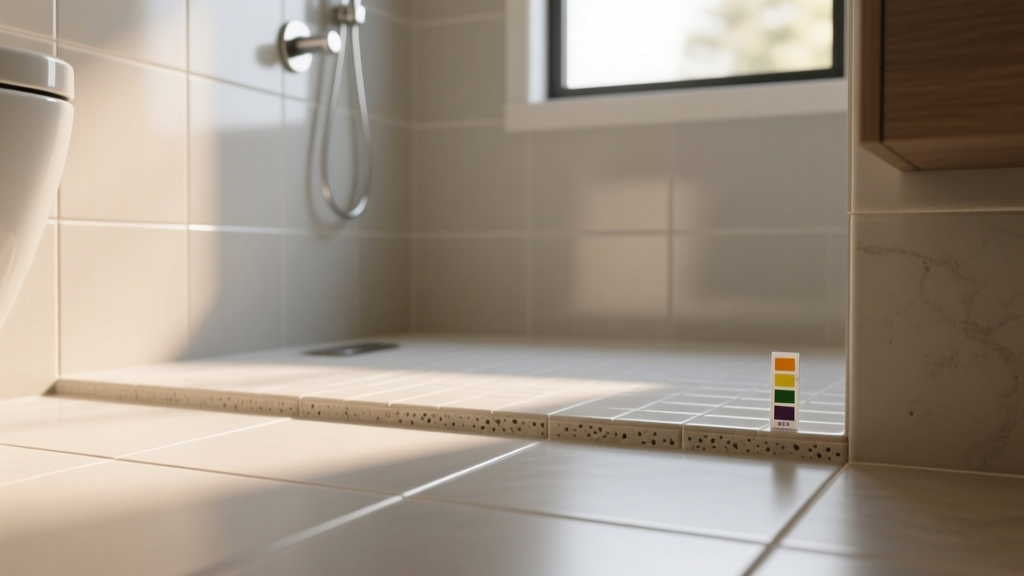
The Material Matrix: Identifying Tile and Grout Vulnerabilities
Effective maintenance of a tile shower and floor begins with accurate material identification. The most common cause of irreversible surface damage is the application of an incompatible cleaning agent. According to guidelines published by the Tile Council of North America (TCNA), cleaning protocols must be strictly matched to the porosity and chemical sensitivity of both the tile body and the grout joint.
| Material Type | pH Tolerance | Primary Vulnerability | Recommended Cleaner Base |
|---|---|---|---|
| Glazed Ceramic | 2.0 - 12.0 | Surface scratching from abrasives | Mild alkaline or neutral |
| Porcelain (Polished) | 3.0 - 11.0 | Loss of polish from strong acids | pH-neutral (7.0 - 8.0) |
| Natural Stone (Calcite) | 7.0 - 10.0 | Etching from any acidic cleaner | Strictly pH-neutral |
| Cementitious Grout | 7.0 - 10.0 | Degradation from acids, staining | Alkaline degreasers |
| Epoxy / Urethane Grout | 2.0 - 12.0 | Soap scum adhesion, hazing | Enzymatic or mild solvent |
Daily and Weekly Maintenance Protocols
A reactive approach to cleaning guarantees long-term degradation. Implementing a proactive daily and weekly playbook drastically reduces the need for harsh chemical interventions.
The Daily Squeegee and Ventilation Rule
Water left to evaporate on a tile shower and floor leaves behind dissolved minerals (calcium and magnesium carbonates). To prevent hard water scale buildup:
- Squeegee vertically: After every use, run a silicone-blade squeegee down the walls and across the floor pan. This removes 85% of standing water.
- Microfiber wipe: For polished natural stone, follow the squeegee with a dry microfiber cloth to prevent water spots that etch into calcium-based stones like marble or travertine.
- Ventilation timing: Run the bathroom exhaust fan (minimum 50 CFM for standard bathrooms) for at least 30 minutes post-shower to drop ambient humidity below 60%, inhibiting mold spore germination.
Weekly pH-Neutral Washing
For weekly maintenance, abandon generic supermarket bathroom cleaners, which often contain hydrochloric or phosphoric acid. Instead, use a dedicated pH-neutral tile cleaner (pH 7.0 to 8.0). Apply the solution, allow a 3-to-5-minute dwell time to emulsify body oils and soap scum, and agitate with a soft-bristle nylon brush. Rinse thoroughly with warm water.
Deep Cleaning Playbook: Targeted Stain Removal
When daily and weekly protocols fail, targeted deep cleaning is required. The chemical approach must be dictated by the specific stain chemistry, not just the tile material.
Hard Water and Calcium Scale
Calcium carbonate requires an acidic cleaner to dissolve. For ceramic and porcelain tile, use a phosphoric acid-based cleaner (pH 4.0 - 5.0). Apply, let dwell for 10 minutes, and scrub. Never use hydrochloric (muriatic) acid, as it can degrade cementitious grout and corrode metal fixtures and shower drains.
Mold and Mildew in Grout Joints
Mold roots penetrate the microscopic pores of cementitious grout. Surface scrubbing with bleach only removes the surface pigment while leaving the root structure intact, leading to rapid regrowth. The EPA's Safer Choice program recommends hydrogen peroxide-based cleaners for porous surfaces. Apply a 6% to 12% hydrogen peroxide solution directly to the grout lines, cover with plastic wrap to prevent evaporation, and allow a 45-minute dwell time before scrubbing and rinsing.
Rust Stains
Rust (iron oxide) from shaving cans or metal fixtures requires a reducing agent. Oxalic acid is the industry standard for rust removal on tile. Apply a commercial oxalic acid rust remover, let it sit for 5 to 10 minutes, and rinse heavily. Neutralize the area afterward with a baking soda and water solution to halt the acidic reaction.
Grout Sealing Strategies and Water Absorption Tests
Cementitious grout is inherently porous. Without a proper sealer, it acts as a sponge for dirt, oils, and moisture. However, not all sealers are appropriate for every environment.
The Water Drop Test: Before sealing, perform a water drop test. Place three drops of water on the dry grout line. If the water darkens the grout within 60 seconds, the grout is unsealed or the previous sealer has failed and requires reapplication.
- Penetrating (Impregnating) Sealers: These utilize silane or siloxane resins that penetrate the grout pores and create a hydrophobic barrier below the surface. They do not alter the grout's appearance or traction. This is the mandatory choice for shower floors to prevent slip hazards.
- Enhancing Sealers: These provide a "wet look" and deepen the color of the grout and natural stone. They are best suited for vertical shower walls or dry-area floors where slip resistance is less critical.
- Topical (Film-Forming) Sealers: These sit on top of the grout. Avoid these in wet environments like showers, as trapped moisture beneath the film will cause the sealer to peel, turn cloudy, and eventually harbor mold.
According to the Natural Stone Institute, penetrating sealers in high-traffic, high-moisture shower environments typically require reapplication every 12 to 18 months, depending on the frequency of use and the alkalinity of the cleaning products used.
Common Failure Modes and Maintenance Mistakes
Even well-intentioned maintenance routines can destroy a tile shower and floor if foundational errors are made. Avoid these critical failure modes:
- Using Steam Cleaners on Grout and Stone: While steam cleaners are marketed as chemical-free, the extreme heat (often exceeding 212°F/100°C) can degrade the polymers in modified grouts, melt urethane grout, and cause thermal shock cracking in natural stone tiles.
- Over-concentrating Cleaners: Mixing cleaning solutions stronger than the manufacturer's recommended ratio does not clean better; it leaves a sticky, high-pH residue that acts as a magnet for dirt and accelerates soap scum buildup.
- Using Abrasive Pads: Steel wool, stiff wire brushes, or melamine sponges (magic erasers) act as micro-sandpaper. They will permanently dull the glaze on ceramic tile and strip the polish off porcelain and natural stone.
- Ignoring the Silicone Caulking: Sealers do not adhere to 100% silicone caulk used in change-of-plane joints (where the wall meets the floor). If mold infiltrates the silicone, no cleaner will remove it. The only remedy is to physically cut out the compromised caulk, clean the joint with denatured alcohol, and re-apply an ASTM C920 compliant sanitary silicone.
Expert Troubleshooting FAQ
Q: My porcelain shower floor has a hazy, white film that won't scrub off. What is it?
A: This is likely efflorescence or polymer hazing. If it's efflorescence (soluble salts migrating from the mortar bed), clean with a specialized efflorescence remover. If it's polymer haze from the grout installation, use a solvent-based haze remover or a mild acid wash, ensuring the grout is fully cured (minimum 28 days) before applying.
Q: Can I use vinegar to clean my tile shower and floor?
A: White vinegar (acetic acid, pH ~2.5) is safe for glazed ceramic and unpolished porcelain. It is strictly prohibited for natural stone, unglazed quarry tile, and can degrade cementitious grout over time with repeated use. For a universal, safe alternative, stick to commercial pH-neutral formulations.