Used Industrial Floor Scrubber Appleton: Concrete Prep Procedures
Master concrete floor prep and coating maintenance. Learn application procedures for a used industrial floor scrubber Appleton facilities rely on.
The Role of Scrubbers in Industrial Floor Installation
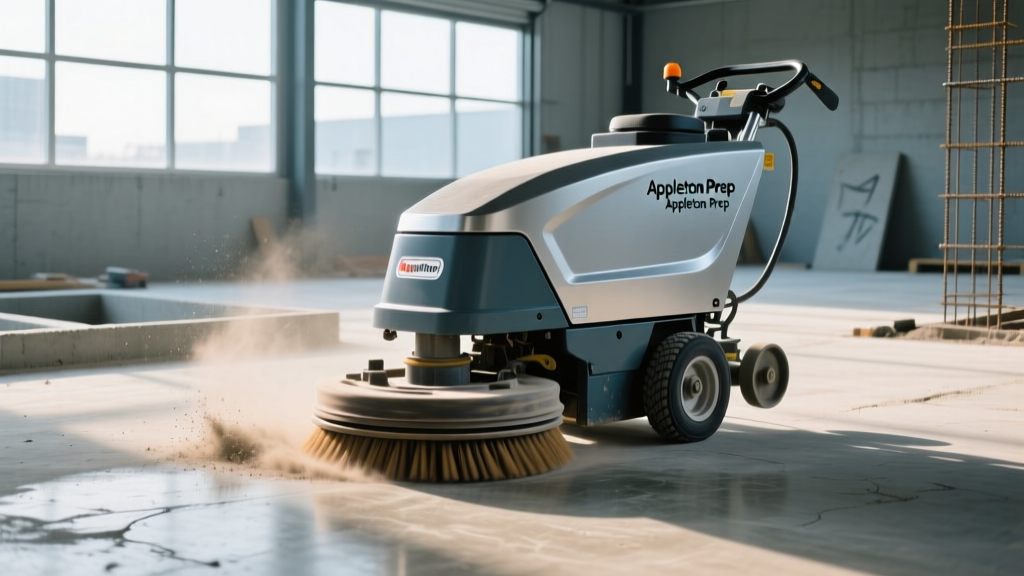
When installing heavy-duty industrial flooring systems like polyaspartic, epoxy, or polished concrete in the Fox Valley, surface preparation dictates the lifespan of the coating. While shot blasting and diamond grinding are standard for achieving a Concrete Surface Profile (CSP) of 2 to 3, industrial floor scrubbers serve a critical, often overlooked role in the application lifecycle. They are essential for pre-installation deep cleaning, micro-profiling, and post-installation maintenance. For local contractors and facility managers, procuring a used industrial floor scrubber Appleton market vendors offer is a highly cost-effective strategy to manage these prep and maintenance phases without the capital expenditure of new equipment.
Wet scrubbing is also a primary engineering control for dust mitigation. According to OSHA's respirable crystalline silica standard, utilizing wet methods significantly reduces airborne silica dust compared to dry mechanical abrasion, keeping facilities compliant during the prep phase.
Sourcing a Used Industrial Floor Scrubber in Appleton: 2026 Market Data
The secondary market for floor care equipment in Wisconsin's manufacturing corridor is robust. Facilities upgrading to autonomous or lithium-ion fleets frequently offload well-maintained AGM-battery and propane models. Below is the 2026 pricing and specification matrix for the most common refurbished models available in the Appleton area.
| Model | Type | Path Width | Used Price Range (2026) | Best Application |
|---|---|---|---|---|
| Tennant T5 | Ride-On | 27 inches | $6,500 - $9,200 | Large warehouse pre-wash & maintenance |
| Nilfisk SC500 | Walk-Behind | 20 inches | $3,200 - $4,800 | Aisle prep & tight-corner epoxy cleaning |
| Clarke BOOST | Orbital Walk-Behind | 20 inches | $4,100 - $5,500 | Aggressive stripping & micro-profiling |
| Tennant M20 | Ride-On Sweeper/Scrubber | 34 inches | $11,000 - $15,500 | Heavy debris removal + wet prep |
Step-by-Step Application: Prepping Concrete for Polyaspartic Coatings
Using a refurbished scrubber for coating prep requires precise operational parameters to ensure the concrete is free of laitance, oils, and residual salts. Follow this application procedure:
- Initial Dry Sweep: Never introduce water to a floor with heavy particulate. Use a mechanical sweeper or vacuum to remove pallet debris and metal shavings. Mud creation will clog the scrubber's recovery squeegee.
- Chemical Selection & Dwell Time: Fill the solution tank with a high-alkaline degreaser (pH 11-12) diluted at 2 oz per gallon for cutting machine oils. Apply the solution via the scrubber without engaging the squeegee or vacuum. Allow a 10-minute dwell time to emulsify the lipids.
- Agitation Pass: Engage the brush motors. For standard prep, use 20-grit diamond-impregnated pads rather than standard poly brushes. The diamonds will micro-abrade the surface, opening the pores of the concrete for epoxy penetration.
- Recovery and Overlap: Engage the vacuum squeegee. Maintain a maximum speed of 2.5 mph. Overlap each pass by exactly 4 inches to prevent untreated streaks that will cause coating delamination.
- Neutralization Rinse: Drain the recovery tank, refill the solution tank with clean water and a mild acidic neutralizer (pH 4-5) to balance the concrete's surface alkalinity, which is critical for moisture-mitigating epoxy primers.
⚠️ Fox Valley Hard Water Warning
Appleton's municipal water supply, drawn from deep sandstone aquifers and Lake Winnebago, frequently tests between 15 and 22 grains per gallon (gpg) of hardness. If you use unsoftened tap water in your scrubber's recovery cycle, calcium carbonate will precipitate onto the concrete as it dries, leaving a white micro-film that acts as a bond-breaker for polyaspartic coatings. Procedure fix: Always use an inline water softener at the fill station, or add a commercial chelating agent to the rinse tank to suspend hard water minerals until they are vacuumed into the recovery tank.
Winter Maintenance Protocols for Appleton Facilities
Industrial facilities in the Fox Valley face unique flooring challenges from December through March. The Wisconsin DOT heavily utilizes magnesium chloride brine and rock salt on regional highways. When forklifts and employee vehicles track these de-icing agents into a warehouse, they create a highly corrosive, hygroscopic film that prevents epoxy and urethane topcoats from curing properly and creates severe slip hazards.
Standard nylon or polypropylene scrubber brushes are entirely ineffective against crystallized magnesium chloride. To properly maintain industrial floors in the winter, swap the scrubber's standard pads for 20-grit or 30-grit resin-bonded diamond pads. The mechanical cutting action fractures the salt crystallization, while the high-flow vacuum recovery extracts the corrosive brine before it can pit the concrete surface or degrade the installed floor coating.
Troubleshooting Common Scrubber Application Failures
When operating used equipment, mechanical wear can compromise floor prep quality. Use this diagnostic matrix to identify and resolve application defects.
| Symptom on Floor | Probable Mechanical Cause | Corrective Action |
|---|---|---|
| Streaks of dirty water left behind | Worn squeegee blade or warped recovery tank seal | Replace 70A polyurethane squeegee blade; check tank vacuum gasket. |
| Uneven cleaning / gloss variations | Brush motor drawing low amperage; worn brush hub | Test motor amps; replace splined brush hub if stripped. |
| Puddling at the end of the run | Recovery filter clogged or vacuum motor carbon brushes worn | Clean poly-floater filter; inspect and replace vacuum motor brushes. |
| White chalky residue after drying | Hard water mineral deposits or improper chemical dilution | Use chelating rinse agents; verify dosing valves are not clogged. |
Battery and Mechanical Inspection for Refurbished Units
Before deploying a used industrial floor scrubber for a critical floor prep project, conduct a rigorous baseline inspection. The battery bank is the most common point of failure in second-hand equipment.
- AGM Battery Load Testing: Most used walk-behinds utilize 6V or 12V Absorbent Glass Mat (AGM) batteries. After a full 12-hour charge, use a carbon pile load tester. If the voltage drops below 10.5V under load for a 12V battery, the cells are sulfated and must be replaced before starting a multi-day prep job.
- Lithium-Ion Retrofit Verification: Some 2026 market listings feature 'refurbished' units with aftermarket lithium drop-ins. Verify the Battery Management System (BMS) is communicating with the scrubber's main controller. A mismatched BMS will trigger fault codes and shut down the brush motors mid-pass.
- Solution Valve Solenoids: Hard water scale frequently seizes the 24V solenoid valves that control water flow to the brush deck. Manually trigger each valve while the machine is elevated to ensure a consistent, symmetrical spray pattern.
- Discharge Compliance: The recovery tank wastewater contains suspended concrete fines, heavy metals, and alkaline chemicals. Discharging this directly into municipal storm drains violates local and federal regulations. Consult the EPA's NPDES guidelines and route all recovery tank discharge to a sanitary sewer or an approved industrial settling pit.
Mastering the application procedures of a used scrubber ensures that your concrete substrates are chemically and mechanically primed for high-performance coatings, maximizing the ROI of your equipment and your flooring installation.