Cracked Foundation Repair Cost Calculator and Estimation Guide
Calculate your cracked foundation repair costs with our 2026 estimator guide. Breakdowns for epoxy, polyurethane, carbon fiber, and piering methods.
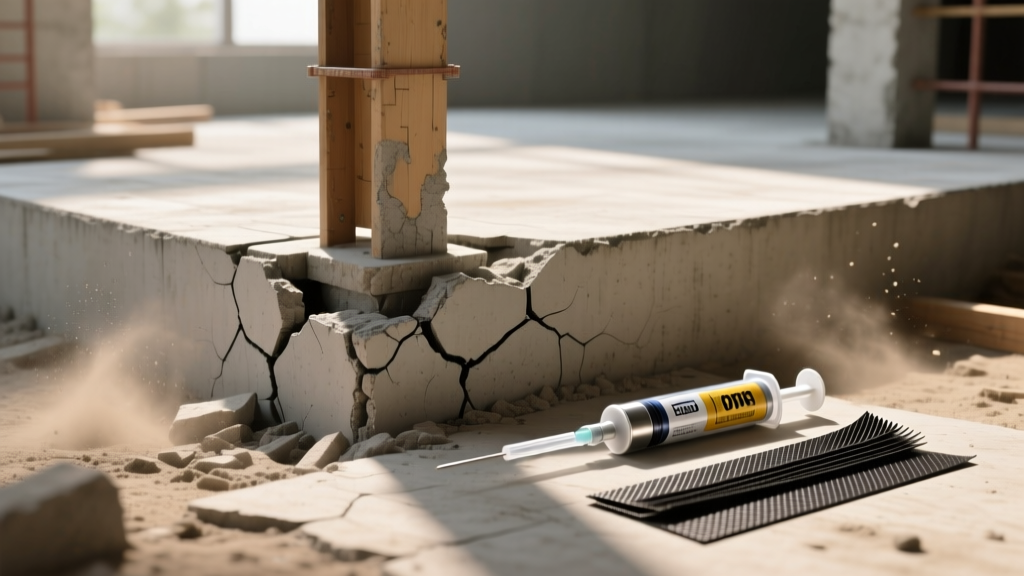
The True Cost of a Cracked Foundation in 2026
A cracked foundation is rarely just a cosmetic defect; it is a structural liability that demands immediate quantification and remediation. Estimating the repair cost requires moving beyond generic square-footage averages and calculating based on crack morphology, structural load, and material engineering. In 2026, the national average for foundation repair sits between $4,500 and $11,000, but severe structural underpinning can easily exceed $35,000. Accurate estimation hinges on matching the specific failure mode to the correct chemical or mechanical intervention.
Before pulling out a calculator, you must classify the fracture. The International Association of Certified Home Inspectors (InterNACHI) categorizes foundation cracks by their directional vector, which directly correlates to the underlying soil mechanics and hydrostatic pressure causing the failure.
Crack Type Diagnostic & Cost Matrix
Use the following matrix to identify your crack type and establish a baseline cost per linear foot (LF) or per unit. These figures reflect 2026 material and labor rates for professional-grade remediation.
| Crack Pattern | Root Cause | Recommended Repair Method | Estimated Cost (2026) |
|---|---|---|---|
| Vertical / Shrinkage | Concrete curing, minor thermal expansion | Structural Epoxy Injection | $8 - $15 per LF |
| Diagonal (One-sided drop) | Differential settlement, soil consolidation | Polyurethane Foam + Underpinning | $1,800 - $2,800 per pier |
| Horizontal (Mid-wall) | Hydrostatic pressure, frost heave, lateral soil load | Carbon Fiber Straps + Exterior Drainage | $450 - $850 per strap |
| Stair-Step (Masonry/Block) | Corner settlement, mortar joint degradation | Epoxy Routing + Helical Tiebacks | $25 - $40 per LF + tieback costs |
Repair Method Quantity Calculators
To build an accurate estimate, you must calculate the exact quantity of materials and labor units required. Below are the technical formulas and material specifications for the three most common remediation systems.
1. Epoxy & Polyurethane Injection Calculator
Injection is used for sealing and structurally bonding non-moving or actively leaking cracks. The material choice depends entirely on moisture presence.
- Structural Epoxy (e.g., Simpson Strong-Tie FX-70): Used for dry, static vertical cracks. Epoxy possesses a tensile strength exceeding 5,000 psi, effectively welding the concrete back together. Calculation: Measure the linear footage of the crack. Standard surface port spacing is 6 to 8 inches apart. For a 10-foot crack, you will need approximately 15 to 20 injection ports and 2-3 standard 600ml dual-cartridge kits.
- Hydrophobic Polyurethane (e.g., Alchemy-Spetec AP Gel 110): Used for actively leaking cracks. This resin reacts with water, expanding up to 20 times its liquid volume to fill voids behind the wall. Calculation: Polyurethane requires deeper drilling and mechanical packers rather than surface ports. Estimate 1 mechanical packer every 8 inches. Material cost is roughly 30% higher than epoxy, pushing the installed price to $15 - $25 per LF.
2. Carbon Fiber Reinforcement Calculator
When horizontal cracks indicate bowing or inward deflection (typically exceeding 1/2 inch of movement), structural epoxy is insufficient. Carbon fiber reinforcement systems (such as Fortress Stabilization) provide a tensile strength of over 100,000 psi, locking the wall in place and preventing further lateral movement.
- Measure the Wall Length: Determine the total linear footage of the bowing wall.
- Determine Strap Spacing: Engineering standards mandate carbon fiber straps be placed every 4 feet on center (OC) for standard residential 8-foot basement walls. If the wall deflection exceeds 1 inch, spacing must be reduced to 2 feet OC.
- Calculate Quantity: Wall Length (ft) ÷ 4 = Number of Straps. (e.g., A 24-foot wall requires 6 straps).
- Apply Cost Multiplier: Professional installation of a commercial-grade carbon fiber strap, including structural epoxy adhesive and top-coat sealing, averages $650 per strap in 2026. Total wall cost: 6 × $650 = $3,900.
3. Helical Pier & Underpinning Calculator
Diagonal cracks and significant differential settlement require transferring the structural load to stable, load-bearing soil strata deep underground. Helical piers (like those manufactured by Chance) are mechanically screwed into the ground until they reach refusal (torque resistance).
- Pier Spacing: Standard residential spacing is 7 feet on center along the settling foundation wall.
- Depth Calculation: Piers must bypass the active soil zone (which expands and contracts with moisture). In most climates, this requires driving piers 15 to 30 feet deep. Each 5-foot helical extension adds approximately $250 to the material cost.
- Total Estimate Formula: (Linear footage of settling wall ÷ 7) = Number of Piers. Multiply by the average installed cost of $2,200 per pier (assuming 20-foot depth). A 35-foot settling wall requires 5 piers, totaling $11,000.
Hidden Variables That Inflate Your Estimate
According to data aggregated by Angi's foundation repair cost guides, homeowners frequently underestimate the ancillary costs associated with site preparation and restoration. When building your final budget, integrate the following variables:
If exterior excavation is required to apply a waterproofing membrane or install exterior French drains alongside the cracked foundation, manual excavation costs $15 to $25 per cubic yard. Heavy machinery access issues (e.g., narrow side yards, retaining walls, or mature landscaping) can trigger a 20% to 40% manual labor surcharge.
- Interior Finish Destruction: Repairing a cracked basement wall from the interior often requires removing drywall, insulation, and baseboards up to 4 feet high. Budget $3.50 to $5.00 per square foot for post-repair drywall restoration and painting.
- Engineering Reports: Most municipalities require a stamped structural engineering report before issuing a permit for helical piering or major carbon fiber installation. Independent structural engineers charge $500 to $1,200 for a site visit and stamped remediation plan.
- Hydrostatic Relief Systems: If horizontal cracking is caused by hydrostatic pressure, repairing the crack without relieving the water pressure guarantees future failure. Installing an interior perimeter drain tile system and sump pump adds $4,000 to $8,000 to the total project cost.
Material Sourcing and Procurement Strategy
For contractors and advanced DIYers sourcing materials directly, bypassing big-box retail is mandatory for structural-grade foundation repair products. Structural epoxies and polyurethane resins have strict shelf lives (typically 12 to 18 months). Procure these directly from authorized masonry distribution networks or specialized geotechnical suppliers to ensure the chemical catalysts have not degraded. Carbon fiber grids must be purchased with the manufacturer's proprietary saturating epoxy; mixing third-party adhesives with engineered carbon fiber voids the structural warranty and compromises the load-transfer mechanics.
Accurate estimation of a cracked foundation requires a disciplined approach to diagnostics, material quantification, and site-specific variables. By applying the calculators and matrices above, you can generate a highly precise, defensible budget that accounts for both the visible fracture and the subterranean forces driving it.