Membrane Basement Waterproofing: Lifespan & Durability Analysis
Analyze the lifespan of membrane basement waterproofing systems. Compare modified bitumen, HDPE, and liquid polyurethane durability and failure modes.
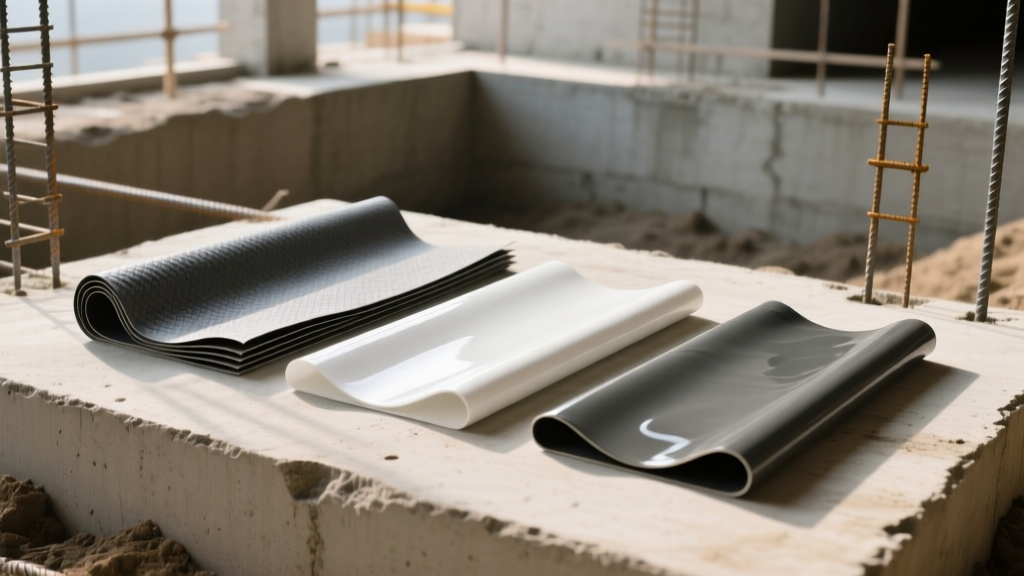
The Reality of Membrane Basement Lifespans
Exterior membrane basement waterproofing is the primary structural defense against hydrostatic pressure and soil-borne moisture. Unlike rudimentary damp-proofing—which relies on thin, brittle asphalt coatings that degrade within a decade—true waterproofing membranes are engineered to bridge structural cracks and resist continuous water head pressure. However, the lifespan of a membrane basement system is not a fixed number; it is a variable dictated by material chemistry, substrate preparation, and backfill timing.
According to data aggregated by the Basement Health Association, properly installed exterior membrane systems on poured concrete foundations typically last between 30 and 50 years. Premature failures (under 10 years) are almost exclusively traced to installation errors rather than material defects.
The International Residential Code (IRC) Chapter 4 mandates that foundation walls retaining earth and enclosing interior spaces below grade must be waterproofed or dampproofed based on the water table level. For high water tables or poorly drained soils, a continuous membrane is required. Understanding the degradation curves of these materials is critical for specifying a system that will outlast the building's mortgage.
Material Matrix: Comparing Membrane Durability
Not all membranes react to subterranean environments identically. Soil pH, microbial activity, and shifting aggregate backfill can compromise weaker materials. Below is a technical comparison of the four primary membrane basement systems used in modern commercial and high-end residential construction.
| Membrane Type | Typical Thickness | Expected Lifespan | Hydrostatic Resistance | Material Cost (per sq ft) |
|---|---|---|---|---|
| Modified Bitumen (Peel-and-Stick) | 60 - 80 mil | 30 - 40 years | High (up to 12 ft head) | $3.50 - $5.00 |
| HDPE (High-Density Polyethylene) | 40 - 80 mil | 50+ years | Very High (20+ ft head) | $5.00 - $7.50 |
| Liquid Polyurethane | 60 mil (wet) | 25 - 35 years | Moderate-High | $4.00 - $6.00 |
| Bentonite / Geotextile Composite | 1/4 inch | 50+ years | Very High (Self-sealing) | $6.00 - $9.00 |
Modified bitumen sheets, such as Cosella-Tremco CCW 705, remain the industry standard due to their self-adhering properties and compliance with ASTM D1970 standards for self-adhering polymer modified bituminous sheet materials. However, HDPE membranes are rapidly gaining market share for deep basement excavations due to their near-total immunity to soil chemicals and root penetration.
The Top 3 Failure Modes (And How to Prevent Them)
When a membrane basement system fails before its engineered lifespan, the root cause is almost always traceable to one of three specific installation variables.
1. Hydrostatic Blistering and Delamination
Peel-and-stick membranes require an aggressive bond to the concrete substrate. If the membrane is applied to 'green' (uncured) concrete, the moisture trapped within the concrete matrix attempts to escape. When hydrostatic pressure pushes against the exterior, this trapped moisture creates localized vapor pockets, resulting in blisters. Over time, these blisters stretch the bitumen beyond its elastic limit, leading to delamination and a direct pathway for water ingress.
- Prevention Protocol: Concrete must cure for a minimum of 7 to 14 days (depending on ambient temperature and mix design) before membrane application. Use a moisture meter to verify the substrate is below 4% moisture content by weight.
2. Substrate Outgassing and Pinholing in Liquid Membranes
Liquid-applied polyurethane membranes are highly susceptible to substrate outgassing. As concrete cures, it releases calcium hydroxide and various gases. If a liquid membrane is troweled or sprayed over an actively outgassing wall, the escaping gases become trapped in the viscous liquid, curing into microscopic pinholes. These pinholes completely compromise the continuous water barrier.
- Prevention Protocol: Apply a breathable, vapor-permeable primer (such as Tremco Vulkem 116) before the primary liquid coat. Alternatively, schedule liquid application during the cooler evening hours when concrete outgassing rates are at their lowest.
3. UV and Thermal Degradation Pre-Backfill
Most modified bitumen and liquid polyurethane membranes are not formulated for prolonged ultraviolet (UV) exposure. Construction delays often leave foundation walls exposed to direct sunlight for months. UV radiation breaks down the polymer chains in the bitumen, causing it to become brittle and lose its crack-bridging elasticity.
- Prevention Protocol: Adhere strictly to manufacturer exposure limits. For example, W.R. Meadows BluSkin requires backfilling or UV protection within 60 days of installation. If delays are anticipated, specify an HDPE membrane, which is inherently UV-stable for up to 12 months.
Installation Variables That Dictate Longevity
The physical application of the membrane requires strict adherence to dimensional tolerances. A membrane is only as durable as its seams and transitions.
Critical Installation Metrics
- Seam Overlaps: Minimum 3-inch overlaps for standard conditions; increase to 6-inch overlaps in areas with high water tables or poor drainage soils.
- Roller Pressure: Peel-and-stick membranes must be pressed with a weighted J-roller applying a minimum of 30 lbs of pressure to ensure the adhesive flows into the concrete's microscopic pores.
- Primer Coverage: Water-based or solvent-based primers must be applied at a rate of 300 to 400 square feet per gallon. Over-application leaves a slippery residue that prevents the membrane adhesive from bonding.
- Cant Strips: A 1-inch x 1-inch asphalt or polyurethane cant strip must be installed at the wall-to-footing cold joint to prevent the membrane from making a sharp 90-degree turn, which causes stress fractures over time.
Cost vs. Lifespan ROI Analysis
Evaluating membrane basement systems requires looking beyond the initial material cost. Excavating a foundation to repair a failed exterior membrane can cost between $15,000 and $40,000, making the initial upsell for a premium membrane highly cost-effective.
| System Tier | Installed Cost (per linear ft) | 50-Year Maintenance | Best Application Scenario |
|---|---|---|---|
| Standard (Modified Bitumen) | $18 - $25 | Moderate (Seam monitoring) | Standard residential, well-drained soils |
| Premium (HDPE / Composite) | $28 - $42 | Negligible | Deep basements, high water tables, expansive clays |
| Liquid Polyurethane | $22 - $30 | Low (Coating inspections) | Complex geometries, numerous pipe penetrations |
Frequently Asked Questions (FAQ)
Can a membrane basement system bridge structural cracks that form after installation?
Yes, but with limitations. High-quality modified bitumen and liquid polyurethane membranes possess elastomeric properties, allowing them to bridge hairline cracks up to 1/16-inch wide. If the foundation experiences differential settling that opens cracks wider than 1/8-inch, the membrane will likely tear at the stress point. For foundations in expansive clay soils prone to significant movement, an uncoupled HDPE membrane or a bentonite composite is required, as these systems do not rely on direct adhesive bonding to bridge gaps.
Does the membrane require a protection board?
Absolutely. A protection board (typically 1/4-inch thick high-impact polyethylene or asphalt-impregnated fiberglass mat) must be installed over the primary membrane before backfilling. The protection board shields the waterproofing layer from abrasive rocks, root intrusion, and the sheer friction of soil compaction during the backfill process. Skipping the protection board reduces the membrane's effective lifespan by up to 40%.
How does soil pH affect membrane degradation?
Highly acidic soils (pH below 5.5) or highly alkaline soils (pH above 8.5) can accelerate the breakdown of standard asphalt-based damp-proofing and lower-grade liquid membranes. Modified bitumen with a thick cross-laminated polyethylene facer, as well as pure HDPE sheets, are chemically inert and will not degrade when exposed to extreme soil pH levels or soil-borne hydrocarbons.