How to Clean CertainTeed Roof Shingles Without Voiding the Warranty
Learn exact chemical ratios, diagnostic steps, and ARMA-approved methods to clean and maintain CertainTeed roof shingles without voiding warranties.
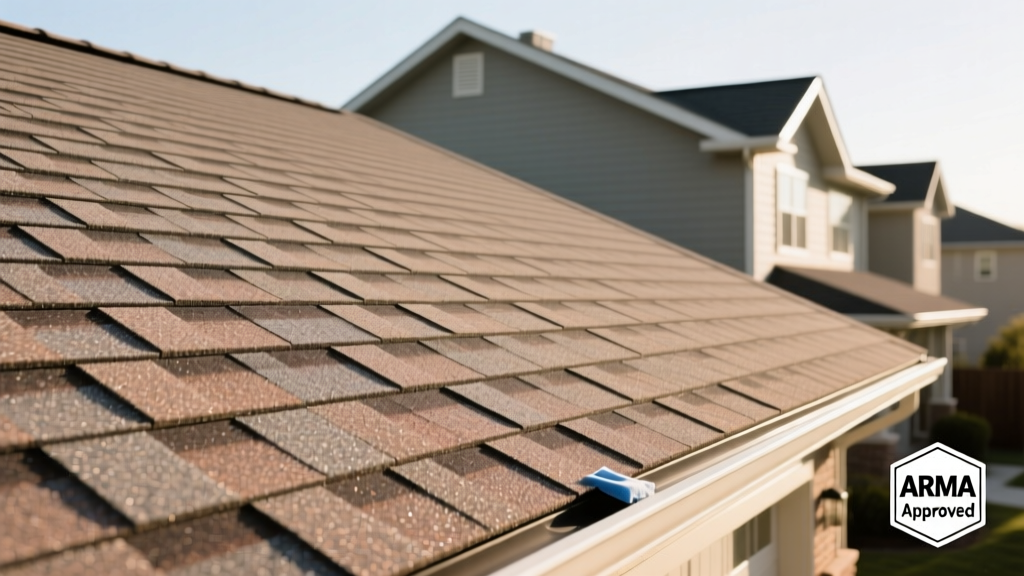
The Anatomy of CertainTeed Shingle Vulnerabilities
CertainTeed manufactures some of the most resilient asphalt shingles in the industry, utilizing advanced matting and granule technology across lines like Landmark, Presidential, and Grand Manor. However, the physical properties that make these shingles waterproof also make them susceptible to specific biological and environmental degradation if maintained improperly. The primary vulnerability lies in the asphalt-saturated fiberglass mat, which can become brittle under UV exposure if the protective ceramic-coated granules are dislodged.
Many CertainTeed shingles feature StreakFighter technology, which incorporates copper-lined granules designed to inhibit the growth of Gloeocapsa magma (blue-green algae). While highly effective, this copper depletion zone can be compromised by excessive debris accumulation, which traps moisture and creates a localized microclimate where algae and moss can bypass the copper barrier. Understanding these material science realities is the first step in executing a maintenance playbook that preserves both the roof's integrity and the manufacturer's warranty.
Diagnostic Matrix: Algae Streaks vs. Granule Loss vs. Moss
Before applying any chemical or mechanical treatment, you must accurately diagnose the surface condition. Misidentifying granule loss as algae, or treating moss like simple dirt, will lead to catastrophic mat exposure. Use the following diagnostic framework to identify the exact issue on your CertainTeed roof.
| Symptom | Visual Characteristics | Root Cause | Required Action |
|---|---|---|---|
| Black Algae Streaks | Vertical dark brown/black streaks running down the roof slope, often originating from a single point. | Gloeocapsa magma bacteria feeding on limestone filler in the shingle. | Soft-wash with sodium hypochlorite solution. |
| Granule Loss | Bald spots exposing the black asphalt mat; excessive granules found in gutters or downspouts. | Normal aging, mechanical abrasion, or high-pressure washing damage. | Inspect mat integrity; replace compromised shingles. Do not scrub. |
| Moss Growth | Thick, spongy green patches, typically on north-facing slopes or under tree canopies. | Trapped moisture and organic debris allowing bryophytes to root under shingle edges. | Chemical treatment followed by gentle manual removal and zinc strip installation. |
| Lichen | Crusty, gray-green, leaf-like structures tightly bonded to the granule surface. | Symbiotic fungus/algae organism thriving in high-humidity environments. | Chemical soft-wash; allow to dry and flake off naturally over weeks. |
The ARMA-Approved Cleaning Playbook for CertainTeed Shingles
The Asphalt Roofing Manufacturers Association (ARMA) and CertainTeed explicitly prohibit the use of pressure washers on asphalt shingles. High-pressure water streams easily exceed 1,500 PSI, which instantly strips the protective ceramic granules and forces water under the shingle tabs, leading to interior leaks and immediate warranty voidance. Instead, utilize the following low-pressure soft-wash protocol.
Step 1: Site Preparation and Plant Protection
Sodium hypochlorite is highly phytotoxic. Before mixing your solution, thoroughly saturate all surrounding landscaping, shrubs, and grass with plain water. Cover delicate plants with 4-mil polyethylene sheeting. Ensure gutters are clear of debris so the runoff can flow freely without pooling against the fascia.
Step 2: Mixing the Cleaning Solution
Do not use off-the-shelf 'roof wash' concentrates that contain unverified solvents, as these can degrade the asphalt binder. Mix the following ARMA-recommended solution in a 5-gallon pump sprayer:
- 1 Gallon of liquid chlorine bleach (sodium hypochlorite, 5% to 6% concentration).
- 1 Gallon of clean water.
- 1/4 Cup of trisodium phosphate (TSP) or a dedicated, asphalt-safe non-ionic surfactant to help the solution cling to the roof pitch without rapid runoff.
Step 3: Application and Dwell Time
Apply the solution using a low-pressure pump sprayer, working from the ridge down to the eaves to prevent streaking. Apply enough solution to thoroughly wet the shingles, but avoid heavy puddling. Allow the solution to dwell for 15 to 20 minutes. You will see the black algae streaks turn from dark brown to a pale yellow or white. Do not let the solution dry on the shingles. If the roof begins to dry, mist it lightly with the solution.
Step 4: Low-Pressure Rinsing
Rinse the roof using a standard garden hose with a wide-fan spray nozzle. Never use a jet nozzle. Rinse from the ridge downward, ensuring all chemical residue is flushed into the gutters and away from the foundation.
Warranty Warning: Actions That Void CertainTeed Coverage
CertainTeed's limited warranty is comprehensive but strictly conditional. According to CertainTeed's residential roofing guidelines, the following actions will immediately void your material and workmanship warranty:
- Using a pressure washer or any mechanical scrubbing device (stiff-bristle brushes).
- Walking on the roof when ambient temperatures exceed 85°F (29°C), which causes the asphalt mat to soften and crease underfoot.
- Applying unapproved chemical solvents, paint thinners, or petroleum-based cleaners.
- Installing satellite dishes, solar mounts, or snow guards without using approved flashing kits and sealants.
Moss and Lichen Eradication Protocol
While the soft-wash method kills algae instantly, moss and lichen have physical root structures (rhizoids) that anchor them to the granules. Attempting to scrub live moss off a CertainTeed shingle will rip the granules out with it.
The Eradication Sequence:
- Kill: Apply the sodium hypochlorite solution as outlined above. Allow it to dwell and rinse.
- Desiccate: Wait 2 to 4 weeks. The dead moss will turn brown, dry out, and lose its grip on the shingle surface.
- Dislodge: Use a soft-bristle push broom or a leaf blower to gently sweep the desiccated moss off the roof. Always sweep downward, parallel to the shingle tabs, never upward against the seams.
- Prevent: Install 99.9% pure zinc or copper strips (typically 2.5 inches wide) just below the ridge cap. As rain washes over the metal, it deposits microscopic ions down the roof slope, creating a permanent biological barrier that prevents future moss and algae colonization.
Bi-Annual Preventative Maintenance Checklist
Relying solely on reactive cleaning shortens the lifespan of your roof. Implement this bi-annual checklist (spring and late autumn) to maintain optimal performance and ensure compliance with warranty maintenance requirements.
- Canopy Clearance: Trim all overhanging tree branches to maintain a minimum 6-foot clearance from the roof surface. This reduces organic debris accumulation and increases UV exposure, which naturally inhibits moss growth.
- Gutter and Valley Flushing: Remove all pine needles and leaf litter from valleys and gutters. Trapped debris in valleys holds moisture against the shingle edges, accelerating granule loss and wood deck rot.
- Pipe Boot and Flashing Inspection:Inspect all neoprene plumbing vent boots for UV cracking. CertainTeed shingles may last 30+ years, but standard neoprene boots typically fail in 10 to 12 years. Replace cracked boots with lead-jacketed or heavy-duty silicone alternatives.
- Attic Ventilation Verification: Ensure soffit vents are unblocked by insulation. Proper intake ventilation prevents heat buildup that can bake the underside of the shingles, causing them to blister and curl prematurely.
For further technical specifications on asphalt shingle maintenance and biological growth prevention, consult the Asphalt Roofing Manufacturers Association (ARMA) technical bulletins. Adhering strictly to these material-specific protocols ensures your CertainTeed roof achieves its maximum engineered lifespan while remaining fully protected under the manufacturer's warranty.